APC
apcpet.com/la?About
Our history dates back more than 35 years, when our scientists discovered the powerful role that functional plasma-derived proteins play in maintaining the immune function of animals.
Since then, we have obtained extraordinary, consistent and effective results.
Spray-dried plasma (SDP) and red blood cell products are used in animal feed and other industries to add value through their unique properties that positively impact billions of animals each year.
Products

Company News
 Other microingredients
4+ MIN
09/03/2026
Gut Helath: What Does Science Say About the Microbiome and the Role of Plasma in Pets?
Today, the intestine is recognized as a key axis connecting digestion, immunity, and overall well-being. As a result, the microbiome has become one of the main drivers of innovation in animal nutrition.
At APC, this focus on gut health is not a recent trend but rather the natural evolution of decades of research in nutrition. The company specializes in functional ingredients for animal nutrition and began its work with plasma-derived functional proteins in livestock production, where the link between gut integrity, immunity, and performance is well documented. Over time, this expertise has been transferred to the pet food sector, where the microbiome is now understood as a crucial factor in improving quality of life for dogs and cats, even in apparently healthy animals.
The intestinal microbiome plays a key role in digestive, immune, and metabolic health, directly impacting overall well-being.
The Gut: A Key Ecosystem for Whole-Body Health
The gut is not just a digestive organ. It is a complex ecosystem where nutrients, microbiota, and the immune system interact continuously. A significant portion of the body's immune defenses is located in the intestine. Therefore, any imbalance in the microbiota can have effects that extend well beyond digestion.
Disruptions in this ecosystem are associated with recurring digestive disorders, poor stool quality, or food intolerances. Moreover, they are linked to inflammatory processes that may affect skin condition, immune responsiveness, and overall metabolism. Increasing scientific evidence confirms that maintaining a balanced microbiome is essential for long-term systemic stability.
Plasma: A Functional Protein with Benefits Beyond Nutrition
Within this context, plasma has established itself as a high-value functional ingredient. It is a nutrient-dense protein obtained from surplus blood collected at facilities approved for human consumption. Through a carefully controlled spray dried process, its functional components are preserved.
Unlike many conventional protein sources used in pet nutrition, plasma provides not only amino acids but also bioactive compounds such as immunoglobulins, growth factors, and functional peptides. Many of these components are similar to those found in milk or colostrum. They act directly at the intestinal level, supporting digestion and nutrient absorption while helping reduce metabolic stress and inflammation.
Research shows that plasma promotes a more beneficial digestive and fermentation pattern in the gut. Diets containing plasma lead to increased production of short-chain fatty acids, key compounds for intestinal health. At the same time, they reduce digestive by-products associated with intestinal stress.
Supporting the Microbiome Without Compromising Diversity
In addition, plasma modulates the microbiota gradually. It promotes bacterial populations associated with improved intestinal health while maintaining microbial diversity, which is essential for ecosystem stability.
Importantly, this effect goes beyond digestion. The intestine acts as a systemic regulator of the body. By improving intestinal integrity and supporting mucosal immunity, the overall inflammatory load can be reduced. Consequently, improved gut health may positively influence other tissues and systems, including those involved in chronic inflammatory processes such as joints.
Scientific Evidence Applied to Pet Food
To generate specific scientific evidence for the pet food sector, APC recently supported a study focused on healthy adult dogs fed extruded diets, the most common format in dry pet food.
The study, conducted in collaboration with the University of Illinois, was published in the Journal of Animal Science under the title:
Spray dried plasma promotes intestinal health and modulates fecal microbiota and metabolites in healthy adult dogs.
This approach is particularly relevant because it evaluates plasma not as a corrective ingredient but as a functional component that supports balance and optimal physiological function under normal conditions.
The conclusions are clear. Plasma inclusion:
Promotes more efficient digestion
Increases beneficial intestinal metabolites
Reduces digestive by-products associated with intestinal stress
Helps balance the microbiota by promoting beneficial bacteria
Strengthens natural intestinal defenses without inducing inflammation
Improves overall diet digestibility, with effects directly related to inclusion level
In practice, the first visible improvements often appear in stool quality and regularity. Over time, microbiome balance contributes to greater digestive resilience and more stable immune responses.
Rather than positioning this approach strictly in preventive clinical terms, it aligns with functional nutrition. The goal is to maintain physiological balance and reduce the risk of future imbalances.
The Future of Functional Pet Nutrition
This nutritional strategy is particularly relevant for pets with sensitive digestion, senior animals, highly active dogs, or those exposed to stress. However, the observed benefits in healthy adult dogs suggest that plasma can also form part of a long-term nutritional strategy.
Pet nutrition is evolving. It is no longer viewed solely as nutrient supply but as a tool to support specific physiological functions.
Looking ahead, nutrition will become increasingly personalized, evidence-based, and driven by functional ingredients acting on the gut–microbiome–immunity axis. Ingredients such as plasma, with demonstrated functionality, are redefining the future of animal nutrition.
Innovation will not come only from new recipes. It will come from understanding how ingredients interact with animal physiology to deliver measurable, sustainable benefits over time.
Source: APC
 Other microingredients
2+ MIN
10/02/2026
Plasma: The Functional, Natural Miracle Ingredient for Dogs and Cats!
When buying pet food, treats, and supplements, modern pet parents don't just look for quality ingredients or complete and balanced nutrition. They also place emphasis on things like functional ingredients with health benefits. Plasma is a clean, natural, and highly digestible nutrient source that stands out as a functional ingredient because it benefits health and helps the planet. Learn more about plasma, how it supports whole-body health, and great products that feature it.
Plasma Supports Human Health and Pet Health
Plasma is the liquid component of blood. So when you donate blood, you're giving plasma, a life-saving gift used around the world every day to help people survive and thrive. And just like plasma supports human health, so too can it play a meaningful role in pet health and nutrition. Plasma sourced from pigs and cattle is collected and dried, preserving the amino acids, nutrients, bioactive compounds, and highly digestible proteins. It's a tasty, functional ingredient that can be added to pet foods, treats, and supplements to support vitality, well-being, and everyday health.
Adding Plasma to a Dog's or Cat's Diet Is Good for the Whole Body
Plasma about 70% to 80% protein, so you can see right away one of the main benefits for dogs and cats. Four-legged family members rely on protein-rich diets to build and repair tissues, produce enzymes and hormones, and support overall growth, function, and energy. Beyond that, plasma also contains a myriad of other beneficial compounds, including:
Amino acids
Electrolytes
Minerals
Antibodies
Immunoglobulins
Bioactive peptides
Growth factors
Together, these compounds have a systemic effect, supporting the immune system and its ability to respond to stress and inflammation. They also help with digestive health, the gut microbiome, nutrient absorption, muscle development, skin and coat health, and energy levels.
What's more, plasma is a valuable byproduct of meat processing. Reclaiming plasma from the meat industry reduces waste, minimizes environmental impacts, and supports a more efficient food system.
Easy Ways to Add Plasma to Your Dog's or Cat's Diet
Plasma is a powerful, natural, sustainable ingredient that supports canine and feline health at every life stage. It delivers essential nutrients, helps manage stress and inflammation, supports immunity, and promotes overall vitality, keeping dogs and cats active, resilient, and thriving. When you add food, treats, and supplements with plasma to their diet, you're supporting whole-body health for them and helping the planet too.
Visit APC to learn more about plasma for pet health!
Source: Animal Wellness
 Other microingredients
2+ MIN
04/02/2026
Baked Biscuits Utilizing Spray Dried Plasma Products
Background Information
Spray dried plasma (SDP) or Cravings (hydrolyzed plasma) are high-protein ingredients utilized in pet food for functional texture properties, enhancing palatability, or supporting overall health.
Study Objective
The study objective was to evaluate how SDP or Cravings inclusion impacts texture and palatability of baked biscuits utilizing wheat gluten.
Experimental Procedure
The study evaluated palatability and texture of baked biscuits utilizing 1% SDP or Cravings to replace wheat gluten in control formula. Palatability testing was conducted with 20 dogs for a 2-day test. Different ingredient sources and processing conditions were used in each study accounting for differences in texture of final product.
Baked biscuits were made by preparing the dough utilizing a KitchenAid mixer equipped with a dough hook, rolling out by hand to a set depth and size, and then baking to moisture level of less than 10%. Three replicate batches of each formula were completed for analysis per study.
Texture was measured on a TA.XT Plus utilizing an adjustable bridge with a rounded-end knife probe for a 3-point bend. Baked biscuits of 2 cm × 7 cm were placed over the two-bridge span spaced 2.5 cm apart to measure maximum force to break (hardness), fracturability, and stiffness to determine texture. Five baked biscuits per treatment were analyzed for texture from each replicate batch. Digital calipers were utilized to measure biscuit dimensions and volume.
Proof of Concept: Test Formula
Results: Texture
Results: Palatability
Summary
SDP and Cravings can be incorporated into baked biscuits as a processing aide to impact texture depending on ingredient matrix and target, while SDP also improves palatability. Overall, both SDP and Cravings can be an alternative to vital wheat gluten to maintain or enhance product quality.
By Joy Campbell and Angela Smith - APC
Source: All Pet Food Magazine
 Other microingredients
2+ MIN
15/12/2025
Groundbreaking Research Shows Plasma Supports a Healthier Gut Microbiome in Dogs
APC is pleased to announce the publication of a peer-reviewed study conducted with the University of Illinois Department of Animal Sciences evaluating how plasma included in extruded kibble supports canine gut health and key immune indicators. Gut health is widely recognized as a driver of whole-body wellness through pathways like the gut-brain axis, and this new paper adds to a growing body of evidence on plasma's role in supporting that system. Results show meaningful shifts in fecal metabolite profiles suggesting a beneficial microbial impact and a positive effect on gut health.
Previous peer-reviewed work in mice has reported reductions in systemic inflammation, neuroprotective properties, and beneficial shifts in intestinal microbiota with plasma. Studies in other species have shown systemic improvements, including patterns that scale with plasma inclusion level. The University of Illinois canine study builds on this foundation to examine microbiome composition and inflammation-related measures under controlled conditions.
'Across species we continue to see a consistent, positive effect on gut health,' said Joy Campbell, Senior Director of Global Pet Food Technical Service at APC. 'In this canine study we observed linear effects tied to inclusion level that demonstrate commercial potential in pet foods, functional treats and supplements. We're excited to see such positive and impactful results from this in species study.'
Research highlights include:
Study design and controls that isolate plasma's contribution to gut health
Exploration of the linear effects of plasma in canine diets
Nutrient digestibility, fecal metabolites, microbiome and immune biomarker results relevant to canine gut health
The full study, 'Effects of spray-dried plasma on nutrient digestibility, fecal metabolites, microbiota, and immune and inflammatory biomarkers in adult dogs,' published in the Journal of Animal Science is now available at: https://academic.oup.com/jas/article-abstract/doi/10.1093/jas/skaf373/8313524.
For additional information, visit www.apcpet.com.
Fuente: APC
 Other microingredients
3+ MIN
16/10/2025
The Secret Ingredient Transforming Pet Nutrition: Animal Plasma
APC was founded to turn animal blood, mainly from the meat industry, into valuable functional ingredients. Its mission: transform what was once waste into high-value plasma proteins for animal feed. The company now converts blood fractions—plasma and red blood cells—into functional ingredients used in animal nutrition, agriculture, and even human food. This approach relies on traceability, sustainability, and scientific validation.
At APC plants, technicians collect fresh blood from authorized slaughterhouses under strict sanitary standards. They separate plasma and red cells through centrifugation, then stabilize and dry each fraction to preserve its natural properties.
APC EUROPE: INNOVATION ROOTED IN BARCELONA
APC Europe, the company's European subsidiary, grew from Aprocat and is headquartered in Barcelona (Spain).
Animal plasma provides active proteins, immunoglobulins, and bioactive peptides that help balance the microbiota, reduce intestinal inflammation, and support the immune system. In animal diets, these components improve feed intake, reduce antibiotic use, and enhance overall well-being. Red blood cells add digestible protein, improving feed value and color.
ENERGY EFFICIENCY AND RENEWABLE COMMITMENT
Research and Development as a Driver of Progress: How APC Works.
APC's process gives new purpose to co-products that were once discarded. This circular approach reduces waste and closes the loop in the agri-food chain. The Barcelona's plant also runs on renewable energy, applies water recycling, and implements energy-efficient systems. These actions strengthen APC's environmental responsibility.
From the beginning, APC has invested in innovation and circular economy practices. The company uses advanced technology to ensure quality and safety while creating value from local co-products and reducing waste across the food system.
Applications in Pet Food
In pet food, plasma enriches dry and wet diets, treats, and supplements. It promotes better digestion, supports immune health, and improves texture stability. Manufacturers especially value it in functional and premium lines that demand natural, science-backed ingredients.
More than 600 scientific studies support plasma's effectiveness.
SCIENCE AND CLINICAL RESEARCH
Research confirms its benefits for gut health, inflammation control, and microbiota balance in both animals and humans. In senior pets, plasma improves digestion, strengthens immunity, and enhances vitality.
The APC R&D team leads new plasma applications. Its pilot plant in Barcelona replicates industrial processes such as wet, semi-moist, or packaged diets. This facility helps adapt formulations for various sectors—from pet food to human nutrition—and speeds up testing and market readiness.
At Barcelona, APC's researchers and manufacturers work together to test recipes, validate innovations, and create new functional ingredients that add proven value.
GROWING ROLE OF PLASMA IN EUROPE
In the United States, plasma is a well-established ingredient in pet food. In Europe, its use grows rapidly, especially in formulations for intestinal health, palatability, and specific dietary needs of dogs and cats. Looking ahead, APC explores plasma's potential for human health, focusing on digestion and immunity.
A clinical trial conducted with Hospital del Mar in Barcelona studied plasma immunoglobulins in COVID-19 patients, showing promising results and opening new research paths.
40 YEARS OF EXPERTISE AND INNOVATION
APC brings more than 40 years of experience in plasma-based innovation. With over 20 patents and 600 scientific publications, the company exports to 50+ countries. Its continued research strengthens knowledge on how plasma supports gut integrity, immune function, and microbiota balance—a mission that keeps transforming animal nutrition worldwide.
Source: APC
 Other microingredients
1+ MIN
20/05/2025
Technological Benefits of Spray-dried Animal Plasma in Fish-Based Chunks for Canned Pet Food
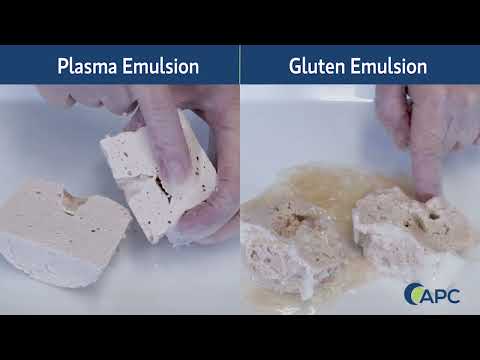
This study evaluated the use of spray-dried animal plasma (SDAP) as a binder in fish by-product recipes for chunks in gravy. The results demonstrate that SDAP inclusion in recipes significantly improved the consistency (hardness), elasticity (springiness), cohesiveness, chewiness, and juiciness of final wet products.
These improvements were observed in a chunk recipe with a 35% content of mixed salmon and tuna by-products (Experiment 1), and another recipe with chunks having a final content of a 4% salmon by-product (Experiment 2). There was a positive linear effect of increased SDAP inclusion in the recipes for most of the technological parameters measured, such as elasticity, flexibility, juiciness, and hardness.
Our findings indicate that SDAP is an excellent nutritional binder that can enhance the final technological properties of wet pet food products using high-quality fish recipes and, potentially, in recipes containing protein-rich fish by-products with low functionality.
Conclusion
Plasma shows a positive, linear effect on elasticity, flexibility, juiciness, and hardness in fish by-product recipes.
EXPERIMENT 1. PLASMA EFFECT ON FISH CHUNKS
2% of SDAP had a greater impact of increasing hardness and juiciness compared to 2% WG.
EXPERIMENT 2. PLASMA EFFECT ON FISH CHUNKS
Increasing levels of SDAP linearly increased hardness and juiciness of the chunks containing salmon by-products.
By Dr. Joy Campbell -Senior Director of Global Pet Food Technical Services - APC
Source: All Pet Food Magazine
 Other microingredients
3+ MIN
29/04/2025
APC Launches BioThrive Microbiome Balance in Europe – A Premium Solution to Support Pets' Gut Health in Dry Kibble, Treats, and Supplements
This pioneering solution, available exclusively for the European market, combines a unique blend of APC's prebiotic plasma-based functional proteins and a specialized probiotic and to deliver comprehensive microbiome support. BioThrive® Microbiome Balance supports overall well-being in pets—while delivering key advantages for manufacturers, such as heat resistance during coating processing, extended shelf life, enhanced palatability and a claim-ready functionality backed by science—ensuring the probiotic remains active in the final product.
'The health of a pet's gut plays a critical role in their overall well-being,' states Dr. Joy Campbell, Sr. Director Global Pet Food Technical Service, APC. 'With BioThrive® Microbiome Balance, we are addressing this need by offering a functional ingredient that not only supports immune health but also ensures probiotic efficacy in the final product—delivering visible improvements in pets' digestive health and overall quality of life.'
Visible Health Benefits of BioThrive® Microbiome Balance for Pets:
1. Strengthens the Gut Barrier: Supports normal intestinal function and immune health by maintaining a balanced microbiome.
2. Stabilizes Beneficial Gut Bacteria: Helps improve digestion and nutrient absorption, promoting optimal gastrointestinal function
3. Improves stool consistency and reduces fecal odor
4. Enhances Skin and Coat Health: Contributes to healthier skin and a shiny coat
Why Choose BioThrive® Microbiome Balance?
1. Heat-resistant: Retains probiotic activity post-processing in the coating phase
2. Enhanced palatability: Increases food acceptance in dogs
3. Shelf-stable solution for dry kibble, treats and supplements: Long-term stability in the finished product
4. Claim-ready: Backed by science, BioThrive® Microbiome Balance supports substantiated marketing claims on gut health and digestibility, thanks to multiple studies that validate its efficacy.
APC's commitment to innovation and quality drives the development of products like BioThrive® Microbiome Balance, providing the pet industry with trusted solutions to enhance their pet recipes. Made with sustainably sourced plasma functional proteins, BioThrive® Microbiome Balance offers a natural and environmentally responsible way to support pet nutrition. Whether addressing specific gut health challenges or supporting overall wellness, BioThrive® Microbiome Balance is the ideal choice for maintaining a happy, healthy pet.
For more information about BioThrive® Microbiome Balance or to request samples, please contact APC at https://apcpet.com/contact or call Gloria Mohedano at +34 93 861 5060 or info@apc-europe.com
To read more about BioThrive® Microbiome Balance, visit our website: https://apcpet.com/biothrive-microbiome-balance
# # #
For more information contact:
Gloria Mohedano, Marketing Coordinator Europe
APC Europe
Gloria.mohedano@apc-europe.com
About APC:
APC is a global leader in the manufacture and sales of blood-derived functional plasma proteins and red blood cell products, impacting billions of animals and plants each year. Founded in 1981, APC's pioneering research into plasma-derived proteins has resulted in over 600 published journal articles and more than a dozen patents. With 500+ employees and 17 manufacturing facilities across eight countries, APC remains committed to supporting animal health and manufacturing efficiency. Focused on sustainability, APC develops high-performance, environmentally friendly solutions to improve animal health, reduce environmental impact, and create a more sustainable future for the global supply chain.
www.APCpet.co
Source: APC
 Sustainability
2+ MIN
21/04/2025
APC Earns Bronze Badge in the EcoVadis Sustainability Rating 2025
The EcoVadis assessment provides a comprehensive view of policies and practices across the categories of Environment, Ethics, Labor & Human Rights, and Sustainable Procurement. With over 185 participating countries, more than 2.8 million companies evaluated, and over 150,000 companies ranked, EcoVadis is a key global benchmark for corporate sustainability performance. In 2025, APC do Brasil stood out in the Environment category, thanks to its commitment to sustainability policies aimed at reducing emissions, optimizing resource use, and contributing to a more sustainable planet.
'This achievement and recognition demonstrates our commitment to sustainability in the global animal nutrition industry. We continue to move forward with our ongoing efforts to reduce the environmental impact of our operations around the world', says Dave Dirks, Chief Operating Officer of APC.
Supplier Leadership on Climate Transition (Supplier LOCT) Program
As part of its sustainability initiatives, APC also announces its achievement of Scope 1, 2, and 3 badges from the Supplier Leadership on Climate Transition (Supplier LOCT) program for greenhouse gas emissions management. The Supplier LOCT program is a global initiative that supports suppliers in reducing greenhouse gas emissions and developing science-based targets for a more sustainable future.
The Supplier LOCT program provides resources and expertise to help suppliers measure their greenhouse gas emissions, set reduction targets, and implement effective strategies. Through this initiative, APC aims to enhance its ability to manage and report its carbon footprint across Scopes 1, 2, and 3, promoting a sustainable future for its operations and supply chain.
'Joining the Supplier LOCT Program is a natural extension of our commitment to sustainability. As a company that prioritizes environmental responsibility, we are excited to collaborate with other industry leaders to reduce emissions, optimize resource use, and contribute to a healthier planet. Our participation will allow us to take concrete actions to further advance our sustainability goals' says Dave Dirks, Chief Operating Officer of APC.
APC is also committed to promoting sustainability throughout its supply chain by integrating sustainable sourcing and production practices, as well as product and operations management. The company continues to innovate and reduce its environmental footprint while delivering high-quality functional protein ingredients derived from blood to improve animal health and nutrition. Achieving Scope 1, 2, and 3 certifications reflects APC's leadership in environmental management and its commitment to building a sustainable future for the animal nutrition industry.
For more information about APC's sustainability efforts, visit: https://apcproteins.com/br/sustentabilidade
For more information on EcoVadis, visit: https://ecovadis.com/pt/
For more information on the Supplier LOCT program, visit: https://supplierloct.com
Source: APC
 Other microingredients
2+ MIN
11/04/2025
Driving Innovation in Pet Nutrition: APCs Webinar Highlights the Role of Plasma Proteins
On April 2, 2025, APC hosted a webinar titled Enhancing Pet Health & Food with Plasma Functional Proteins, presented by Dr. Ricardo Souza Vasconcellos. The session attracted 62 participants from the pet food industry, focusing on the innovative use of plasma functional proteins to improve pet food formulations. Dr. Vasconcellos, Associate Professor at the State University of Maringá, discussed the multifaceted benefits of incorporating plasma functional proteins into pet food. He highlighted how these proteins can enhance product quality by improving texture, water retention, and durability in both wet and extruded pet foods. Additionally, he emphasized their role in boosting palatability and digestibility, ensuring pets find the products appealing. Beyond these advantages, plasma functional proteins offer significant whole body health benefits, including immune support, better gut health, and improved cognitive function. The webinar underscored the evolving nature of the pet food industry and the importance of adopting innovative solutions to stay competitive. Plasma functional proteins are emerging as a game-changing ingredient, offering technological versatility suitable for various product types, such as loaf, pâté, chunks, gravies, and lickable treats. Their nutritional superiority, packed with essential amino acids and high digestibility, coupled with health-enhancing properties like immune support and cognitive benefits, position them as a valuable addition to pet food formulations. For those who missed the live session, APC offers access to this and other on-demand webinars, providing pet food professionals with valuable insights into enhancing product quality and nutritional value. CLICK HERE! Source: All Pet Food
 Other microingredients
2+ MIN
03/12/2024
Spray-dried plasma included in the formulation allows for higher meat inclusion in diets
Several initial tests were completed to prove the concept. The dry blend feed rate was established, and adjustments in fresh meat and SDP feed rates to the dry blend feed rate were evaluated initially with a twin-screw extruder. Limits were determined by the extruder inability to continue the production of kibble. Feed rate ranges from 2.5 to 20% SDP and 25-50% fresh meat were evaluated. With initial concept testing, SDP feed rates from 2.5 to 20% allowed for increased fresh meat feed rates to 45-50% depending on the feed rate of SDP and formulation type. Follow-up evaluation tests were completed formulating SDP into the dry blend with the least cost formulation. These formulas were evaluated on both single and twin-screw extruders. Targets of 2.5 and 5.0% SDP in the final kibble were formulated into the dry blend in both grain-free and grain formulas. Ranges of meat feed rates from 25 to 45% were again evaluated. Overall, the addition of plasma in the dry blend formula allows formulators to increase meat levels while improving kibble durability and palatability, all while increasing meat inclusion levels. REVIEWING KEY RESULTS INCLUSION RATES & DURABILITY / SINGLE SCREW EXTRUSION WITH GRAIN-FREE FORMULA 35% MEAT CONTROL VS. 2.5% AP 920/35% MEAT CONCLUSIONS • Plasma included in the formulation allows higher meat inclusion in diets. • Cook and Durability are maintained or improved. • Palatability was improved in both cat and dog kibbles. By: Dr. Joy Campbell, Senior Director of Global Pet Food Technical Service, APC Source: All Pet Food Magazine
 Extrusion
2+ MIN
23/10/2024
New research brief: Dental stick extrusion utilizing spray dried plasma (SDP)
Study objetive The study objective was to evaluate how SDP inclusion with other ingredients impacts texture of extruded dental formulas. Experimental procedure Three formulas were developed utilizing SDP to replace wheat starch (WS) or Arabic gum in the control formula. The formulas were: Control: WS and gum; SDP1: SDP and WS replacing gum; and SDP2: SDP replacing WS and gum. Dental sticks were made at the Extru-Tech technology testing center using a 525 single screw extruder with the product densification unit (PDU) removed and replaced with a mid-barrel valve and 3 cooling heads to cause densification. The sticks were manufactured as solid square sticks. Generally, a single screw with a PDU, or a traditional parallel-shaft twin screw is used to manufacture dental sticks. However, the equipment alterations used worked like a single screw with a PDU; thus, it would be expected that the results would translate to a traditional single screw configuration. Glycerin at 12% (% to dry feed rate) and chicken fat were added to the pre-conditioner at set rates to optimize expansion and product quality. Processing conditions were monitored and adjusted on the various formulations during production to optimize extrusion. Texture was measured on a TA.XT Plus utilizing an adjustable bridge with a rounded-end knife probe for a 3-point bend. Dental sticks of 8 cm in length were placed over the two bridge spans spaced 5 cm apart to measure maximum force (hardness) and work to peak force (work to break) to determine texture parameters. Ten dental sticks per treatment were analyzed. Treatments Dental stick run conditions Results and discussion Summary In conclusion, SDP can be incorporated into dental stick formulas and utilized as a processing aide. Overall, depending on target hardness and ingredient matrix, SDP can be an alternative to various ingredients to maintain or improve product quality. Source: APC
 Ingredients
6+ MIN
21/05/2024
Spray-dried plasma: Nutritional value and its effects in pet food processing (Part 2 and 3)
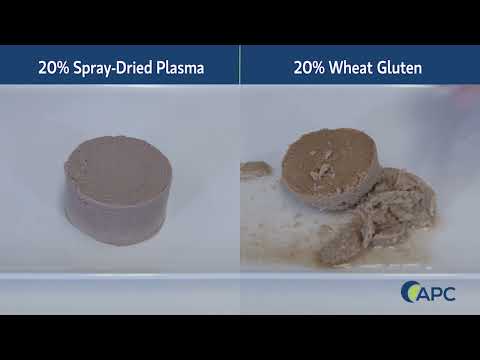
The high protein content of SDAP is also accompanied by an adequate composition of essential amino acids. For dogs, the most limiting amino acid in SDAP is methionine, like other animal ingredients. As the graphic in Table 1 shows, SDAP is high in protein and has an adequate amino acid score (EAA). The EAA is calculated by the concentration of a particular essential amino acid within the protein of the ingredient and divided by the concentration of the same amino acid relative to the protein recommendation for the species. This is a measure to identify the relative concentration of each amino acid in the protein source to classify it as limiting or not in the ingredient or diet. Values above 1.0 for the amino acid score indicate that the amino acid is in adequate concentration in the protein source. Table 1 shows the amino acid composition of some commonly used dry feed ingredients, with the EAAs of the main limiting amino acids in each. Table 1: Amino acid composition of protein sources used in dog and cat foods. FEDIAF - Table of nutritional recommendations for adult dogs and cats in maintenance; SDAP – spray dried plasma; PM – Poultry Meal; MBM – Meat and Bone Meal; EP – Egg Powder; SB – Soy Bean; SPC – Soy Protein Concentrate; CG – Corn Gluten; WG – Wheat Gluten. Due to the spray-dry processing, plasma maintains its high solubility, which positively affects its digestibility characteristics and processing effects. The digestibility coefficients of this ingredient for dogs and cats have not yet been determined, but its effects when included in pet food on dietary digestibility have been demonstrated. Quigley et al. (2004) conducted 3 experiments in dogs, with the inclusion of up to 3% of SDAP in the animals' diets, and compared with a negative control treatment. These authors found consistent results in increased apparent dry matter (DM) digestibility in all trials and increased crude protein digestibility in two studies. Similar results were found by Rodriguéz et al. (2016) using wet cat diets containing 3% SDAP or 3% wheat gluten (WG) as binders. These authors found increased digestibility of DM in animals that consumed the diet with SDAP. Recently, we also included 1% or 2% SDAP in dog diets, and its effects on digestibility coefficients were determined. As shown in Figure 1, there was a gradual increase in the digestibility of organic matter and crude protein as the inclusion of SDAP increased. Figure 1: Digestibility coefficients of organic matter and Crude Protein in dogs fed diets containing 1% or 2% Spray-dried Animal Plasma (SDAP). The protein portion of plasma, which corresponds to 80% of the ingredient is mainly composed of albumin, immunoglobulin G (IgG), and coagulation proteins (Aldrich, 2012), which are preserved by the spray-drying process while maintaining their solubility (Patel et al., 2009). Due to this, SDAP has important functional properties in wet food processing in the form of pâté or chunks in sauces as an emulsifying and binding agent (Aldrich, 2012), playing a similar role to hydrocolloids. Hydrocolloids represent a diverse group of long-chain polymers that form gels by thickening, emulsifying, coating, and stabilizing food components (Li and Nie, 2016). Although SDAP is not classified as a hydrocolloid, it has very similar properties and is widely used in wet food for this purpose. In Brazil, many wet food products contain SDAP in the composition, associated or not with other agents such as xanthan gum, guar gum, carrageenan gum, modified starch, wheat gluten, soy protein, and whey protein, which have similar functionalities in the process. Wet food is mainly formulated with by-products from the meat industry, with high protein and lipid content and high moisture content (70-85%). To avoid phase separation and promote better texturization and homogenization, gelling and emulsifying agents are used (Dainton et al., 2021). In a study comparing the technological properties of binders commonly used in wet food in the form of chunks in sauce or loaf, Polo et al. (2006) found that the inclusion of SDAP at concentrations of 1.5% and 2.5%, respectively, increased the breaking strength and reduced water loss relative to wheat gluten. In another study by these same authors (Polo et al., 2013), the inclusion of 2.0% SDAP was compared with 2%, 4%, or 6% of wheat gluten, and similar results were verified, with 2.5 times increase in the food's breaking strength and an improvement in juiciness due to an increase in the absorption of water from the sauce in contact with the food, of approximately 20%. Due to its high-water retention capacity, when included in high concentration in the diet, the SDAP gives hardness to the pâté, as can be seen in the Figure below, when compared to WG at the same concentration. Figure 2: Photo of pâté produced with SDAP (left) or Wheat Gluten (right), at the same inclusion (Polo et al., 2013). These properties, such as increased digestibility, especially of DM and CP, contribute to the reduction of excreted fecal volume and, when added to its emulsifying properties and as a binder, make SDAP a potential replacement ingredient for hydrocolloids, which have been associated with negative effects on fecal digestibility and quality (Craig, 21; Harper and Siever-Kelly, 1997; Karr-Lilienthal et. al, 2002) as well as inducing intestinal inflammation and gastric ulcerations, which have been described in rats, mice, rabbits, and guinea pigs ingesting hydrocolloids such as carrageenan gum or carboxymethyl cellulose (Martino et al., 2017; Wu et al., 2017). Conclusion Nowadays, the SDAP has been widely used in wet food due to its emulsifying, binding, and texturizing properties, with the objective of improving the presentation of food and adding to the nutritional composition, different from the additives commonly used for this purpose. Additionally, in dry food, this ingredient has demonstrated that, even at low inclusions in the formulations, it promotes significant increases in diet digestibility. In addition to the properties mentioned above, SDAP has some functional properties, especially prebiotic and immunomodulatory effects, which will be discussed in the next edition. By: Ricardo Souza Vasconcellos, Lucas Bem Fiuza Henriquéz, Patrick Lourenço dos Santos. Source: All Pet Food Magazine. References Aldrich, G. Plasma thermoplastic gel with pet health benefits. Accessado em: https://www.petfoodindustry.com/articles/4545-plasma-thermoplastic-gel-with-pet-health-benefits. (December-21-2012) Craig, J.M. Additives in pet food: are they safe? J Small Animal Practice 2021, 62, 8, 624–635. Dainton, A.N., Dogan, H., Aldrich, C.G. The effects of select hydrocolloids on the processing of pâté‐style canned pet food. Foods 2021, 10, 10. FEDIAF – The European Pet food Industry Federation. Nutritional Guidelines for complete and complementary foods for dogs and cats. FEDIAF press, Bruxeles, Belgium, 2017, p.49. Harper, E. J.; Siever-Kelly, C. The effect of fibre on nutrient availability in cats of different ages. In: Recent Advances in Animal Nutrition in Australia. Eds J. L. Corbett, M. Choct, J. V. Nolan and J. B. Rowe. University of New England, Armidale. 1997, p.110-116. Karr-Lilienthal, L.K.; Merchen, N.R.; Grieshop, C.M.; Smeets-Peeters, M.J.; Fahey, G.C. Selected gelling agents in canned dog food affect nutrient digestibilities and fecal characteristics of ileal cannulated dogs. Arch. Tierernahr. 2002, 56, 141–153. Li, J.M., Nie, S.P. The functional and nutritional aspects of hydrocolloids in foods. Food Hydrocolloids 2016, 53, 46–61. Martino, J. V., Van Limbergen, J. & Cahill, L. E. The role of carrageenan and carboxymethylcellulose in the development of intestinal inflammation. Frontiers in Pediatrics. 2017, 5, 96. Patel, R.P., Patel, M.P., Suthar, A.M. Spray drying technology: an overview. Indian J Sci Technol 2009, 2, 10. Polo, J., Rodríguez, C. Improving the juiciness of pet food chunks and pouches with plasma. Petfood Industry. 2013. October, 36-40. Polo, J., Rodríguez, C., Saborido, N., Ródenas, J. Functional properties of spray-dried animal plasma in canned pet food. Anim Feed Sci Tech 2005, 122 ,3–4, 331–343. Quigley, J.D., Campbell, J.M., Polo, J., Russell, L.E. Effects of spray-dried animal plasma on intake and apparent digestibility in dogs. J Anim Sci 2004, 82,1685-1692. Rodríguez, C., Saborido, N., Ródenas, J., Polo, J. Effects of spray-dried animal plasma on food intake and apparent nutrient digestibility by cats when added to a wet pet food recipe. Anim Feed Sci Tech 2016, 216, 243–250. Wu, Y., Pan, L., Tian, Q., Piao, X. Comparative digestibility of energy and ileal amino acids in yeast extract and spray-dried porcine plasma fed to pigs. Archives of Anim Nutr 2018, 72, 1, 76–84.
Ingredients
6+ MIN
02/02/2024
Spray dried plasma in pet food: The multiple functions of a unique ingredient
The connection between human and pet food production is very important to optimize the use of by-products and minimize environmental impacts. Practically all by-products generated from the processing of meat for human consumption are properly used in the production of rendered animal protein ingredients and other applications in various industrial areas, thereby strengthening the application of a circular economy. Despite its relevance, advancements in the qualitative aspects of ingredients for use in pet food are needed because the quality is still very variable. Furthermore, the development of high nutritional standards for the food segment, such as food safety, high nutritional quality, and the use of ingredients that have functional properties have been a major challenge for the pet food sector today. In this respect, fresh ingredients, enzymatically hydrolyzed and dehydrated by more refined processes, such as lyophilization or spray drying have shown a growing increase in their use in formulations by the Pet Food industry. Image 1: Estimated excretion of dry matter (DM) and crude protein (CP) for each kilogram of ingredient ingested, considering the digestibility of the ingredients (Table 1). The spray-drying process consists in drying liquid products in a spray drying tower, equipped with hot air circulation that generates a hot air circulation that, when in contact with micro-drops of the liquid sprayed in the system by the atomizers, makes the dehydration of the product, keeping its solubility characteristics and better preserving the nutrients and functional properties of the ingredient. Some animal by-products are commonly processed this way, such as egg powder, plasma, hydrolyzed protein sources, milk, and whey, among others. This form of processing provides digestibility coefficients that can be higher than 95% (Song et al., 2015), when compared to digestibility coefficients between 80-90% found in ingredients dehydrated by conventional processes. In addition to reducing the excretion of nutrients into the environment, for dogs and cats, in practice, since fecal volume is a relevant aspect, this means an extremely significant reduction in the amount of stool produced by animals when consuming foods with high digestibility content. In Table 1 some comparisons of digestibility coefficients of conventional ingredients such as egg and plasma produced by spray-drying are presented and in Figure 1 a simulation of the amount of dry matter excreted by animals with each of these ingredients is presented, in order to show how much in practice these differences in digestibility can reduce the fecal output of animals. It can be observed that fecal excretion can be reduced up to 75% with the consumption of highly digestible ingredients. Table 1: Dry Matter Digestibility (DMD) and Crude Protein Digestibility (CPD) of conventional (Meat and Bone Meal; Standard Poultry Meal) and spray-dried (Egg powder and Animal Plasma, SDAP) ingredients. Plasma is a by-product of pork and beef slaughterhouses, obtained from the bleeding process of animals considered safe for human consumption, followed by the addition of anticoagulants, and subsequent centrifuging of the blood, to separate the plasma and cellular fraction (red blood cells and platelets), followed by decontamination with ultraviolet light and drying, usually by the spray-drying process. This production process maintains the solubility of the ingredient and its functionality to be used in extruded and wet pet food for dogs and cats. Image 2 shows a schematic diagram of the production process of this ingredient. Image 2: Summary production schematic of porcine or bovine spray drying plasma production (SDAP). Courtesy APC LLC, Ankeny, IA. Spray-dried Animal Plasma (SDAP) is used in human, animalfeed, and in pet food and can be used for various purposes, as shown in Table 2. Table 2: Major functions and effects of Spray-dried Animal Plasma (SDAP) observed in pet food. In wet pet foods, due to the high content of moisture, fat and the possibility of phase separation, the main technological application of SDAP is as an emulsifying and binding agent to improve water retention in the product, texture, juiciness and homogeneity (Polo et al., 2005; Polo et al., 2007; Polo et al., 2009). In dry pet foods processed by extrusion, its technological properties have not yet been studied, but it is likely to have action as a structure-forming agent and emulsifier, due to high solubility and composition. Regarding the nutritional composition, the SDAP, as a blood component, it is a very nutritionally rich ingredient, with emphasis on the levels of amino acids and minerals, presenting higher levels of essential amino acids, even when compared to the egg, which is a protein source reference in quality. In addition to this, the SDAP has bioactive components that provide its biological functionality. The SDAP's high amino acid concentration also represents other functional aspects associated with this ingredient, achieved due to the presence of immunoglobulins, bioactive peptides, growth factors, enzymes and metalloproteins, which confer immunomodulatory properties (Balan et al., 2021; Kanagaratham et al., 2020; Hammer et al., 2003), prebiotic (Miró et al., 2017; Moretó et al., 2020; Perez-Bosque et al. 2016), anti-inflammatory (Pérez-Bosque et al., 2016; Moretó et al, 2020) and neuroprotective (Garcia-Dust et al., 2020; Miró et al., 2017; Rosell-Cardona et al., 2021). Because of these multiple functions of SDAP in animal and human nutrition, which match the current demands for quality, nutrition, functionality, and sustainability, the next issues of Pet Food Brazil Magazine will present the other chapters of this article, which will discuss separately the role of SDAP in dry and wet pet food processing (Part 2), nutritional value (Part 3), and functional properties (Part 4), showing the main practical applications of this ingredient, based on information available in the literature. By: Ricardo Souza Vasconcellos Source: APC References Balan, P., Staincliffe, M., & Moughan, P. J. (2021). Effects of spray-dried animal plasma on the growth performance of weaned piglets—A review. In Journal of Animal Physiology and Animal Nutrition (Vol. 105, Issue 4, pp. 699–714). Blackwell Publishing Ltd. https://doi.org/10.1111/jpn.13435 Carciofi, A.C. (2008) Fontes de Proteína e Carboidratos para cães e gatos. Revista Brasileira de Zootecnia, v.37, Suppl., 27-41. Garcia-Dust, A., Miró, L., Pérez-Bosque, A., Amat, C., Polo, J., Pallàs, M., Griñán-Ferré, C., & Moretó, M. (2020). Dietary spray-dried porcine plasma prevents cognitive decline in senescent mice and reduces neuroinflammation and oxidative stress. Journal of Nutrition, 150(2), 303–311. https://doi.org/10.1093/jn/nxz239 Kanagaratham, C., el Ansari, Y. S., Lewis, O. L., & Oettgen, H. C. (2020). IgE and IgG Antibodies as Regulators of Mast Cell and Basophil Functions in Food Allergy. In Frontiers in Immunology (Vol. 11). Frontiers Media S.A. https://doi.org/10.3389/fimmu.2020.603050 Miró, L., Garcia-Just, A., Amat, C., Polo, J., Moretó, M., & Pérez-Bosque, A. (2017). Dietary animal plasma proteins improve the intestinal immune response in senescent mice. Nutrients, 9(12). https://doi.org/10.3390/nu9121346 Moretó, M., Miró, L., Amat, C., Polo, J., Manichanh, C., & Pérez-Bosque, A. (2020). Dietary supplementation with spray-dried porcine plasma has prebiotic effects on gut microbiota in mice. Scientific Reports, 10(1). https://doi.org/10.1038/s41598-020-59756-z Pérez-Bosque, A., Miró, L., Amat, C., Polo, J., & Moretó, M. (2016). The anti-inflammatory effect of spray-dried plasma is mediated by a reduction in mucosal lymphocyte activation and infiltration in a mouse model of intestinal inflammation. Nutrients, 8(10). https://doi.org/10.3390/nu8100657 Polo, J., Rodríguez, C., Ródenas, J., Morera, S., & Saborido, N. (2007). Use of spray-dried animal plasma in canned chunk recipes containing excess of added water or poultry fat. Animal Feed Science and Technology, 133(3–4), 309–319. https://doi.org/10.1016/j.anifeedsci.2006.04.008 Polo, J., Rodríguez, C., Ródenas, J., Morera, S., & Saborido, N. (2009). The use of spray-dried animal plasma in comparison with other binders in canned pet food recipes. Animal Feed Science and Technology, 154(3–4), 241–247. https://doi.org/10.1016/j.anifeedsci.2009.08.009 Polo, J., Rodríguez, C., Saborido, N., & Ródenas, J. (2005). Functional properties of spray-dried animal plasma in canned petfood. Animal Feed Science and Technology, 122(3–4), 331–343. https://doi.org/10.1016/j.anifeedsci.2005.03.002 Rosell-Cardona, C., Griñan-Ferré, C., Pérez-Bosque, A., Polo, J., Pallàs, M., Amat, C., Moretó, M., & Miró, L. (2021). Dietary spray-dried porcine plasma reduces neuropathological alzheimer's disease hallmarks in samp8 mice. Nutrients, 13(7). https://doi.org/10.3390/nu13072369 Song, M., Kim, S., Kim, Y., Park, J., Kim, Y. (2015) Value of Spray-dried egg in pig nursery diets. Journal of Agricultural Sciences, v. 42, n.3, 207-213.
 Micro Ingredients
6+ MIN
17/02/2023
Plasma: A whole Body Health Ingredient
Pets face stress during all life stages including mild and common illnesses, injuries, surgeries, and normal aging. A common thread of any stressor is inflammation. Inflammation can result when the immune system is activated. Inflammation is a normal physical response, usually to injury or illness. It's the body's way of protecting itself by dilating blood vessels and allowing increased blood flow and accumulation of cells to the affected area. The variety of immune cells can lead to addressing the damage and help return to a normal status. It's a crucial response that helps us and our pets – but it can sometimes get out of hand. Two types of inflammation occur in both humans and pets, acute and chronic.
Acute inflammation occurs as a near-immediate response to a specific injury or tissue damage. For instance, when a bone is broken, there's swelling, redness, and heat as your body tries to prevent infection and jumpstart the healing process to help repair damaged tissues. Acute inflammation is a normal process that helps address the injury or tissue damage. Chronic inflammation is longer term and may affect the entire body leading to chronic disease or health issues. Chronic inflammation may result in tissue damage to the body's cells, oxidative stress, and can increase the risk for illnesses. Some reported links between chronic inflammation and malnutrition suggest specific dietary problems and imbalances can spark issues.
When choosing foods, treats and supplements, special attention should be given to functional ingredients that promote health and well-being, including those that have a beneficial effect on managing inflammation, including plasma derived proteins. In numerous, studies across multiple species, research has shown adding plasma to diets has numerous long-term health and developmental benefits.
WHAT IS PLASMA
Plasma is a natural ingredient backed by decades of research demonstrating a proven whole-body effect, modulating inflammation at the source. Consumed orally, the functional proteins in plasma don't interfere with the body's natural immune response to inflammation; instead, they help the immune system to respond more quickly and efficiently.
WHAT COMPONENTS MAKE PLASMA EFFECTIVE?
Plasma contains a complex mixture of functional proteins including:
INFLAMMATION OCCURS AT ALL LIFE STAGES
YOUTH
Puppies and kittens use a lot of energy during their initial days growing and exploring their new surroundings. They need a diet full of calories and specific nutrients that help build healthy muscles and bones, eyesight, their gastrointestinal tract, and mental cognition. Being curious creatures, they go through many life stressors – eating things they shouldn't, getting vaccinations, adjusting to a new environment and life without littermates or mom. These stressors take a toll on young pets and cause their bodies to respond to the stressors instead of using vital energy and nutrients to grow.
ADULT
Adult pets need a quality diet that suits their lifestyle, filled with quality proteins, calories, and nutrients to help maintain proper weight and energy levels and preserve good health. Like when they were younger, adult pets go through many stressful events that cause inflammation. Vet visits, separation anxiety, or unfamiliar surroundings – even thunderstorms cause stress. Some of our pets, particularly dogs, have jobs such as herding cattle, competing in events and hunting, all of which can elevate stress levels.
SENIOR
Senior pets have usually been with their owners for many years and have been loyal and loving companions. Unfortunately, like us, life's stressors and inflammation brought on by advancing age causes pets to slow down. We see inflammation impacting a pet's range of mobility, reduced cognitive function, loss of muscle mass and strength, decreased appetite, and frequently, compromised intestinal health, digestion, and nutrient absorption.
PLASMA SUPPORTS PETS THROUGH ALL LIFE STAGES
Development of the young animal requires good nutritional support while minimizing the effects of inflammation and stress. Plasma provides proteins and amino acids while modulating intestinal inflammation to maintain intestinal barrier function for development and nutrient uptake. This allows our young pets the opportunity to grow and develop properly.
Plasma in adult pet diets helps them overcome negative impacts many stressors can have on their bodies. Plasma in an adult pet diet provides nutrients and support of the total immune system. This allows the adult pet to potentially experience less of the effect of stressors from the different inflammatory events and be more active.
Aging pets tend to experience inflammation at higher levels than at other life stages. In an aging pet, stressors may lead to many negative consequences, such as reduced mobility, cognitive function, strength, and compromised intestinal health. Plasma modulates inflammation both in the intestinal tract and systemically in the body, preventing cognition loss and reducing intestinal inflammation. Consumed by aging animals, plasma can support and improve overall wellbeing in later life stages.
Offering pets foods, treats and supplements containing plasma can help add to lifelong well-being. Whether helping a juvenile pet develop strong bones and muscles, keeping adult pets in optimal health, or helping ease the overall negative impacts inflammation has on senior pets, plasma offers whole body health benefits for every life stage.
Finding holistic methods to support normal immune and inflammatory responses is important to keeping pets healthy and enjoying a long life. Inflammation is more than sore joints. When stress or chronic inflammation occurs, the whole body is affected down to the various tissue levels.
IMPACT OF INFLAMMATION
CONTRIBUTE TO A CASCADING OF EVENTS IN OTHER TISSUES.
Inflammatory cells are part of the immune system or immune response. As pets age, inflammation can occur and lead to recruitment of inflammatory cells responding to stress or other stimuli. The inflammatory cells produce messengers of the immune system such as pro or anti-inflammatory cytokines that can lead to a cascade of events in other tissues as listed below.
INFLAMMATION REDUCES ABSORPTION AND INTESTINAL INTEGRITY LEADING TO MALNUTRITION, SOMETIMES RESULTING IN DIARRHEA OR LOOSE STOOLS.
Inflammation of the intestinal tract can reduce absorption of nutrients, intestinal integrity (permeability), or barrier function, gut microbiota, and impact metabolism. Preventing the inflammation can reduce malnutrition and increase absorption of essential nutrients for overall well-being.
INFLAMMATION INCREASES LIVER ACUTE PHASE PROTEIN SYNTHESIS.
When stimulated by cytokines, the liver produces acute phase proteins and triglycerides. To produce the acute phase proteins, the liver takes up amino acids which are the building blocks for production of these proteins.
INFLAMMATION ACCELERATES MUSCLE DEGRADATION RESULTING IN REDUCED MUSCLE MASS.
Inflammation accelerates muscle degradation. releasing amino acids for the liver production of acute phase proteins and reduces the uptake of amino acids and protein synthesis, resulting in muscle degradation. This may affect older pets by having reduced muscle mass.
INCREASED IMMUNE RESPONSE STIMULATES NEURODEGENERATION CASCADE.
Many of the metabolic effects noted in the body are affected by these cytokines impacting the brain. Inflammation results in the febrile response, reduced feed intake, lethargy, and anorexia mediated via the brain. Inflammation can impact cognitive decline by having an increase immune response which stimulates neurodegeneration cascade. Thus, anti-inflammatory or antioxidant interventions may prevent cognitive decline associated with aging.
CHRONIC INFLAMMATION CAN LEAD TO INSULIN RESISTANCE AND OBESITY.
Chronic inflammation is associated with insulin resistance and obesity. The adipose tissue increases lipolysis (breakdown of fat), reduced triglyceride clearance due to decreased lipoprotein lipase activity and produces adipocytokines that can affect insulin resistance and obesity.
INFLAMMATION SPEEDS BONE LOSS AND IMPACTS SOFT TISSUE LEADING TO DECREASED MOBILITY.
Inflammation results in an imbalance of bone resorption and bone formation leading to more bone loss. Inflammation can also impact the joints resulting in swelling, arthritis, pain, stiffness which can all impact mobility.
by APC
Source: All Pet Food
 Preservatives
2+ MIN
26/01/2023
APC joins the All Pet Food family
ABOUT APC Our story began in 1981 when APC scientists discovered the powerful role plasma derived functional proteins play in helping support and maintain normal immune function in animals. With a commitment to research and a passion to improve the lives of animals, APC has since grown to become the global leader in the manufacture and sales of blood-derived functional plasma proteins and red blood cell products. Our ingredients are used in animal feed diets and other industries to add value through the unique properties that positively impact billions of animals – and plants – each year. Today APC employs 500+ people in 8 countries with 17 manufacturing facilities worldwide. Our passion to watch animals and plants thrive is at the core of our corporate mission. MODE OF ACTION Inflammation and an overactive immune response to stressors takes a toll on animals. People too – think about how difficult it is to go about your daily routine when you aren't feeling well. The same thing happens with pigs, poultry, companion animals – and even fish! Finding ways to help support a normal immune and inflammatory response isimportant to keeping animals healthy and productive. APC has spent years researching the mode of action of plasma –basically how plasma works. The mode of action of plasma is actually very simple. Plasma is comprised of a complex mixture of functional proteins (we call them FPs for short) that include transferrin, lysozymes, growth factors, cytokines, immunoglobulins and many other components that have a profound, positive impact on animals. Consumed orally, the FPs don't interfere with the body's natural immune response to inflammation, but instead they help the immune system to respond more quickly and efficiently. This helps animals to use their energy for productive functions instead of using it to fight the stressor. FPs help to minimize the effects of stressors and get animals back to normal quickly, effectively and consistently. APC's plasma FPs are formulated with other ingredients nutritionally important to animals to target a specific problem and the appropriate response. Through research and working with our customers, APC fine-tunes the appropriate level of FPs in the diet to help solve the problems caused by common stressors. The result is a fast, visual response in the animal, allowing them to thrive. WORLD PRESENCE With APC you will find high quality products anywhere in the world. Visit APC SHOWCASE in All Pet Food Source: All Pet Food
 Micro Ingredients
3+ MIN
01/09/2022
PLASMA SPRAY DRYING FOR DOGS AND CATS
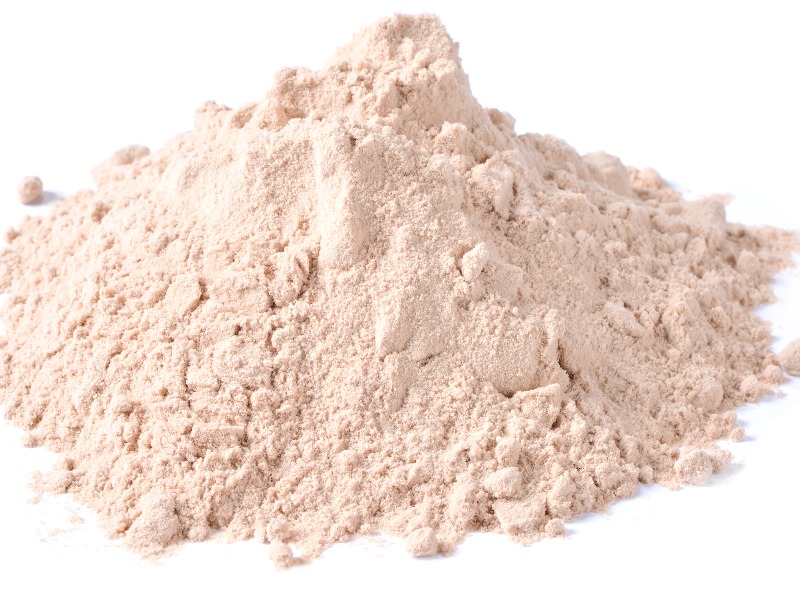
Plasma can effectively realize the coarse texture by the time that maintains the cohesion of the different diet ingredients. From the plasma spray drying process, a very fine powder is obtained that retains all the functional properties of the liquid product, such as the ability to produce a thermoplastic gel when diluted in water and subjected to high temperature or extreme pH, or its high retention of water and emulsification capacity, to name a few. Due to these technological properties, plasma is used in products in chunks and treats as well as in cat food. The use of plasma not only contributes effectively to improving the piece texture but also maintaining all the different recipe ingredients.Plasma can effectively realize the coarse texture by the time that maintains the cohesion of the different diet ingredients. From the plasma spray drying process, a very fine powder is obtained that retains all the functional properties of the liquid product, such as the ability to produce a thermoplastic gel when diluted in water and subjected to high temperature or extreme pH, or its high retention of water and emulsification capacity, to name a few. Due to these technological properties, plasma is used in products in chunks and treats as well as in cat food. The use of plasma not only contributes effectively to improving the piece texture but also maintaining all the different recipe ingredients. Image 1. Daily and total intake in cats for each diet used in the two palatability studies. Statistics were done by testing (iso product [1] or iso cost [2]) using the' t' test. These differences in intake were also observed for the first choice of each diet, as shown in Table 1. Both studies conclude that there is a clear preference for diets containing plasma. CATS PREFER RECIPES WITH PLASMA We carry out different palatability studies with cats. The first study compared plasma with wheat gluten (WG) included at a rate of 20 g/kg (iso-product inclusion) in canned food. The second study analyzed plasma at a similar cost with 30g/kg WG in the recipe (inclusion of 10 g/kg for plasma). The ingredients and processing conditions were similar for all products obtained. In the two tested recipes, there was a clear preference for palatability in the formula containing plasma (Image 1). THE DOGS EXPERIENCED A GREATER ATTRACTION TO PLASMA FOODS We fed 20 Beagles for two days in a test, preferably with standard diets with a control digest that contained 5% bovine fat and 1% flavoring or treatment containing the same digested with the addition of 2% of plasma coverage. As we can see in Image 2, the plasma-containing diet had an overall preference of 3.6:1 over the control diet (P < 0.0001), and the consumption ratio was 78:22. Plasma preference was similar on both days. Plasma application provided the dogs with greater attraction to plasma-containing foods. PLASMA IMPROVES FOOD PALATABILITY, INCREASING CONSUMPTION In another study, commercially available dog foods were placed in water containing 0 or 20% plasma for 5min before air drying. 20 Beagles received two foods (control and with plasma) for a 2-day palatability test. As Image 3 shows, more dogs chose the coated treatments with plasma than control foods in all categories studied. Palatability and feed intake increased with the addition of plasma. Image 2: Preference plasma diet VS negative control Image 3: Treatments with water that contains Plasma VS negative control Source: APC
Other microingredients
1+ MIN
30/11/-0001
Technological Benefits of Spray-dried Animal Plasma in Fish-Based Chunks for Canned Pet Food
This study evaluated the use of spray-dried animal plasma (SDAP) as a binder in fish by-product recipes for chunks in gravy. The results demonstrate that SDAP inclusion in recipes significantly improved the consistency (hardness), elasticity (springiness), cohesiveness, chewiness, and juiciness of final wet products.
These improvements were observed in a chunk recipe with a 35% content of mixed salmon and tuna by-products (Experiment 1), and another recipe with chunks having a final content of a 4% salmon by-product (Experiment 2). There was a positive linear effect of increased SDAP inclusion in the recipes for most of the technological parameters measured, such as elasticity, flexibility, juiciness, and hardness.
Our findings indicate that SDAP is an excellent nutritional binder that can enhance the final technological properties of wet pet food products using high-quality fish recipes and, potentially, in recipes containing protein-rich fish by-products with low functionality.
Conclusion
Plasma shows a positive, linear effect on elasticity, flexibility, juiciness, and hardness in fish by-product recipes.
EXPERIMENT 1. PLASMA EFFECT ON FISH CHUNKS
2% of SDAP had a greater impact of increasing hardness and juiciness compared to 2% WG.
EXPERIMENT 2. PLASMA EFFECT ON FISH CHUNKS
Increasing levels of SDAP linearly increased hardness and juiciness of the chunks containing salmon by-products.
By Dr. Joy Campbell -Senior Director of Global Pet Food Technical Services - APC
Source: All Pet Food Magazine
Videos
Next videos