Other microingredients Baked Biscuits Utilizing Spray Dried Plasma Products
Other microingredients Beyond Dry Food: Functional Additives in the Pet Food Market

Latest content from Other microingredients

Groundbreaking Research Shows Plasma Supports a Healthier Gut Microbiome in Dogs
Other microingredients

2+ MIN

Groundbreaking Research Shows Plasma Supports a Healthier Gut Microbiome in Dogs

APC is pleased to announce the publication of a peer-reviewed study conducted with the University of Illinois Department of Animal Sciences evaluating how plasma included in extruded kibble supports canine gut health and key immune indicators. Gut health is widely recognized as a driver of whole-body wellness through pathways like the gut-brain axis, and this new paper adds to a growing body of evidence on plasma's role in supporting that system. Results show meaningful shifts in fecal metabolite profiles suggesting a beneficial microbial impact and a positive effect on gut health. 
  Previous peer-reviewed work in mice has reported reductions in systemic inflammation, neuroprotective properties, and beneficial shifts in intestinal microbiota with plasma. Studies in other species have shown systemic improvements, including patterns that scale with plasma inclusion level. The University of Illinois canine study builds on this foundation to examine microbiome composition and inflammation-related measures under controlled conditions.
  'Across species we continue to see a consistent, positive effect on gut health,' said Joy Campbell, Senior Director of Global Pet Food Technical Service at APC. 'In this canine study we observed linear effects tied to inclusion level that demonstrate commercial potential in pet foods, functional treats and supplements. We're excited to see such positive and impactful results from this in species study.'   Research highlights include: Study design and controls that isolate plasma's contribution to gut health Exploration of the linear effects of plasma in canine diets Nutrient digestibility, fecal metabolites, microbiome and immune biomarker results relevant to  canine gut health
  The full study, 'Effects of spray-dried plasma on nutrient digestibility, fecal metabolites, microbiota, and immune and inflammatory biomarkers in adult dogs,' published in the Journal of Animal Science is now available at: https://academic.oup.com/jas/article-abstract/doi/10.1093/jas/skaf373/8313524. 

For additional information, visit www.apcpet.com. 

  Fuente: APC

The Secret Ingredient Transforming Pet Nutrition: Animal Plasma
Other microingredients

3+ MIN

The Secret Ingredient Transforming Pet Nutrition: Animal Plasma

APC was founded to turn animal blood, mainly from the meat industry, into valuable functional ingredients. Its mission: transform what was once waste into high-value plasma proteins for animal feed. The company now converts blood fractions—plasma and red blood cells—into functional ingredients used in animal nutrition, agriculture, and even human food. This approach relies on traceability, sustainability, and scientific validation.
  At APC plants, technicians collect fresh blood from authorized slaughterhouses under strict sanitary standards. They separate plasma and red cells through centrifugation, then stabilize and dry each fraction to preserve its natural properties.   APC EUROPE: INNOVATION ROOTED IN BARCELONA   APC Europe, the company's European subsidiary, grew from Aprocat and is headquartered in Barcelona (Spain).   Animal plasma provides active proteins, immunoglobulins, and bioactive peptides that help balance the microbiota, reduce intestinal inflammation, and support the immune system. In animal diets, these components improve feed intake, reduce antibiotic use, and enhance overall well-being. Red blood cells add digestible protein, improving feed value and color.   ENERGY EFFICIENCY AND RENEWABLE COMMITMENT   Research and Development as a Driver of Progress: How APC Works.   APC's process gives new purpose to co-products that were once discarded. This circular approach reduces waste and closes the loop in the agri-food chain. The Barcelona's plant also runs on renewable energy, applies water recycling, and implements energy-efficient systems. These actions strengthen APC's environmental responsibility.
  From the beginning, APC has invested in innovation and circular economy practices. The company uses advanced technology to ensure quality and safety while creating value from local co-products and reducing waste across the food system.   Applications in Pet Food
In pet food, plasma enriches dry and wet diets, treats, and supplements. It promotes better digestion, supports immune health, and improves texture stability. Manufacturers especially value it in functional and premium lines that demand natural, science-backed ingredients.   More than 600 scientific studies support plasma's effectiveness.   SCIENCE AND CLINICAL RESEARCH
Research confirms its benefits for gut health, inflammation control, and microbiota balance in both animals and humans. In senior pets, plasma improves digestion, strengthens immunity, and enhances vitality.
  The APC R&D team leads new plasma applications. Its pilot plant in Barcelona replicates industrial processes such as wet, semi-moist, or packaged diets. This facility helps adapt formulations for various sectors—from pet food to human nutrition—and speeds up testing and market readiness.
  At Barcelona, APC's researchers and manufacturers work together to test recipes, validate innovations, and create new functional ingredients that add proven value.   GROWING ROLE OF PLASMA IN EUROPE
In the United States, plasma is a well-established ingredient in pet food. In Europe, its use grows rapidly, especially in formulations for intestinal health, palatability, and specific dietary needs of dogs and cats. Looking ahead, APC explores plasma's potential for human health, focusing on digestion and immunity.
  A clinical trial conducted with Hospital del Mar in Barcelona studied plasma immunoglobulins in COVID-19 patients, showing promising results and opening new research paths.   40 YEARS OF EXPERTISE AND INNOVATION
APC brings more than 40 years of experience in plasma-based innovation. With over 20 patents and 600 scientific publications, the company exports to 50+ countries. Its continued research strengthens knowledge on how plasma supports gut integrity, immune function, and microbiota balance—a mission that keeps transforming animal nutrition worldwide.


Source: APC

Benefits of salmon oil for dogs and cats
Other microingredients

3+ MIN

Benefits of salmon oil for dogs and cats

Aware of this, at Danna Pet Food we have incorporated salmon oil into several of our formulas in order to take advantage of its additional benefits.   Why is it such a valuable ingredient?
Salmon oil is a natural source of essential omega-3 fatty acids, such as eicosapentaenoic acid (EPA) and docosahexaenoic acid (DHA), found in oily fish. Dogs and cats cannot produce these types of fatty acids on their own or in sufficient quantities, so they must be obtained through food. These are their main benefits:
  Healthy skin and coat. Omega-3 helps maintain healthier skin, reducing dryness, skin inflammation, and itching. It also contributes to a shinier, stronger coat.
  Anti-inflammatory function. EPA and DHA help regulate and reduce inflammation when it is excessive or chronic. This is beneficial for pets with joint problems, allergies, or chronic diseases. In adults and seniors, it acts as a natural anti-inflammatory, helping to reduce joint pain, improve mobility, and prevent osteoarthritis. It is especially beneficial in large breeds or animals predisposed to joint problems.
  Cardiovascular health. They help improve circulation, reduce blood pressure, and maintain adequate blood lipid levels. They can help reduce triglycerides and improve the lipid profile—parameters that measure the amount of fat—in dogs with heart problems.
  Improved immune system. Omega-3s have a positive effect on immune function, strengthening the immune system and improving the body's ability to fight disease, which is important during growth or in old age. This translates into greater resistance and recovery from illness.
  Healthy vision. They are key components for the retina. In early stages, they improve visual development in puppies and kittens.
  Facilitates digestibility and nutrient absorption. By providing quality fats, they facilitate the absorption of fat-soluble vitamins (A, D, E, K) and promote a healthier digestive tract.
  Supports brain function. They stimulate memory, learning ability, and neurological development in puppies and kittens. In adults and seniors, they help maintain healthy cognitive function, preventing age-related mental decline.   Which Danna Pet Food recipes contain salmon oil?
From cognitive development in puppies to joint support in older dogs and cats, our formulas are designed to care for your pet from the inside out and make them shine on the outside.
  All formulas in our range contain salmon oil as a source of omega-3, as well as providing high-quality animal protein and other functional nutrients for comprehensive care. From cognitive development in the youngest to joint support in the oldest, our formulas are designed to care from the inside and shine on the outside.
  For dogs Supreme recipes: Complet: for adult dogs of all breeds. Complet mini: for small breed adults. Elite: for dogs with high energy demands. Puppy: promotes brain and visual development in puppies.
  Grain-free recipes: Performance: grain-free formula (incorporating salmon oil) for highly active dogs or pregnant/lactating females. Adult: for adult dogs with flour and salmon oil.
  For cats Sterilized Cats: for sterilized cats or cats that need to control their weight. Supreme Cats: for cats of all ages and breeds.   Advantages of choosing these formulas   Constant, measured intake. With a fixed percentage (usually 1%), pets receive the necessary daily amount of omega-3 without the need to administer additional oils, which could upset the balance of their food.   Functional ingredients. Our recipes also include prebiotics (FOS, MOS), chondroitin, glucosamine, and other elements that work synergistically with salmon oil to improve digestion, the immune system, and joint health.   Quality and control. Our ranges are developed by experts in animal nutrition and are endorsed by IFS Food and Galicia Calidade certification, which guarantees strict quality controls and a thorough selection of raw materials, minimizing the risk of oil oxidation and loss of properties.
  By choosing Danna PetFood, you are not only ensuring complete nutrition for dogs and cats, but also adding functional value that makes a difference to their well-being. 


Source: Danna Pet Food

Beyond Brushing: How Microbiome Science is Reshaping Oral Care for Dogs and Cats
Other microingredients

4+ MIN

Beyond Brushing: How Microbiome Science is Reshaping Oral Care for Dogs and Cats

This microbial community, comprising bacteria, fungi, viruses, and other organisms, plays a crucial role in maintaining the oral microbiome balance. When this balance is disrupted, dysbiosis, an animal can become more susceptible to periodontal disease, halitosis, chronic inflammation, and even systemic illness involving organs such as the heart, liver, and kidneys.   The Oral Microbiome   In dogs and cats, a healthy oral microbiome is dominated by commensal bacteria that help regulate inflammation, compete with pathogenic organisms, and support immune function. In dogs, common bacterial genera include Porphyromonas, Actinomyces, Corynebacterium, and Fusobacterium. Among these, Porphyromonas gulae has been identified as a key contributor to periodontal disease, particularly when overrepresented. In cats, the oral microbiome is similarly diverse, featuring species such as Fusobacterium, Pasteurella, and Porphyromonas, and is particularly relevant in conditions like feline chronic gingivostomatitis, an immune-mediated inflammatory disorder believed to be triggered or exacerbated by microbial imbalance.   Dog and Cats: Not Small Humans   Despite the growing interest in supporting the pet oral microbiome, much of the foundational understanding of microbial interactions in the mouth has been derived from . However, there are critical differences between the oral environments of humans and those of companion animals that limit the applicability of these findings.   For example, while human mouths are dominated by Streptococcus species, dogs and cats exhibit a significantly different bacterial profile. One study noted that dogs and humans only share 16.4% of their oral bacterial taxa. This highlights the significant differences in the composition of their oral microbiomes and underscores the importance of species-specific research. Furthermore, oral salivary chemistry and pH differ between species. Canine saliva tends to be more alkaline (basic), which favors different microbial populations compared to the more acidic human oral cavity. These differences extend to diet, as well; dogs and cats consume far fewer carbohydrates than the average human, therefore, altering the substrate available to oral bacteria.   These distinctions make it clear that oral care products and strategies validated in human populations cannot be assumed to perform the same way in dogs or cats. A probiotic strain that inhibits plaque-forming bacteria in humans may be entirely ineffective, or even disruptive, in a dog or cat. Likewise, postbiotic compounds derived from human-focused postbiotics may not meaningfully affect the microbial targets most relevant in veterinary dentistry. As such, species-specific research is essential to ensure safety, efficacy, and long-term health outcomes.   Check out this podcast episode from Barking Mad to learn more about why strain and species matter when selecting effective pro- and postbiotics for pets.   Probiotics and Postbiotics   To help restore microbial balance and improve oral health, researchers have increasingly turned to probiotics and postbiotics. Probiotics are live beneficial microbes that support microbial diversity and outcompete pathogenic species.  In the oral cavity, they can and promote a healthier microbial community. For example, a targeted study of Lactobacillus acidophilus MJCD175 observed that this specific strain can significantly inhibit the growth of key oral pathogens, including Streptococcus mutans and Porphyromonas gingivalis, suggesting its potential utility in preventing canine dental caries (cavities) and periodontal disease.   Postbiotics, in contrast, represent a next-generation approach to microbial modulation. Unlike probiotics, postbiotics are non-living microbial byproducts or components, such as organic acids, peptides, enzymes, and cell wall fragments, that are produced during fermentation. These compounds retain many of the functional benefits of probiotics, including antimicrobial, anti-inflammatory, and immunomodulatory effects, while offering improved product stability, longer shelf life, and no risk of microbial overgrowth.   Recent clinical data supports the value of postbiotics in promoting pet oral health. In a controlled study, a proprietary postbiotic formulation was found to reduce volatile sulfur compounds (also known as VSCs), the molecules responsible for bad breath, in dogs by 27%  compared to a placebo. Notably, this improvement occurred without mechanical brushing, highlighting the biological efficacy of postbiotic action alone. This study suggested that, in the oral environment, postbiotics can inhibit pathogens such as Porphyromonas and Fusobacterium, prevent biofilm formation, regulate pH, and support gingival health by reducing inflammation.   Limitations   Despite these promising findings, postbiotics have yet to gain widespread use in veterinary dental products. One key limitation is cost. Producing stable, biologically active postbiotics requires precision fermentation, filtration, and stabilization, all of which increase manufacturing complexity and expense. Most importantly, while early studies are encouraging, more extensive clinical trials in dogs and cats are needed to establish best practices and gain broader veterinary acceptance.   Looking Ahead   In the meantime, pet owners and veterinary professionals can promote oral health through a combination of daily brushing and VOHC-approved dental diets, chews, and supplements. As research advances, microbiome-centered approaches—including the use of probiotics and postbiotics—are poised to become a foundational part of preventive veterinary care.   In the future, oral health may be assessed not just by the absence of tartar or gingivitis, but by the health and stability of the microbial ecosystem that lines the mouth. BSM Partners has the scientific and regulatory expertise to evaluate emerging research and determine when substantiation is strong enough to move forward with product innovation and formulation. Connect with our team to learn more, and stay tuned for further advancements in this exciting and rapidly evolving area of pet health.   Source: BSM Partners

Innovation in Natural Extracts, Prebiotics & Parabiotics for Pet Nutrition
Other microingredients

3+ MIN

Innovation in Natural Extracts, Prebiotics & Parabiotics for Pet Nutrition

Within this context, several scientific terms have moved beyond academia and now feature prominently on health-oriented product labels, driving innovation in animal-feed formulations:
  Prebiotics: substrates that are selectively utilised by host microorganisms, conferring a health benefit. Probiotics: live microorganisms that, when administered in adequate amounts, confer a health benefit on the host. Postbiotics: preparations of inanimate microorganisms and/or their components that confer a health benefit. Parabiotics: non-viable microbial cells, cellular structures or fermentation extracts devoid of live organisms.
  These functional ingredients not only promote gastrointestinal health but also reduce the need for antibiotic interventions, improve feed conversion ratios and potentiate immune responses —thereby lowering disease incidence. The upshot is higher productivity together with a growing consumer preference for safe, antibiotic-free, 'naturally derived' animal products. Pets likewise benefit from functional diets that support health, growth and longevity.
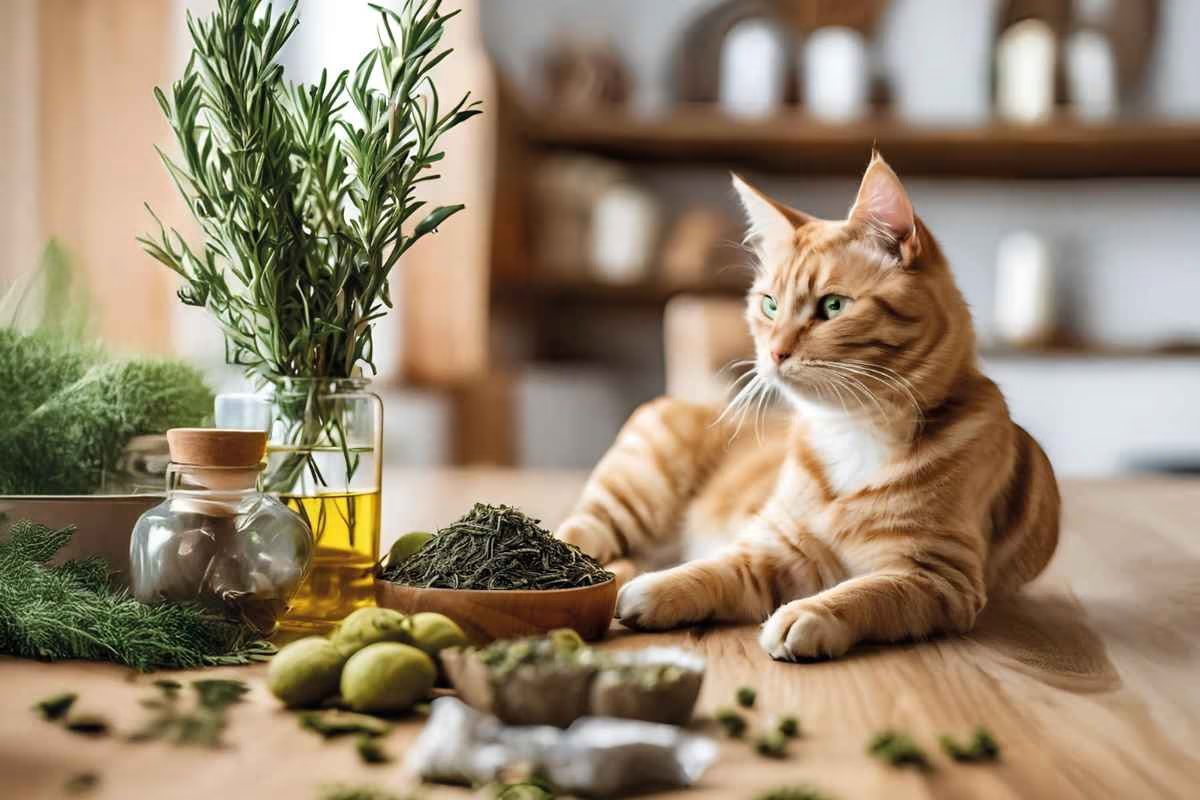
  At 3A BIOTECH, we fully embrace this paradigm, designing natural extracts and formulations that safeguard the food chain and care for both livestock and companion animals. Our portfolio contains numerous prebiotic solutions. Among the botanical extracts with proven prebiotic activity that we incorporate are rosemary, green-tea, olive-fruit (and co-products) and soybean extracts. Beyond their well-documented antioxidant properties, these materials supply prebiotic molecules and serve as natural alternatives to conventional aroma and fat stabilisers, preventing rancidity during drying processes and extending product shelf life.
  A flagship example is our proprietary Tocotyrosol™ range —an all-natural substitute for synthetic additives that unites technological functionality with prebiotic activity to support a balanced diet. The formulation synergises tocopherols from oilseeds, hydroxytyrosol and other olive derivatives, plus rosemary and green-tea extracts. Health benefits stem from the bioactive principles within these extracts. For instance, rosemary-derived rosmarinic acid is metabolised by gut symbionts into compounds capable of suppressing pathogenic bacteria while stimulating beneficial microbes.
  Available in lipid- and water-soluble formats, both liquid and powder, these solutions extend the shelf life of dry pet food, stabilise organoleptic properties and texture, and enrich formulations with essential nutrients. All products are backed by quality certifications such as GMP+, IP-Non-GMO, Kosher, Halal and CAAE.
  Beyond our current prebiotic portfolio, 3A BIOTECH is actively developing parabiotic formulations derived from proprietary fermentative strains, with promising preliminary results. Parabiotics are particularly valuable where probiotic viability cannot be guaranteed —e.g., high-temperature pelleted feeds or products requiring long storage. Multiple studies demonstrate that parabiotics fortify the intestinal barrier, attenuate inflammation and modulate both innate and adaptive immunity across animal species, thereby improving overall health status.
  The convergence of biotechnology and animal nutrition now enables unprecedented diet personalisation, lowering antimicrobial use and optimising resource efficiency. Microbiome sequencing, intestinal metagenome analysis, bespoke fermentation platforms and in-vitro digestive models are revealing intricate microbe–nutrient–host interactions. In this light, our products are far more than 'additives': they are microbial-engineering tools that help cut antibiotics, boost gut health, improve feed efficiency and shrink the environmental footprint of animal production.
  We invite industry partners to join us on this journey, embracing technological solutions that transform animal nutrition into a lever for value creation, sustainability and profitability. At 3A BIOTECH, we remain committed to research, development and the transfer of innovations that make a tangible difference in the field.


By 3A BIOTECH
Source: All Pet Food Magazine