3 min reading
Cats are not Small Dogs: Unique Nutritional Needs of Cats
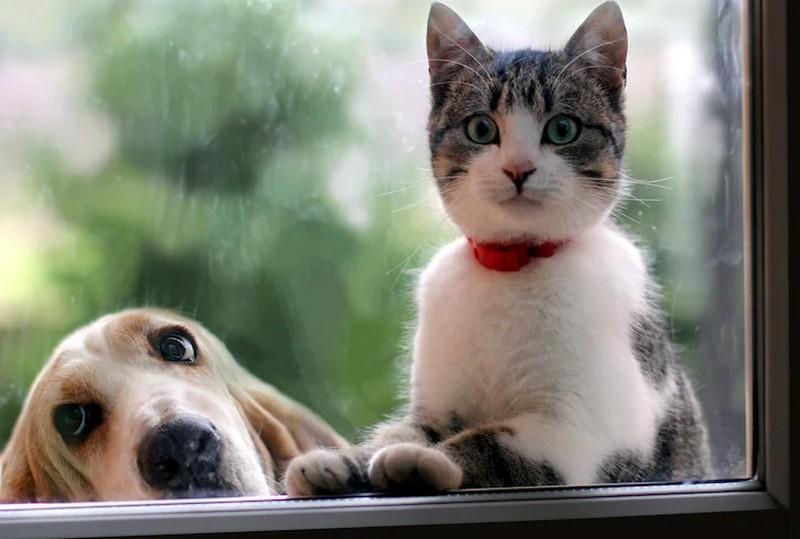
Different from dogs, who are omnivores (meaning they are designed to eat a combination of animal and plant foods), cats are carnivores and have unique metabolism compared to many other domestic animals.
Cats have special dietary needs that omnivores do not have and for this reason they should not be fed as vegetarians and should always have some animal protein (meat) in their diets. That does not mean that they can safely eat only meat – cats can digest and utilize nutrients from plants and a very high or all meat diet is dangerous for cats!
Some of the unique nutritional needs of cats:
Protein:
Cats need more protein than other species like humans or dogs. Kittens need more protein than most other animals and adult cats need 2-3 times more protein than dogs or herbivores like cows or horses.
Arginine:
Arginine, an amino acid (which is a building block of protein) found in meat, is another unique requirement of cats. Most other animals can make some arginine (so their dietary needs are lower), but cats lack the enzyme needed to make arginine in their own bodies, so it needs to be provided in higher amounts in their diet. Arginine is important because it is involved in removing ammonia (the waste product of protein breakdown) from the body. If cats cannot remove the ammonia from their bodies, they can suffer weight loss, vomiting, neurological signs, and even death.
Taurine:
Taurine is another amino acid that cats cannot make themselves like many animals can. It is important in kittens for them to grow normally and in adult cats to remain healthy. In addition, when cats are fed a diet too low in taurine they can become blind as a result of retinal degeneration and their heart can become enlarged and not be able to pump blood appropriately (dilated cardiomyopathy). Queens (adult female cats) can also develop reproductive problems. Because of these serious issues that develop with taurine deficiency, all cat foods should include taurine. The total amount in the diet, however, is not the only important factor. Other ingredients in the diet can affect how taurine is broken down in the gut and how available it is to the cat so it's important to feed a diet that has been carefully formulated and tested.
Vitamins:
When it comes to vitamins, cats require some vitamins like niacin in higher amounts than other animals like dogs. In most animals, vitamin A can be made in the body from compounds that are present in plants like carrots and green leafy vegetables (carotenoids). The enzyme needed to do this is not very active in cats, therefore diets for cats must include pre-made vitamin A. Vitamin D is normally made in the body in many animals including humans when they spend time in the sunlight. Cats (as well as dogs) are not able to make adequate amounts of vitamin D in their bodies, so they must always get it in their diet.

Unlike dogs, cats cannot use the plant form of vitamin D as efficiently as the animal form, so feline diets should include the animal version of vitamin D (vitamin D3) or the levels of D2 need to be adjusted to compensate for its lower efficiency. Because of limited production of the vitamin niacin in cats' bodies, feline diets must also contain more niacin than diet for other animals.
Cats also have a number of other unique needs, including those that affect their essential fatty acid metabolism, higher requirements for some B vitamins, and differences in carbohydrate metabolism. These special needs of cats are the reason cats should not be fed dog food and require a very carefully formulated diet. If you pick commercial cat foods that say they are formulated to meet AAFCO nutrient profiles or have passed animal feeding trials for cats (and are from a manufacturer with good quality control), then these special needs are already taken into account!
by Deborah E. Linder, DVM, MS, DACVN, Written in conjunction with veterinary student, Sasha Santiago.
You could be interested: How important is choline for cats

Videos

Events

IBERZOO PROPET
11 to 13 March, 2026
Madrid, España
https://www.ifema.es/iberzoo-propet

Simposio CS Petfood & Aquafeed
15 to 16 April, 2026
Pilar, Buenos Aires, Argentina
https://www.cliviosolutions.com/

PET FOOD FORUM KANSAS
27 to 29 April, 2026
Kansas City, Missouri, USA
https://www.petfoodforumevents.com/

interpack
07 to 13 May, 2026
Düsseldorf, Alemania
https://www.interpack.com/

Smart Pet Food Production
11 May, 2026
Sheraton Carlton Nürnberg
https://www.petfoodcompetencenet.com/events/
Interzoo 2026
12 to 15 May, 2026
Nuremberg, Germany
https://www.interzoo.com/en

FENAGRA 2026
12 to 14 May, 2026
Santana – São Paulo
https://www.fenagra.com.br/

XXIV CONGRESO DE PET DE LA CBNA
12 to 14 May, 2026
São Paulo Expo, Brasil
https://www.fenagra.com.br/congresso/cbna-pet/

EXPO PACK México 2026
02 to 05 June, 2026
Ciudad de México, CDMX.
https://www.expopackmexico.com.mx/

VICTAM 2026
02 to 04 June, 2026
Utrecht, Países Bajos
https://victaminternational.com/

VIV Europe 2026
02 to 04 June, 2026
Utrecht, the Netherlands
https://www.viveurope.nl/

Foro Mascotas 2026
24 to 26 June, 2026
Expo Guadalajara, Mexico
https://www.foromascotas.mx/en

Pet South America 2026
12 to 14 August, 2026
São Paulo Expo, Brazil
https://petsa.com.br/

Pet Fair Asia 2026
19 to 23 August, 2026
Shanghai, China
https://en.petfairasia.com/

CIPAL 2026
23 to 24 September, 2026
Buenos Aires, Argentina
https://cipal.com.ar/?lang=en

PETZOO Eurasia
07 to 10 October, 2026
İFM- İstanbul Expo Center
https://petfuari.com/en/

SINPET 2026
15 to 16 October, 2026
Porto Alegre, Brazil
https://www.instagram.com/sinpet2026/

FIGAP 2026
21 to 23 October, 2026
Guadalajara, Jalisco, Mexico
https://figap.com/

Pet Fair South East Asia
28 to 30 October, 2026
Bangkok, Thailand
https://petfair-sea.com/
Advertising