3 min reading
By Erika Stasieniuk
Friday, 08 of January, 2025Customized Additives: New Science and Technology Transforming the Pet Food Industry
The pet food market is constantly seeking differentiation elements and innovations. Consumers are increasingly strict and search for products that fulfill their animal bare necessities and offer specific benefits for their health and well-being. Considering this, customized additives have gained popularity by providing pet food companies with the opportunity to create exclusive and high-competitive formulations.
The pet food market is constantly seeking differentiation elements and innovations. Consumers are increasingly strict and search for products that fulfill their animal bare necessities and offer specific benefits for their health and well-being. Considering this, customized additives have gained popularity by providing pet food companies with the opportunity to create exclusive and high-competitive formulations.
Customized Additives: Competitive Advantages for Manufacturers
Adopting customized additives can be a competitive advantage for pet food manufacturers. By developing them, companies can adapt their formulations to satisfy specific nutritional needs, e.g., supporting joint health, optimizing digestion, or reducing food allergies. That can be a significant difference in a collapsed market, allowing brands to offer distinguished consumer solutions.
In addition, customized additives ensure better flexibility in formulation, which allows fast settings in response to market trends or changes in consumer demands. This adaptability is particularly valuable for companies seeking to be at the forefront of pet food innovation.
These ingredients may have a positive impact on the operational efficiency of industries. As many additives have low inclusion levels (between 0.5% and 0.05% of the formula), there is a significant risk of weighing mistakes when managing different ingredients in small quantities; a way to reduce this risk is to combine many additives in one personalized premix to minimize errors and ensure accuracy in the formulation. It also enhances the end product consistency and increases the company's productivity by simplifying the weighing and mixing process. Moreover, centralizing additives in a personalized solution can reduce operational costs by optimizing the sales process and the ingredient storage, which is more agile and efficient.
However, it is essential to recognize the practical disadvantages of customized additives. Their development requires an initial huge investment, especially in research & development, and efficacy tests. For smaller companies, this cost can be a barrier. In addition, the dependence on specialized suppliers can increase the risk of interruptions in the supply chain, which can affect manufacturing. A sophisticated focus is required to ensure the availability of the ingredients as necessary since running the customized additives inventory can raise logistic complexity.
Science Behind Customization
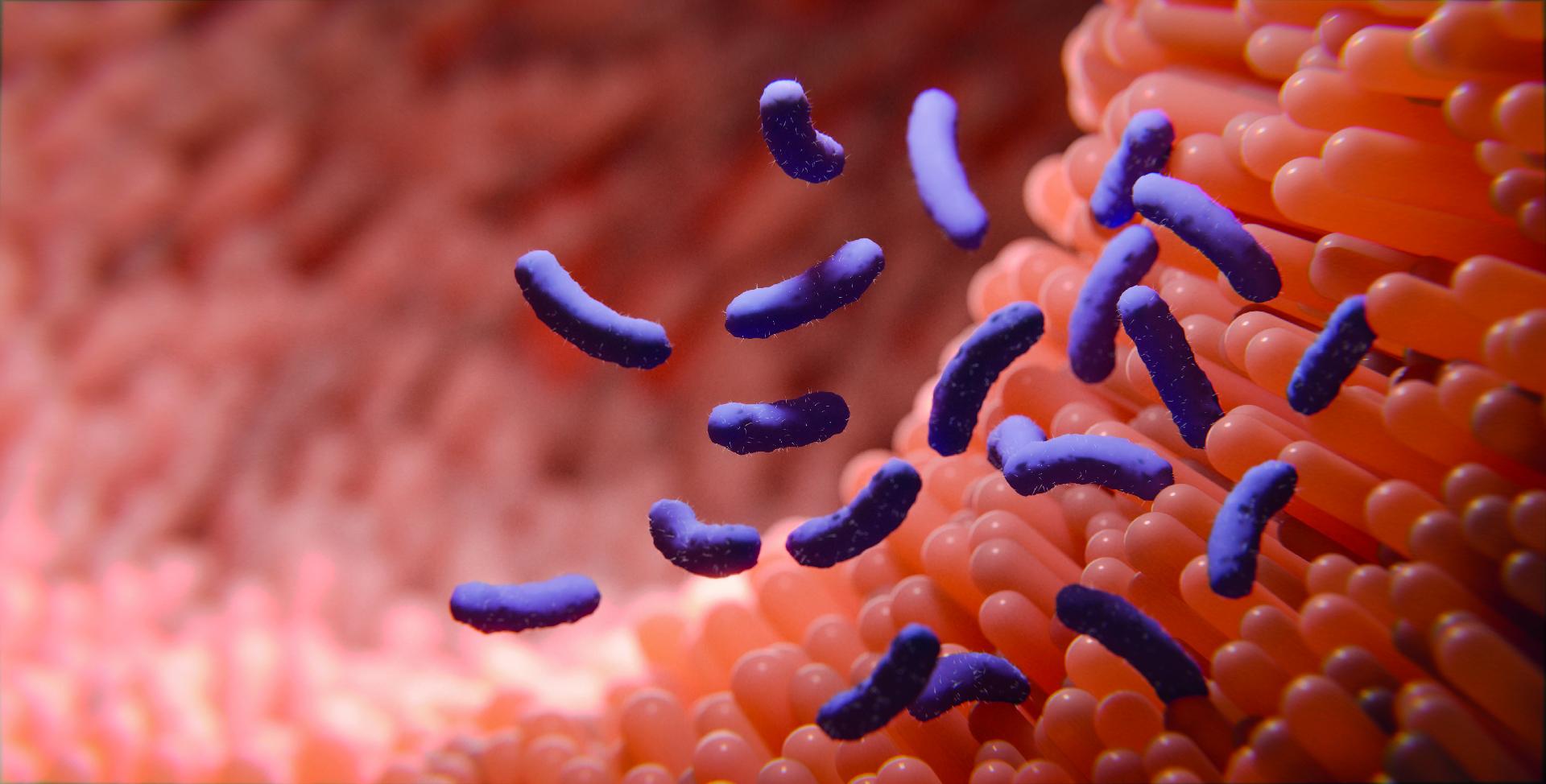
Additive customization is not a marketing trend. It is based on scientific research that has actual benefits for animal health. Recent research shows that probiotic and prebiotic customized mixes can significantly enhance gut health and immunity in farm animals such as swine and poultry. These concepts have adapted to pet food nutrition, where customized additives adjust to the specific needs of different species and health conditions.

In aquaculture, for example, antioxidant customization has shown positive effects by increasing fish resistance to oxidative stress and extending the shelf life of food. For pet food companies, these scientific principles application allow the creation of products that offer tangible benefits by differentiating their product lines in the market.
When formulating food for dogs with articular disorders, the customization of additives, such as chondroitin and glucosamine, has demonstrated their efficiency in enhancing animal mobility and life quality. Results highlight how science can be an ally in creating innovative and competitive products.
Choosing supplies of customized additives is crucial in efficiency and quality of pet food formulations. Experimented suppliers not only provide necessary ingredients but also carry out detailed evaluations of different additives interactions. That is fundamental to ensure that compounds work in synergy, avoiding possible antagonisms that may compromise the expected benefits. Besides, their experience determines the optimum dose for each additive, ensuring that the end product meets the pet nutritional and health requirements without exceeding the security limits. Partners that understand these matrices increase product effectiveness and add value to the brand, standing it out as a company committed to science and innovation.
Innovation and Differentiation Through Customization
Adopting customized additives means a great opportunity for pet food companies to lead the market with innovative products that meet consumer-specific demands. By integrating science and technology into the development of customized formulations, companies improve animal health and well-being and position them as leaders in innovation.
The future of pet food nutrition is linked to customization; companies investing in this trend will be better positioned to have a larger market share. Additive customization is not a temporary trend but a science-based strategy that has concrete results for pet food manufacturers.
By: Erika Stasieniuk y Ludmila Barbi Trindade
Source: All Pet Food Magazine

You could be interested: Plasma: The Functional, Natural Miracle Ingredient for Dogs and Cats!

About the author
Erika StasieniukAnimal Scientist graduated from UNESP —Botucatu, with a Master’s degree (2009) and Ph.D. (2013) in Animal Science, with an emphasis on Companion Animal Nutrition, from UFMG— Belo Horizonte. With over 15 years of experience in the pet food industry, she has worked in Research and Development, formulation of dry extruded foods, premixes, and supplements for dogs, cats, and fish, with experience in both national and multinational companies. Since 2019, she has been the founder of SFA Consultoria, providing technical and strategic support to national and international companies that produce food and ingredients for dogs and cats. She also trains professionals through online courses and mentorships, with more than 200 students in Brazil and abroad. She is currently also a postgraduate professor at Faculdade CTA, where she teaches the subject of Dry Extruded Food Formulation for Dogs and Cats. You can find her on Instagram: @erikastasieniuk

About the author
Ludmila Barbi T. BomcompagniBrazilian living in Mexico City, veterinarian with a master's degree in Animal Nutrition. Having experience in pet food formulation and raw materials evaluation, she currently dedicates to the study and development of functional additives for pet food nutrition.

Publisher Contents


Events

IBERZOO PROPET
11 to 13 March, 2026
Madrid, España
https://www.ifema.es/iberzoo-propet

Simposio CS Petfood & Aquafeed
15 to 16 April, 2026
Pilar, Buenos Aires, Argentina
https://www.cliviosolutions.com/

PET FOOD FORUM KANSAS
27 to 29 April, 2026
Kansas City, Missouri, USA
https://www.petfoodforumevents.com/

interpack
07 to 13 May, 2026
Düsseldorf, Alemania
https://www.interpack.com/

Smart Pet Food Production
11 May, 2026
Sheraton Carlton Nürnberg
https://www.petfoodcompetencenet.com/events/
Interzoo 2026
12 to 15 May, 2026
Nuremberg, Germany
https://www.interzoo.com/en

FENAGRA 2026
12 to 14 May, 2026
Santana – São Paulo
https://www.fenagra.com.br/

XXIV CONGRESO DE PET DE LA CBNA
12 to 14 May, 2026
São Paulo Expo, Brasil
https://www.fenagra.com.br/congresso/cbna-pet/

EXPO PACK México 2026
02 to 05 June, 2026
Ciudad de México, CDMX.
https://www.expopackmexico.com.mx/

VICTAM 2026
02 to 04 June, 2026
Utrecht, Países Bajos
https://victaminternational.com/

VIV Europe 2026
02 to 04 June, 2026
Utrecht, the Netherlands
https://www.viveurope.nl/

Foro Mascotas 2026
24 to 26 June, 2026
Expo Guadalajara, Mexico
https://www.foromascotas.mx/en

Pet South America 2026
12 to 14 August, 2026
São Paulo Expo, Brazil
https://petsa.com.br/

Pet Fair Asia 2026
19 to 23 August, 2026
Shanghai, China
https://en.petfairasia.com/

CIPAL 2026
23 to 24 September, 2026
Buenos Aires, Argentina
https://cipal.com.ar/?lang=en

PETZOO Eurasia
07 to 10 October, 2026
İFM- İstanbul Expo Center
https://petfuari.com/en/

SINPET 2026
15 to 16 October, 2026
Porto Alegre, Brazil
https://www.instagram.com/sinpet2026/

FIGAP 2026
21 to 23 October, 2026
Guadalajara, Jalisco, Mexico
https://figap.com/

Pet Fair South East Asia
28 to 30 October, 2026
Bangkok, Thailand
https://petfair-sea.com/
Advertising