4 min reading
Is Cultured Protein the Future of Protein in Pet Food?
As the pet food industry seeks more sustainable and ethical protein sources, cell-cultured protein has become a compelling innovation. Made by growing animal cells in controlled growth chambers, this technology promises precise nutrition and a reduced environmental impact.
As the pet food industry seeks more sustainable and ethical protein sources, cell-cultured protein has become a compelling innovation. Made by growing animal cells in controlled growth chambers, this technology promises precise nutrition and a reduced environmental impact.
Recent regulatory challenges, especially in the US, have cast doubt on its future, raising important questions about safety, cost, consumer acceptance, and legal disputes.
Positively, cultured proteins hold the potential to engineer species-appropriate formulations that optimize amino acid profiles while minimizing unhealthy fat content. This is particularly significant for obligate carnivores such as cats, where precise levels of taurine are essential. Despite this potential, many current prototypes still lack the micronutrient and mineral diversity typically found in organ meats, making supplementation necessary to achieve dietary balance.
Not only are pet owners motivated by the nutritional benefits, but they are also increasingly driven by concerns for sustainability and animal welfare. In early 2025, the UK became the first European country to approve lab-grown pet food, marking a major environmental milestone. However, terminology like 'lab-grown' or 'synthetic' may make many consumers uncomfortable, especially those who prefer natural and whole-food concepts. Therefore, transparent labeling and consumer education will be essential for building trust and encouraging acceptance.
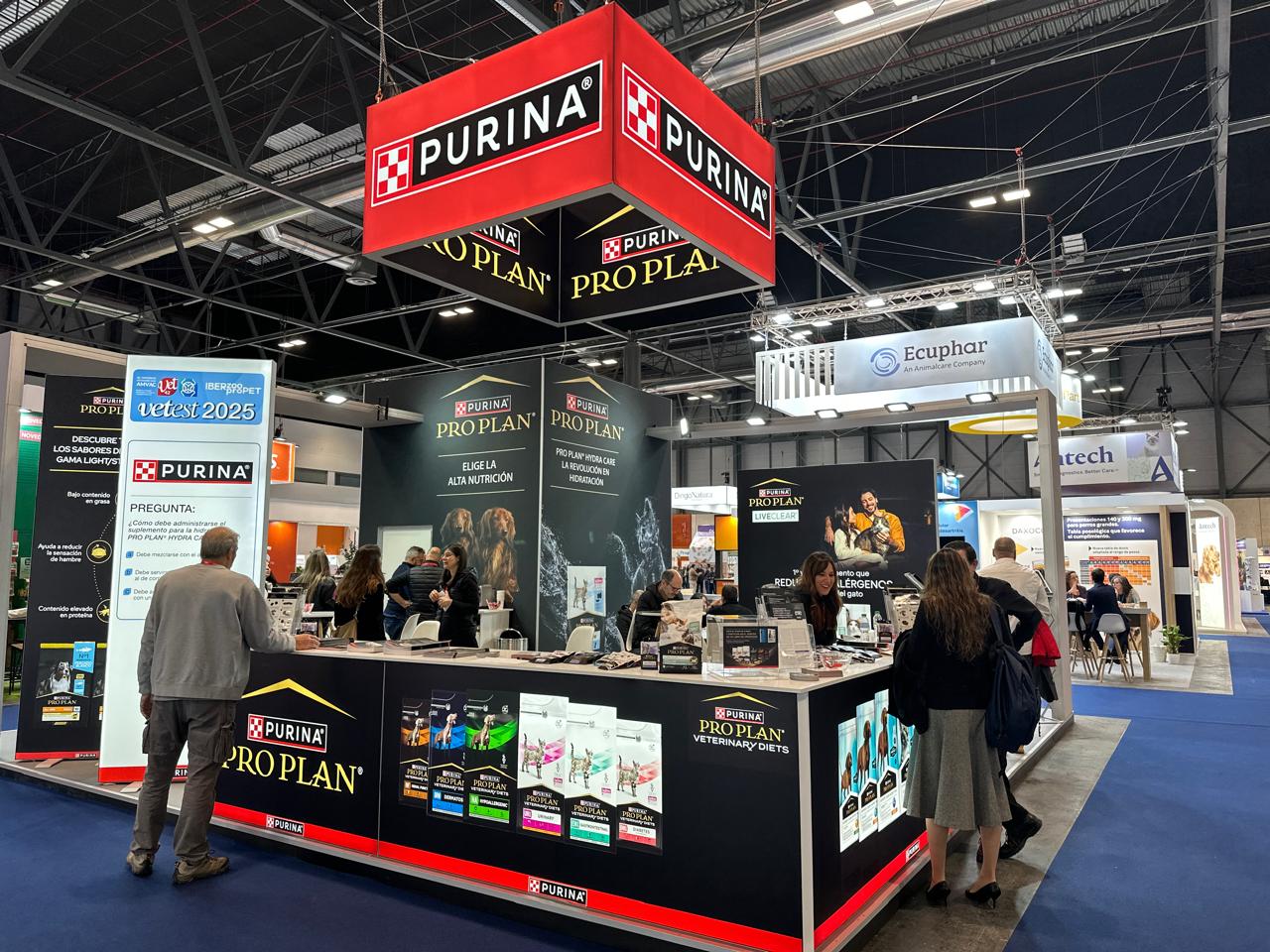

Photo by CHRISTINA PEDRAZZINI SCIENCE PHOTO LIBRARY
Despite growing attention, cultured protein is facing significant legislative pushback. In the United States, several states, including Florida, Alabama, Mississippi, Indiana, Texas, and Nebraska, have enacted or proposed outright bans on cultured proteins. Traditional ranchers and livestock groups strongly oppose the technology, viewing it as a direct threat to their livelihoods. They argue that the bans protect the integrity of conventional agriculture and reflect consumer skepticism. On the other hand, industry associations such as the Association for Meat, Poultry and Seafood Innovation contend that cultivated proteins are meant to complement, not replace, conventional meat, and not all ranchers are opposed. In response to restrictive state policies, several cultured protein startups have filed lawsuits, arguing the bans violate interstate commerce protections and amount to unconstitutional economic protectionism.
International responses to cultured protein vary widely. In Italy, for example, the government approved a law banning the production and sale of lab-grown meat, citing the need to protect the country's agri-food heritage and traditional cuisine. Conversely, Singapore continues to lead with the first approvals worldwide, while the European Food Safety Authority (EFSA) novel food review process has slowed progress, leaving many startups in limbo. These global inconsistencies underscore the fragmented and politicized regulatory landscape that startups must navigate.

Even in regions with more supportive frameworks, costs remain a central challenge. Despite $1.6 billion in venture capital funding, many companies have faced layoffs, shutdowns, or long delays. In 2024, New Age Eats and SCiFi Foods closed after failing to secure sufficient funding. Others, however, are pushing forward. Mission Barns recently received FDA 'no questions' clearance for cultivated pork fat, aiming to release hybrid bacon products in 2025. Similarly, Upside Foods, which gained FDA clearance for cultivated chicken in 2023, continues to pursue market expansion despite facing state-level bans. This tension between innovation and accessibility highlights the delicate balance that companies must strike to remain viable and competitive.
Beyond cost and regulation, one of the most debated issues is the long-term health impact of cultured protein for both humans and companion animals. While no longitudinal feeding studies have been completed in pets, existing scientific reviews suggest some insights. Early research indicates that cultured protein can mirror the macronutrient and amino acid content of conventional meat, with the added benefit of controlled nutrient profiles. Yet, concerns remain about micronutrient adequacy, particularly for iron, zinc, and vitamin B12, unless supplementation is provided. Cultivated proteins may also reduce foodborne pathogen risks, such as Salmonella and E. coli, although questions remain about potential residues from growth factors or scaffolding materials (edible non-animal adhesive used in cultured protein production). Digestibility appears comparable to traditional meat, but the absence of long-term feeding studies in pets leaves metabolic and gut microbiome effects largely unknown, as cited by Mouat et al. in their paper, 'Cultured Meat and the Politics of Protein,' published in Food Policy in 2021. For now, cultured protein's long-term safety for pets is promising but unproven.
The following table summarizes the current opportunities and risks:

Taken together, cultured protein represents both opportunity and uncertainty. On one hand, it offers a safer, more sustainable protein source with the potential for custom nutrient profiles tailored to pet needs. On the other hand, unresolved concerns about micronutrient adequacy, long-term digestive health, and consumer trust make it an emerging but experimental option. Until long-term feeding trials and regulatory harmonization are achieved, cultured protein's position in pet food will remain a frontier of both promise and contention.

In conclusion, cultured protein is at a crossroads in the pet food industry. Its promise of nutritional engineering and sustainability collides with political resistance, economic challenges, and consumer skepticism. Without coordinated regulatory support and continued investment, its adoption may be confined to niche markets or hybrid formulations. For now, cultured protein in pet food remains both a scientific opportunity and a political battleground.
At BSM Partners, we help brands navigate these complexities with a science-first, market-aware approach. Our team of PhD nutritionists, veterinarians, regulatory experts, and food scientists works at the intersection of innovation and compliance, whether that means evaluating the nutritional adequacy of emerging proteins, assessing consumer acceptance data, or advising on shifting regulatory landscapes across the globe. Cultured protein is just one example of how rapidly the protein space is evolving. By partnering with us, human and pet food companies can anticipate challenges, seize opportunities, and ensure their products meet both scientific rigor and consumer expectations.
By Emily Taylor
Source: BSM Partners

Events

IBERZOO PROPET
11 to 13 March, 2026
Madrid, España
https://www.ifema.es/iberzoo-propet

Simposio CS Petfood & Aquafeed
15 to 16 April, 2026
Pilar, Buenos Aires, Argentina
https://www.cliviosolutions.com/

PET FOOD FORUM KANSAS
27 to 29 April, 2026
Kansas City, Missouri, USA
https://www.petfoodforumevents.com/

interpack
07 to 13 May, 2026
Düsseldorf, Alemania
https://www.interpack.com/

Smart Pet Food Production
11 May, 2026
Sheraton Carlton Nürnberg
https://www.petfoodcompetencenet.com/events/
Interzoo 2026
12 to 15 May, 2026
Nuremberg, Germany
https://www.interzoo.com/en

FENAGRA 2026
12 to 14 May, 2026
Santana – São Paulo
https://www.fenagra.com.br/

XXIV CONGRESO DE PET DE LA CBNA
12 to 14 May, 2026
São Paulo Expo, Brasil
https://www.fenagra.com.br/congresso/cbna-pet/

EXPO PACK México 2026
02 to 05 June, 2026
Ciudad de México, CDMX.
https://www.expopackmexico.com.mx/

VICTAM 2026
02 to 04 June, 2026
Utrecht, Países Bajos
https://victaminternational.com/

VIV Europe 2026
02 to 04 June, 2026
Utrecht, the Netherlands
https://www.viveurope.nl/

Foro Mascotas 2026
24 to 26 June, 2026
Expo Guadalajara, Mexico
https://www.foromascotas.mx/en

Pet South America 2026
12 to 14 August, 2026
São Paulo Expo, Brazil
https://petsa.com.br/

Pet Fair Asia 2026
19 to 23 August, 2026
Shanghai, China
https://en.petfairasia.com/

CIPAL 2026
23 to 24 September, 2026
Buenos Aires, Argentina
https://cipal.com.ar/?lang=en

PETZOO Eurasia
07 to 10 October, 2026
İFM- İstanbul Expo Center
https://petfuari.com/en/

SINPET 2026
15 to 16 October, 2026
Porto Alegre, Brazil
https://www.instagram.com/sinpet2026/

FIGAP 2026
21 to 23 October, 2026
Guadalajara, Jalisco, Mexico
https://figap.com/

Pet Fair South East Asia
28 to 30 October, 2026
Bangkok, Thailand
https://petfair-sea.com/
Advertising