4 min reading
Dogs prefer to eat Fat, and Cats surprisingly tend toward Carbs
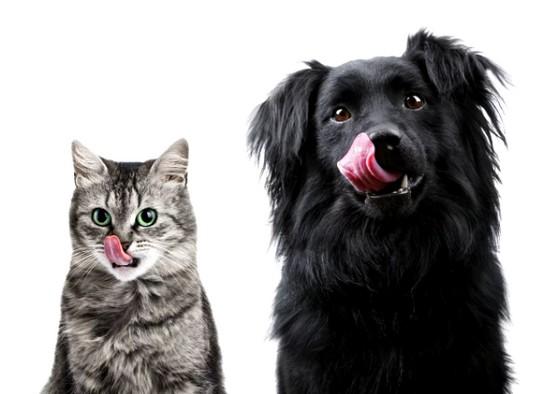
Dogs gravitate toward high-fat food, but cats pounce on carbohydrates with even greater enthusiasm, according to research into the dietary habits of America's two most popular pets. The study sheds new light on optimal nutrition for the animals and refutes a common notion that cats want and need a protein-heavy regimen.
Findings were published in the Journal of Experimental Biology.
"The numbers were much different than what traditional thinking would have expected," said the study's corresponding author, Jean Hall, a professor in the Carlson College of Veterinary Medicine at Oregon State University. "Some experts have thought cats need diets that are 40 or 50 percent protein. Our findings are quite different than the numbers used in marketing and are going to really challenge the pet food industry."

Dietary proteins contribute to a number of important physiological functions such as blood clotting, production of hormones and enzymes, vision and cell repair. Protein also has the most power to make the eater feel satiated; carbohydrates are No. 2 in that regard, followed by fat.
Hall's research involved monitoring 17 healthy adult dogs and 27 cats over 28 days and used four types of food that were designed to taste equally good; with flavor out of the equation, the animals could make macronutrient choices based only on what their bodies were telling them they needed.
"Previous studies have shown that if you don't balance palatability between foods, cats do in fact prefer to eat very high levels of protein and dogs want to eat a lot of fat," Hall said. "When you balance palatability, both dogs and cats prefer significantly different macronutrient content than what they would choose based on taste."
The animals studied by Hall and her collaborators could choose among high-fat, high-carbohydrate, high-protein and balanced foods. Each day, dogs had an hour to eat all they wanted up to a predetermined caloric intake -- that is, they could get all the calories they needed for metabolic requirements and to maintain weight, but no more.
The cats in the study were likewise not allowed to overeat, though even if given unlimited access to food that tastes how they like it, cats tend to eat in a weight-maintenance way by adjusting their intake based on the food's energy density. In the study, cats had 24-hour food access up to the point of hitting their caloric threshold.
Food container placement for both dogs and cats was changed daily to guard against "bowl position bias" affecting the results, which showed the cats on average chose to get 43 percent of their calories from carbs and 30 percent from protein.

- Dogs on the other hand went for 41 percent fat and 36 percent carbs.
- Not a single dog or cat chose to get the highest percentage of its calories from protein.
- Within the aggregate cat findings were trends correlating with age and lean body mass -- how much muscle an animal has.
- Younger cats with less lean body mass tended more strongly toward protein consumption than younger cats with more lean body mass; younger cats in general wanted protein more than older cats.
On the dog side of the study, high-protein foods were the least popular among younger animals with less fat body mass; dogs with greater fat body mass had the strongest preference for getting calories from protein. "Because the choice of macronutrients was influenced in both dogs and cats by age and either lean body mass or fat body mass, that suggests a physiological basis for what they chose to eat," Hall said.
The research also involved determining the diets' effect on selected metabolites of each macronutrient class -- what they break down into in the body. Hall found the older cats' blood had much lower levels of DHA, a long-chain omega-3 fatty acid that's important for the brain, heart and eyes, than the younger cats.
"None of the foods had ingredient sources of DHA or EPA, another long-chain omega-3, but cats are able to synthesize DHA by elongating and desaturating fatty acids," Hall said. "The older cats, though, are a lot less efficient at that."
More potential bad news for the older cats: Their concentrations of sulfated microbial catabolic products -- protein-breakdown leftovers that in humans are connected to cardiovascular and kidney disease -- were significantly higher.
"Just like with older people, older cats may have a different gut microbiome than younger cats, which would mean different microbial metabolic activities," Hall said. Basically, if a younger cat gets more protein than it can use, it can safely deal with and dispose of the excess a lot better than an older cat can.
The Pet Nutrition Center of Hill's Pet Nutrition, Inc., supported this research.
by Oregon State University
Source : All Extruded
You could be interested: What Nutrients are Essential for My Pet?


Minerals
Events

FIGAP 2026
21 to 23 October, 2026
Guadalajara, Jalisco, Mexico
https://figap.com/

Pet Fair South East Asia
28 to 30 October, 2026
Bangkok, Thailand
https://petfair-sea.com/

China International Pet Show (CIPS 2026)
12 to 15 November, 2026
Guangzhou, China
https://en.cipscom.com/

All Pet Food Day
25 November, 2026
Guayaquil, Ecuador
https://allpetfood.net/allpetfoodday2026

IberPet 2027
10 to 12 March, 2027
Madrid, Spain
https://www.ifema.es/en/iberpet

Figan 2027
16 to 19 March, 2027
Zaragoza, Spain
https://www.feriazaragoza.es/en/figan

ZOOMARK 2027
11 to 13 May, 2027
Fair District
https://www.zoomark.it/en/

Pet Fair Asia 2027
18 to 22 August, 2027
Shanghai, China
https://en.petfairasia.com/exhibition/pfa.html

VICTAM 2027
14 to 16 September, 2027
São Paulo, Brazil
https://victamlatam.com/en-us/
Advertising