4 min reading
When Does it Make Sense to Automate a Bagging Process?
A common question that comes up in initial discussions with customers is whether they are looking for an automatic or semi-automatic solution, and in most cases there is no clear answer.
This is understandable. Most companies considering bagging automation are not machinery specialists, but experts in their own product. It is the equipment manufacturer who must analyse the production situation and guide the decision.
So: when is it worth making the switch to an automatic bagging machine? In this article, we address this question.
A common question that comes up in initial discussions with customers is whether they are looking for an automatic or semi-automatic solution, and in most cases there is no clear answer.
This is understandable. Most companies considering bagging automation are not machinery specialists, but experts in their own product. It is the equipment manufacturer who must analyse the production situation and guide the decision.
So: when is it worth making the switch to an automatic bagging machine? In this article, we address this question.
What is an automatic bagging machine?
An automatic bagging machine is a packaging machine whose ultimate objective is the same: to measure out precise quantities of solid products and place them into bags.
The main difference is that the automatic bagging machine does this without human intervention. In other words, in an automatic system, the machine handles all stages: picking up the empty bag, opening it, positioning it, filling it, sealing it and moving it on to the palletiser.
It is worth noting that weighing and dosing are automatic in both semi-automatic and automatic systems. The difference lies in the handling of the bag.
In these cases, the operator moves from performing repetitive physical tasks to carrying out supervisory duties and replenishing consumables.
This technological leap involves greater mechanical and control complexity, but also a profound transformation in the dynamics of the workstation and the production capacity of the line.

Advantages and disadvantages of automatic bagging machines.
Benefits of automatic bagging machines.
Full automation of bagging transforms the operational logic of the workstation. This continuity reduces variability and allows for consistent rhythms to be maintained even during sustained production runs.
By stabilising the bagging point, line performance is optimised, which has a direct impact on productivity and planning capacity.
Another key aspect is the reorganisation of the operator's role. Instead of physically intervening in every cycle, a single person can supervise the system and manage the supply of consumables (empty sacks, sewing thread or other items), devoting more time to process control than to mechanical execution.
From a health and safety perspective, automation also offers clear advantages. By reducing direct handling of the product and the bag, exposure to dust, repetitive physical strain or unnecessary contact with sensitive materials is significantly reduced. The result is a cleaner and safer working environment.
Finally, monitoring the position of the bag throughout its journey ensures greater precision in filling and sealing. This continuous monitoring reduces errors, improves the quality of the finish and brings greater consistency to the entire process.
Limitations of automatic bagging machines.
However, full automation also entails certain technical and financial requirements.
The initial investment is higher than that of a semi-automatic bagging machine, which can delay the return on investment if the production volume does not justify the technological leap. Therefore, the decision must be based on actual data regarding production capacity, labour costs and growth projections.
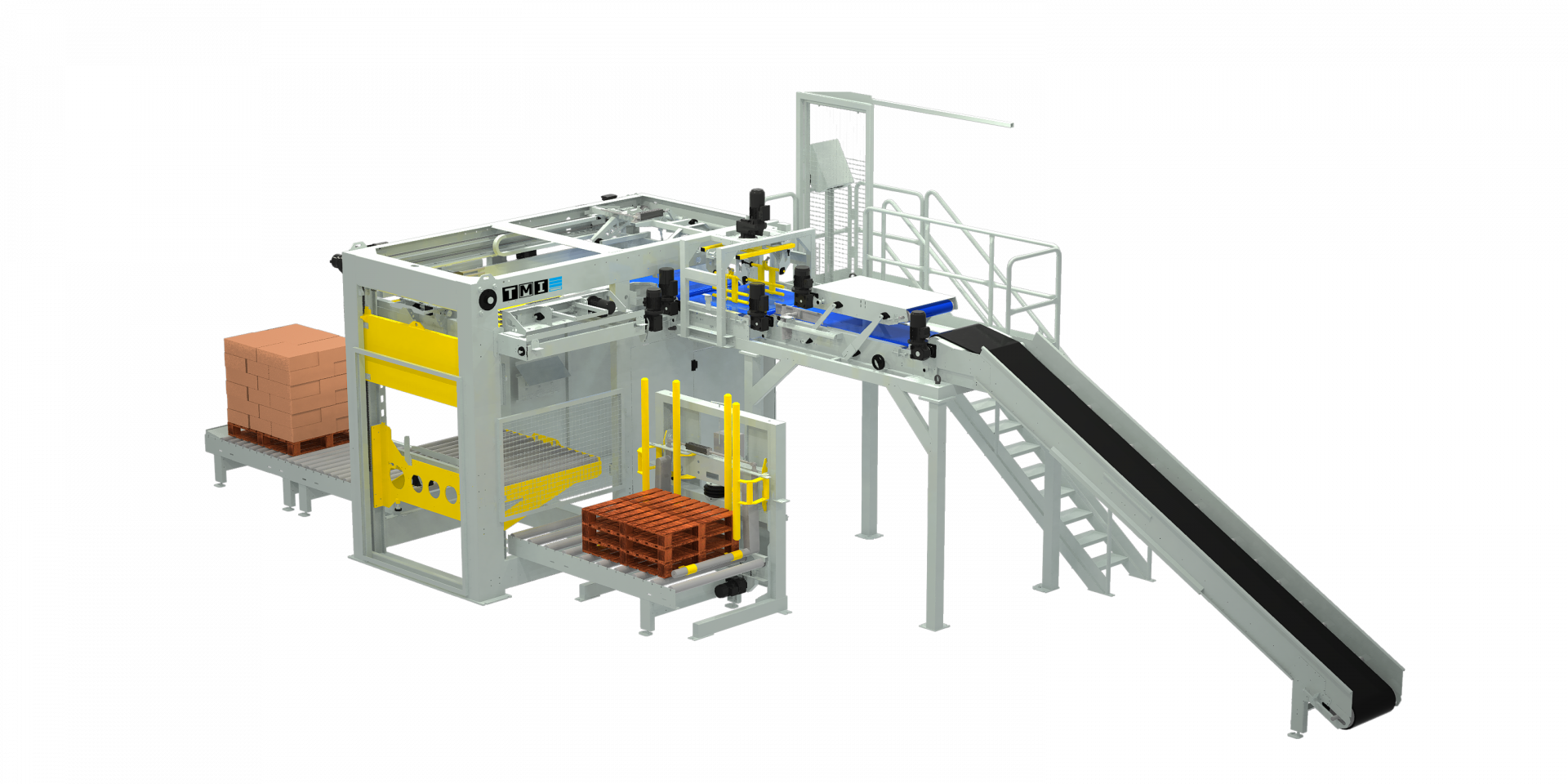
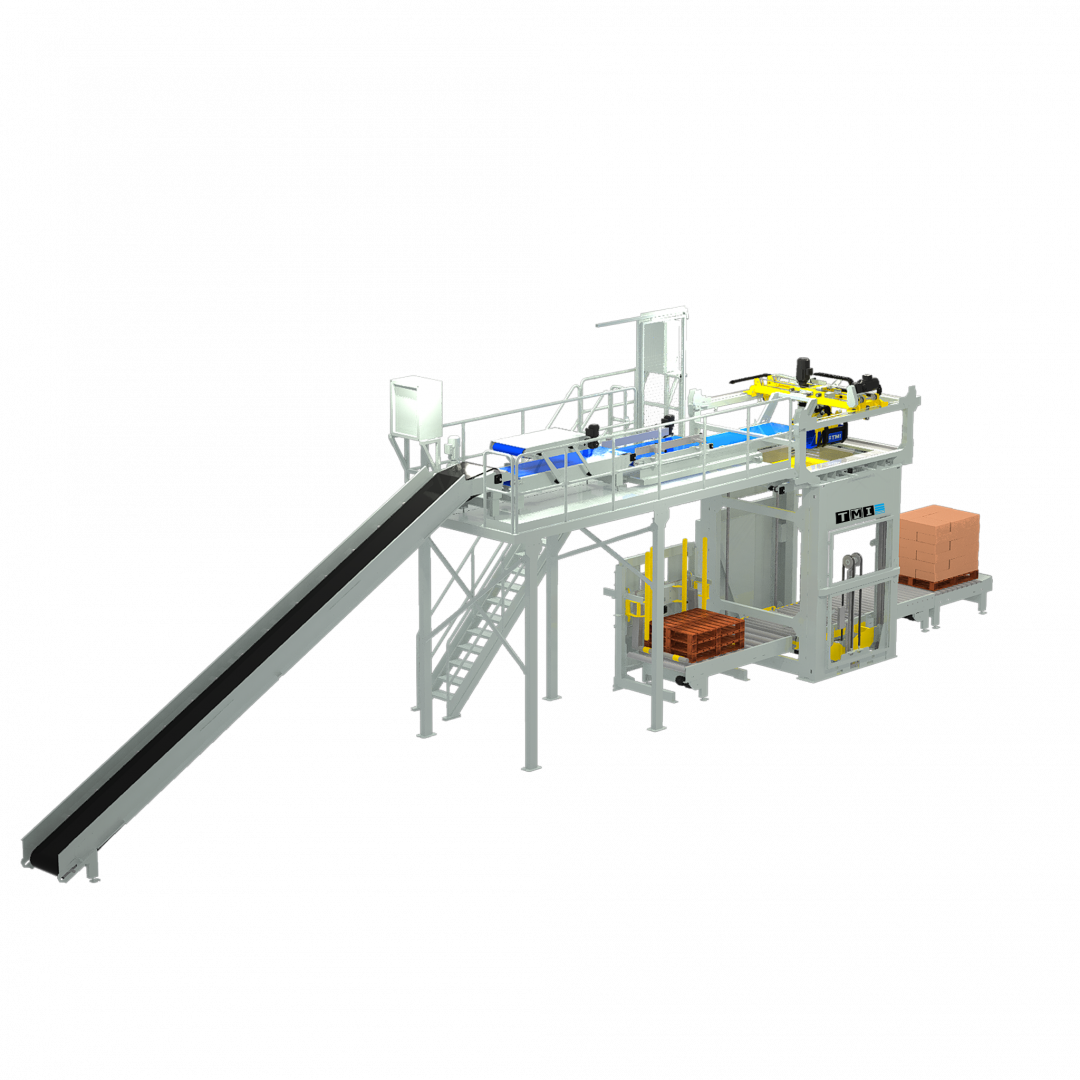
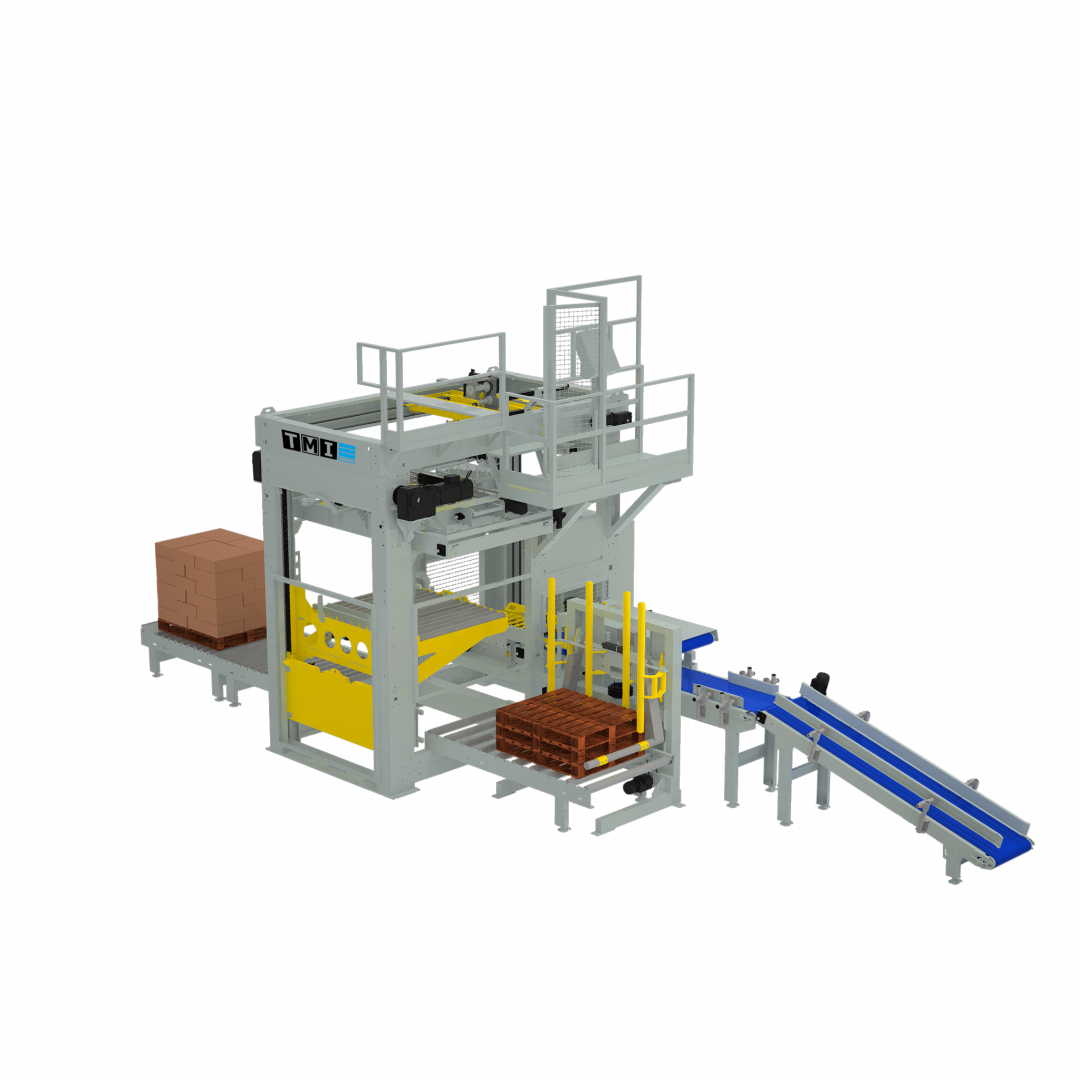

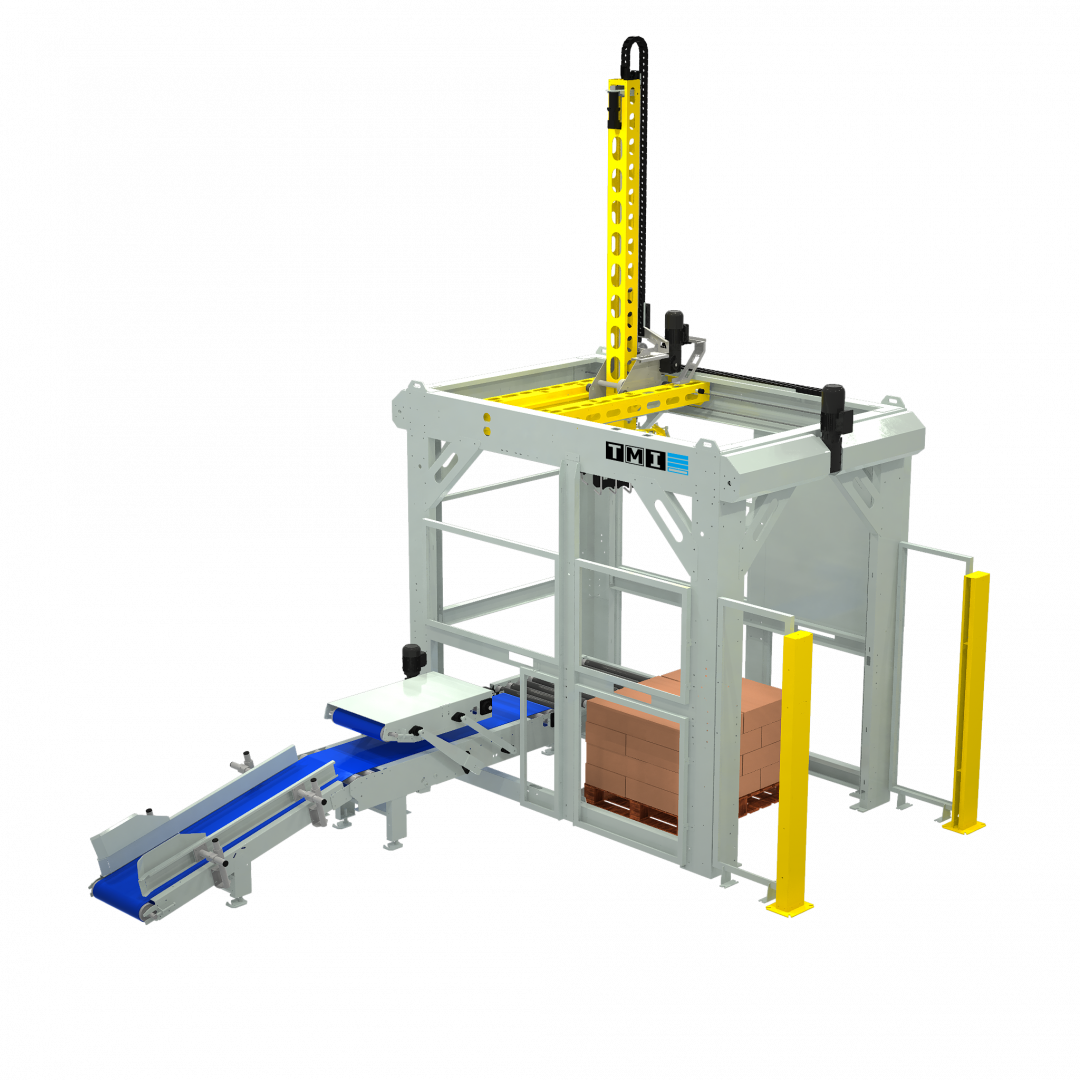
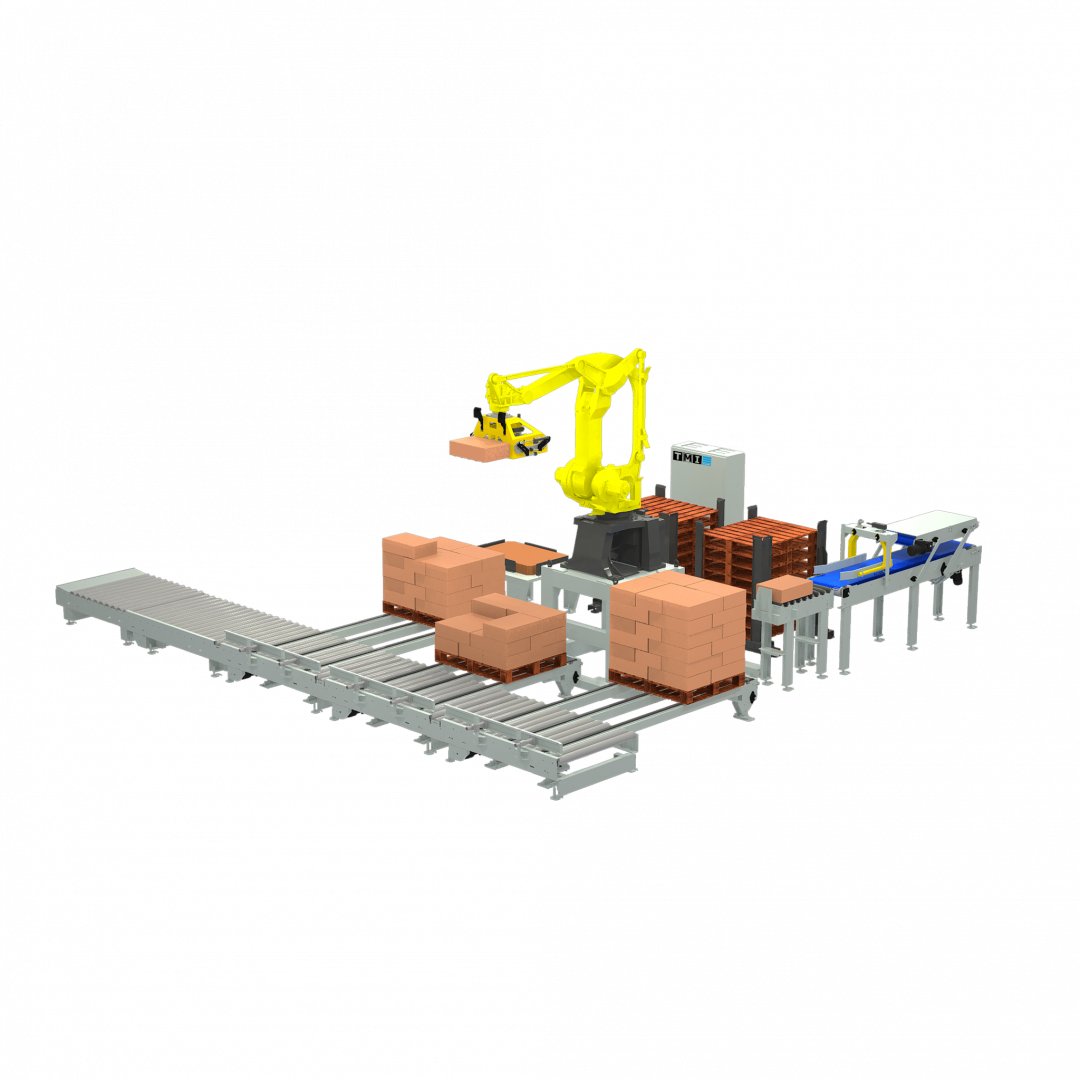
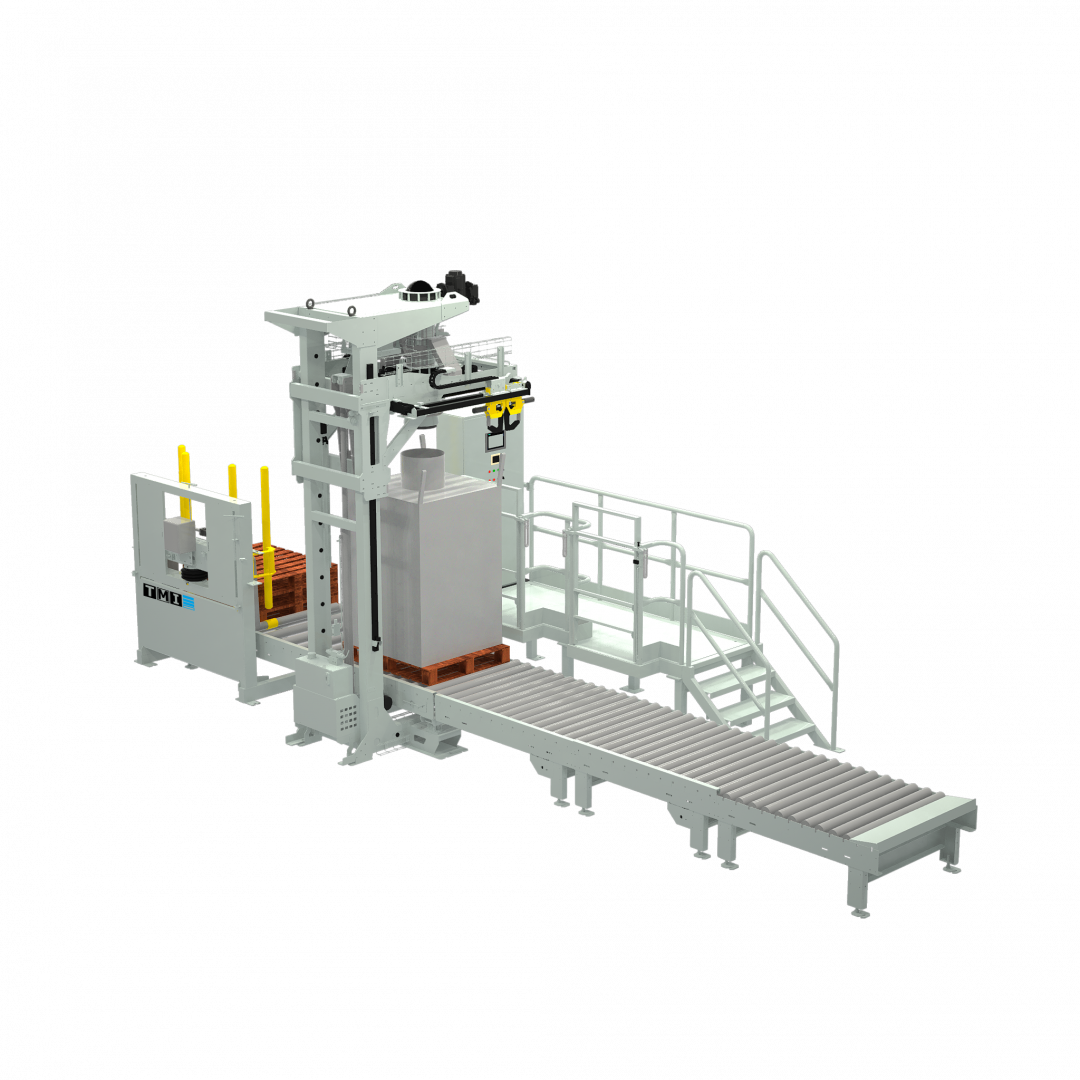
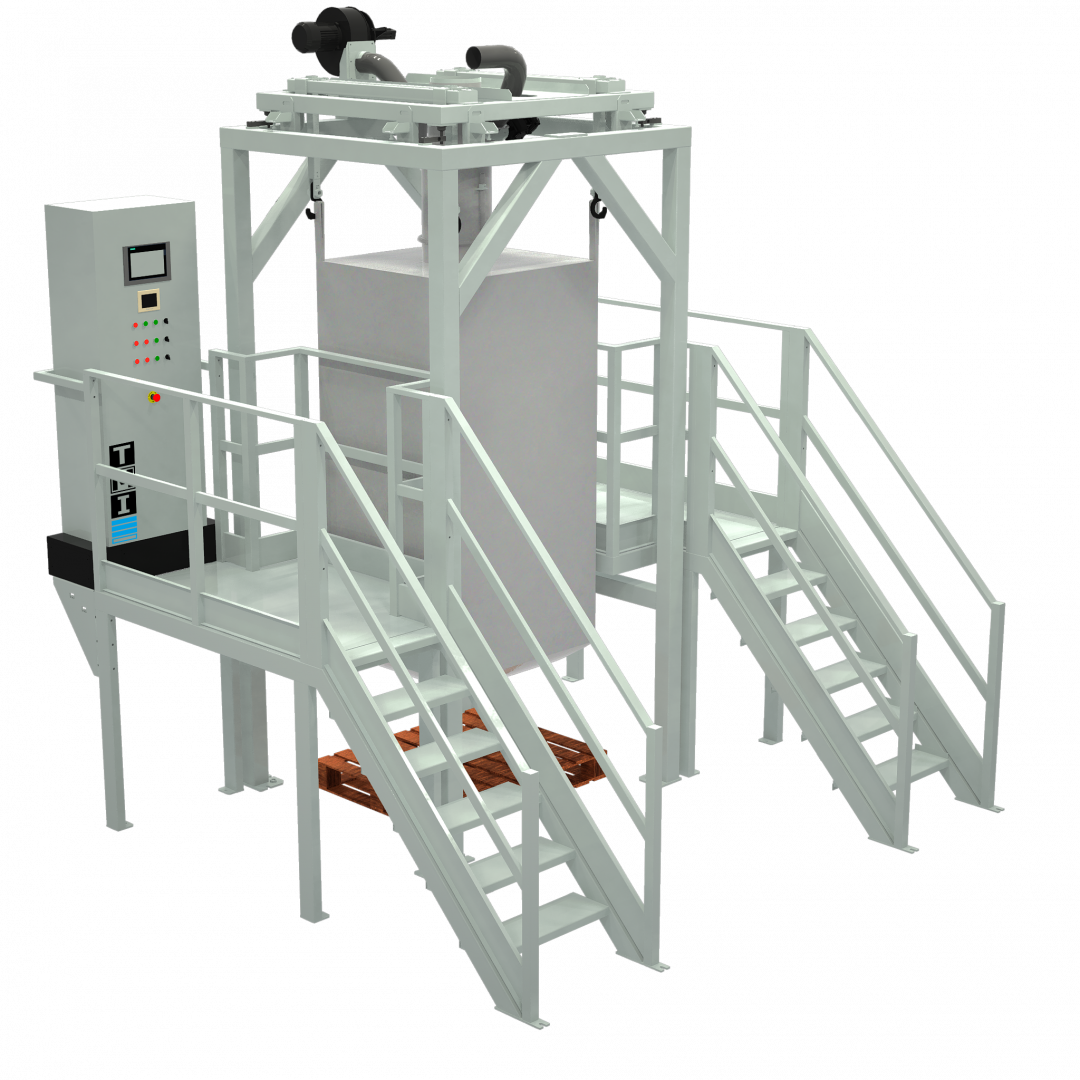
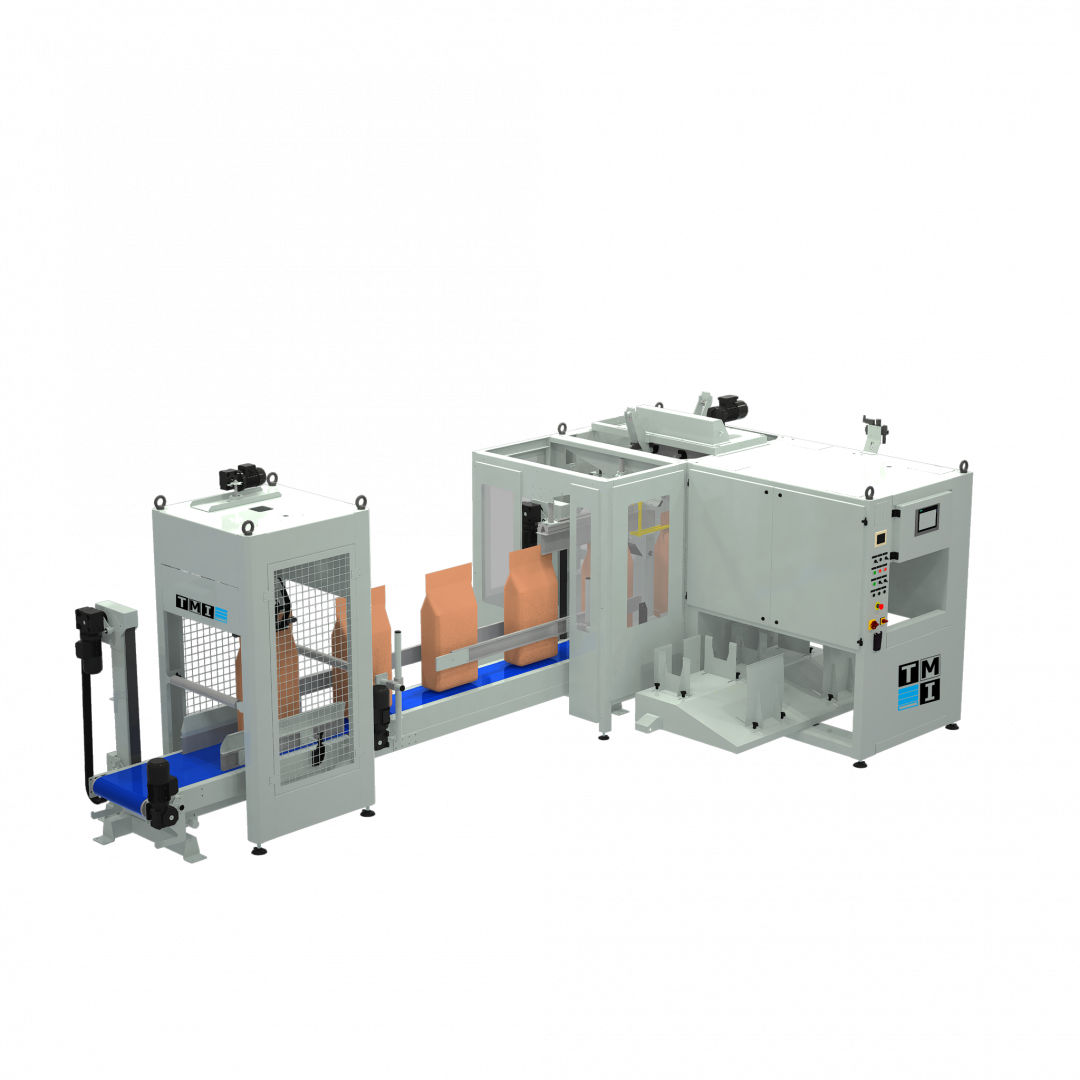
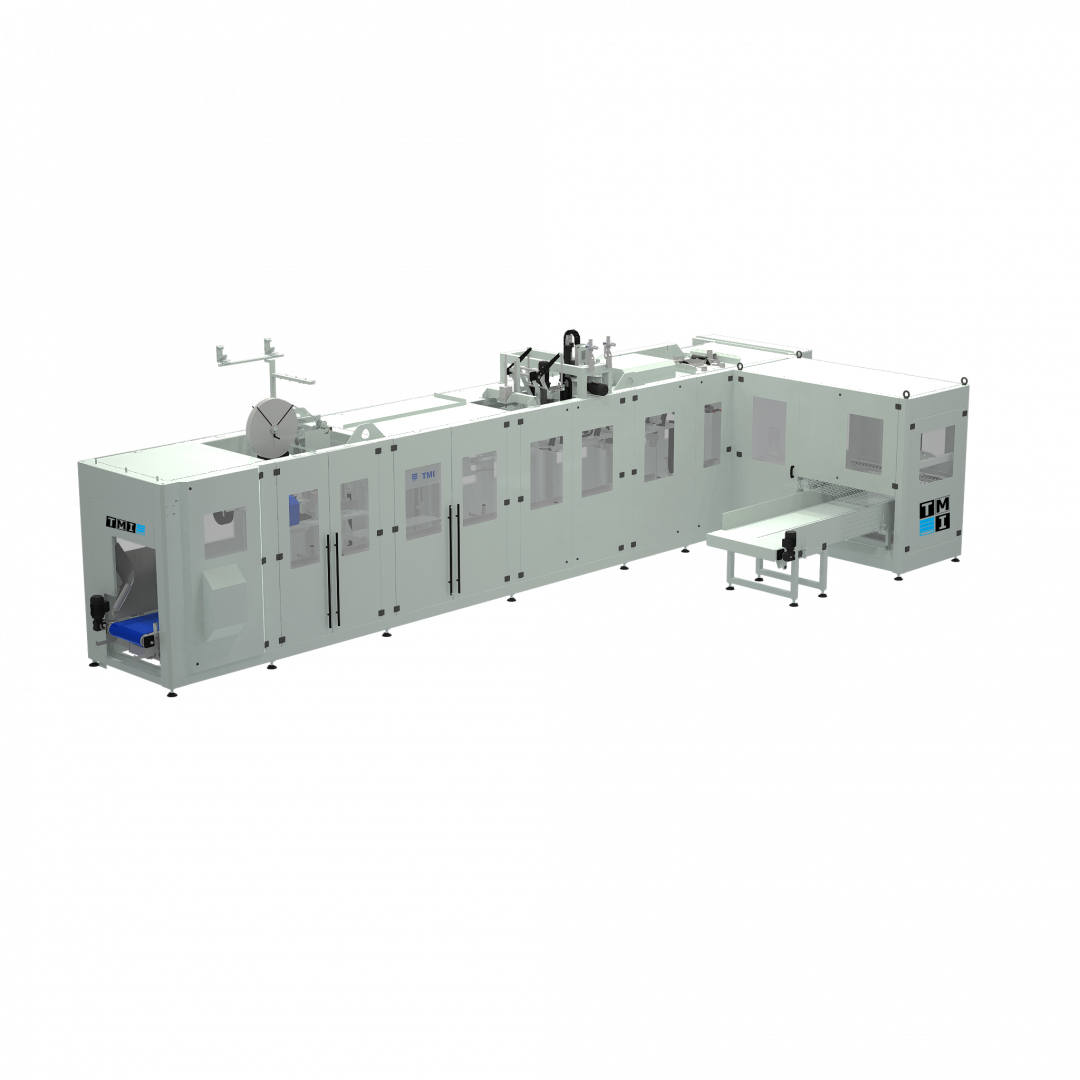
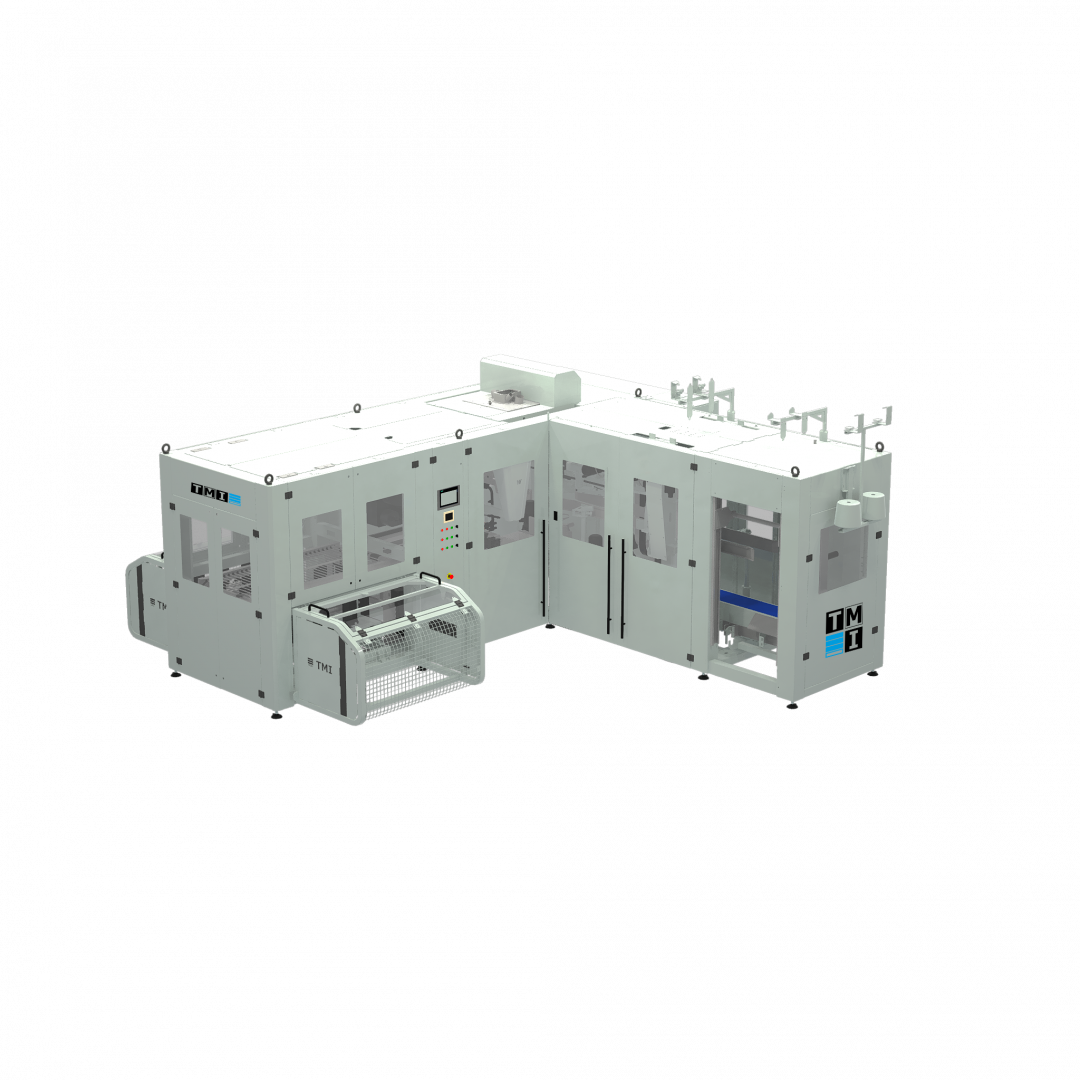
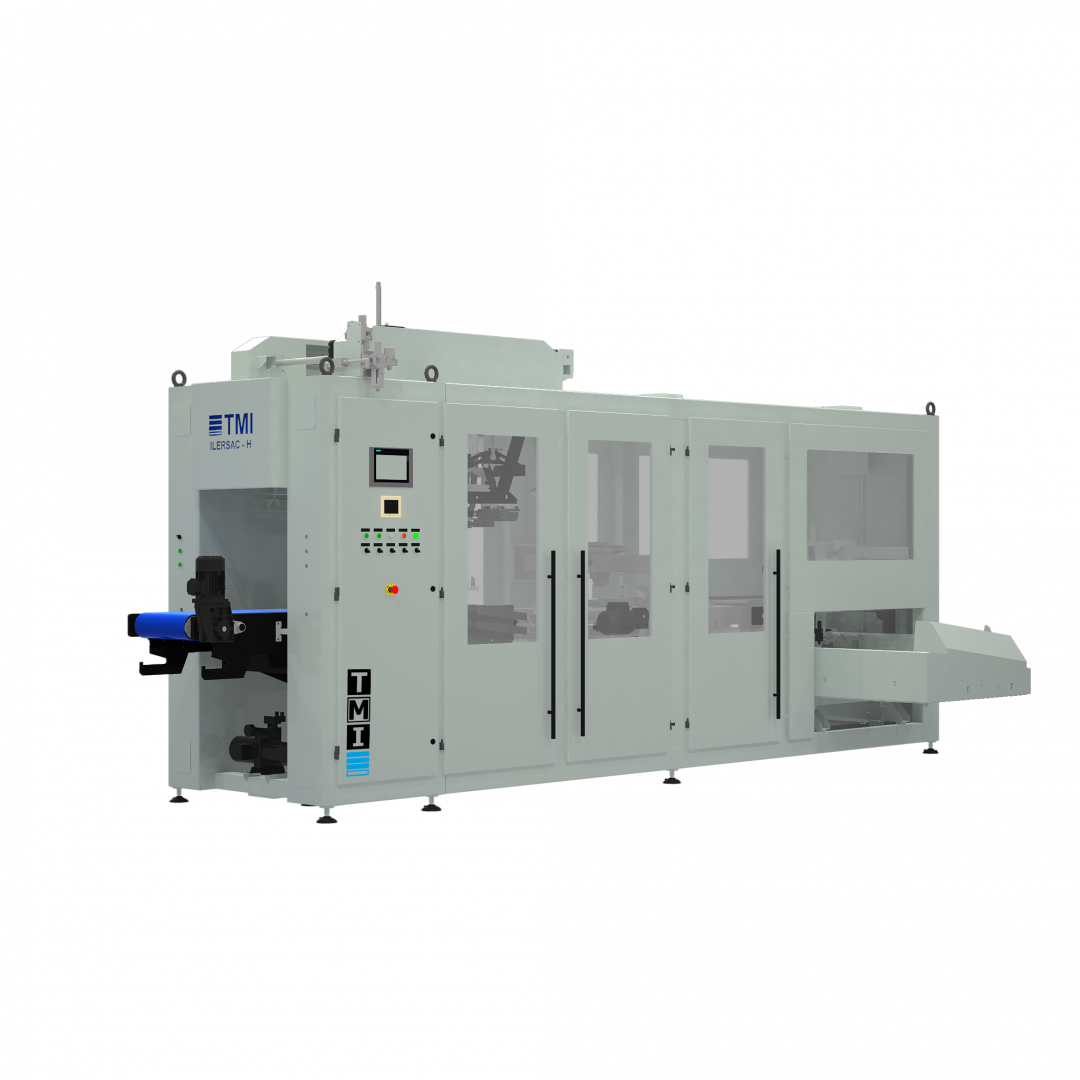
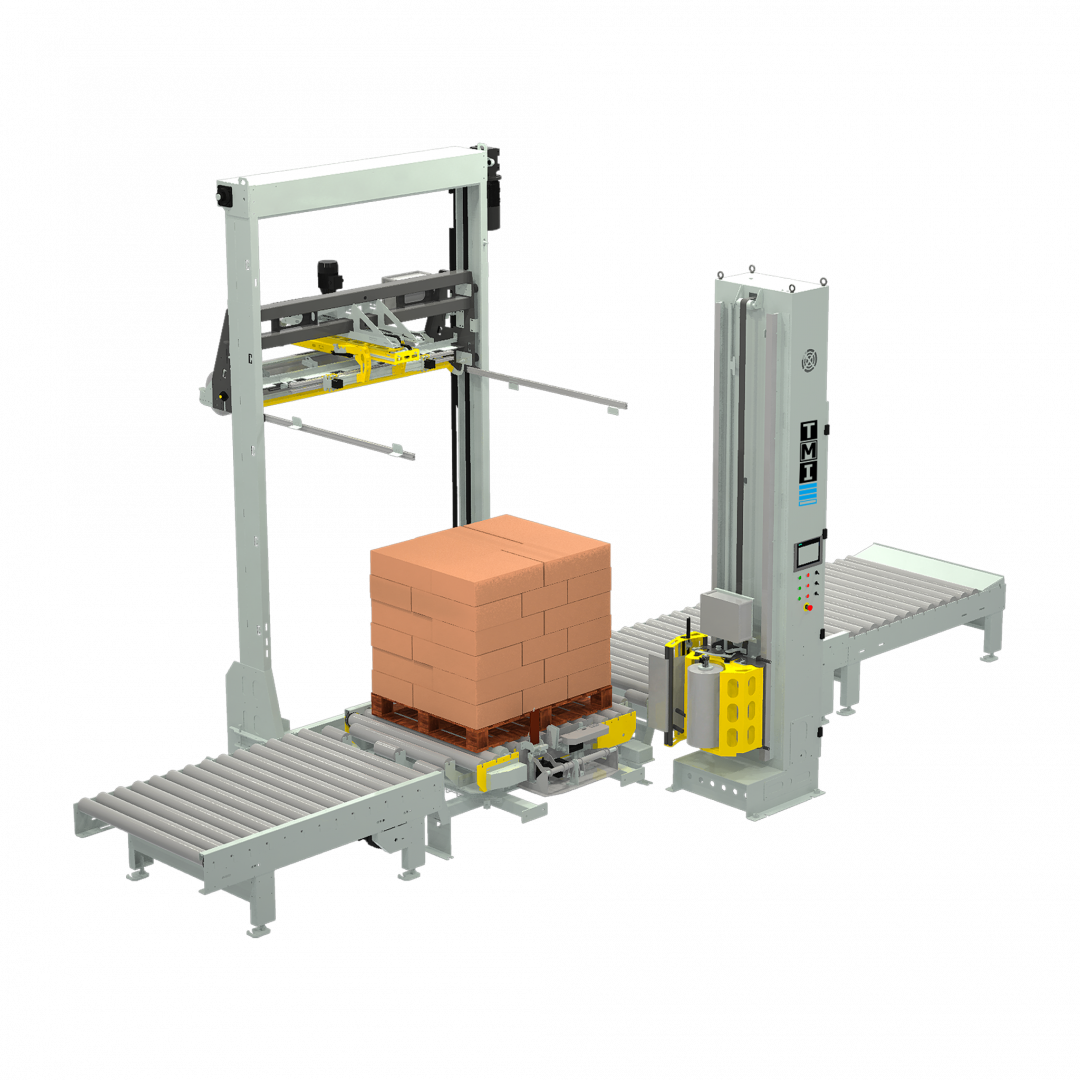
From a physical standpoint, automatic bagging machines typically require more floor space, as they incorporate additional modules for bag retrieval, opening and positioning. Although compact configurations are available [JV1] , the impact on the layout must be assessed in detail within the overall end-of-line project.
It is also important to consider the human factor. An automatic system requires a qualified operator to ensure the line operates correctly. Experience shows that the optimal performance of a system depends largely on the technical knowledge of the team operating it.
Finally, the greater mechanical and control complexity implies proper planning of preventive maintenance. More mechanisms and drives mean more critical points that must be managed correctly throughout the machine's lifecycle. This aspect is not necessarily a drawback, but it is a factor that must be taken into account in the overall project analysis.
In which cases is it advisable to install an automatic bagging machine?
There is no universal threshold determining when an automatic bagging machine is essential. The decision depends on a combination of production, economic and strategic factors.
One of the clearest factors is production volume. When demand is in the medium to high range of bags per hour, automation enables consistent output rates that ensure a return on investment through high productivity.
The labour context also plays a role. In regions where labour is scarce or costly, automation can accelerate the return on investment by reducing operational dependency.
In food or hygiene applications, where the aim is to minimise operator contact with the product being bagged as much as possible. Similarly, when working with toxic, abrasive or dusty products, automation serves as a safety measure for workers.
There is also a strategic component. Full automation of bagging conveys an image of efficiency and control that many companies consider part of their industrial positioning.
If the investment is to be made in phases: is it better to automate bagging or palletising first?
This is a common question when the budget does not allow for the complete automation of the end-of-line process in a single stage.
At first glance, it seems logical to automate palletising first: manually moving a 25 kg full sack is more demanding than placing an empty sack. And, in many cases, that argument makes sense.
However, the decision should not be based solely on physical effort. The bagging rate determines the palletising rate, never the other way round. If the bottleneck lies in dosing and filling, automating palletising will not solve the underlying problem.
Furthermore, when the product requires strict hygiene conditions or poses risks to the operator, automating bagging can have a greater impact than automating palletising.
Each project must analyse where the greatest loss of efficiency occurs, what operational risks exist and what the plant's medium-term objective is.
At TMI, we help you automate with a clear strategy.
Automating bagging is a matter of industrial coherence. In some cases, a well-designed semi-automatic solution is sufficient and cost-effective. In others, sustained production, operational safety or growth strategy fully justify an automatic bagging machine.
The manufacturer's role is to assess the customer's production reality and propose the most suitable solution in terms of performance, investment and future prospects, and that is what we do at TMI.
By: David Padullés, Sales Director at TMI
Source: TMI
You could be interested: TMI and HS Automation Consolidate their International Expansion with the Launch of TMI USA Inc.


About the company

About the company
TMI is a manufacturer of bagging, palletizing and stretch wrapping machinery.
But that' s not all we want to be:
We want to be your partner from the design process of your end-of-line installation, until the start-up is completed, in order to deliver turnkey projects that perfectly fit your company's needs.
We like challenges, and we use our knowledge and engineering skills to undertake complex projects with the maximum guarantee of success. We are pioneers and have a strong commitment to innovation, aiming to provide your complete bagging lines with the latest advances in industrial automation.
We believe in the value of solid relationships and, as your technological allies, we are constantly working towards improving and expanding our technical service network. That way we can offer you the best assistance when you need us.
Because at TMI we know what commitment means, and we want to be always by your side when it comes to your bagging, palletizing and stretch-wrapping machinery.


Videos

Events

Pet Fair South East Asia
28 to 30 October, 2026
Bangkok, Thailand
https://petfair-sea.com/

China International Pet Show (CIPS 2026)
12 to 15 November, 2026
Guangzhou, China
https://en.cipscom.com/

All Pet Food Day
25 November, 2026
Guayaquil, Ecuador
https://allpetfood.net/allpetfoodday2026

IberPet 2027
10 to 12 March, 2027
Madrid, Spain
https://www.ifema.es/en/iberpet

Figan 2027
16 to 19 March, 2027
Zaragoza, Spain
https://www.feriazaragoza.es/en/figan

ZOOMARK 2027
11 to 13 May, 2027
Fair District
https://www.zoomark.it/en/

Pet Fair Asia 2027
18 to 22 August, 2027
Shanghai, China
https://en.petfairasia.com/exhibition/pfa.html

VICTAM 2027
14 to 16 September, 2027
São Paulo, Brazil
https://victamlatam.com/en-us/
Advertising