


4 min reading
Innovative Functional Protein Solutions for the Next Generation of Dry and Wet Pet Food
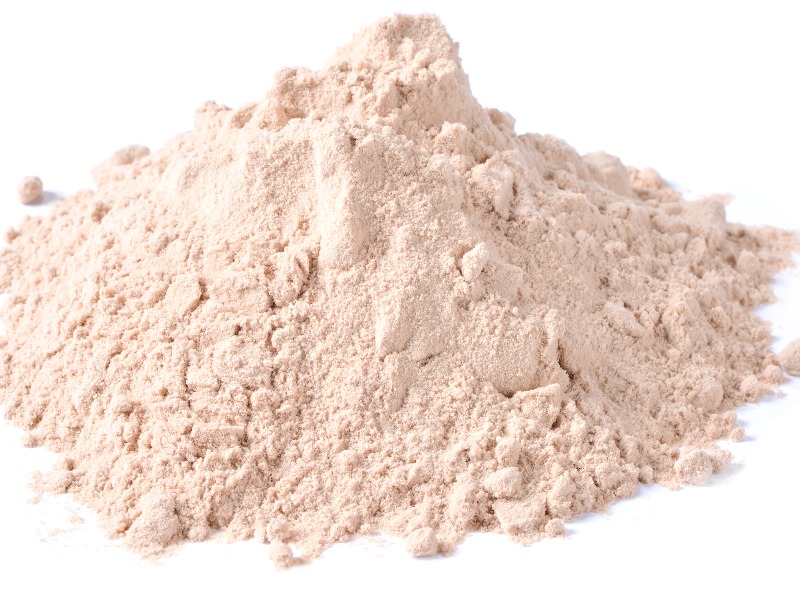
Spray-dried plasma (SDP) has established itself as one of the most versatile and strategic functional ingredients for the pet food industry, delivering benefits that go far beyond nutritional value. Used for decades in wet pet food and, more recently, increasingly incorporated into dry food, treats, and supplements, plasma stands out for combining high protein concentration, excellent digestibility, technological functionality, and bioactive compounds capable of promoting systemic health benefits in animals.
Spray-dried plasma (SDP) has established itself as one of the most versatile and strategic functional ingredients for the pet food industry, delivering benefits that go far beyond nutritional value. Used for decades in wet pet food and, more recently, increasingly incorporated into dry food, treats, and supplements, plasma stands out for combining high protein concentration, excellent digestibility, technological functionality, and bioactive compounds capable of promoting systemic health benefits in animals.
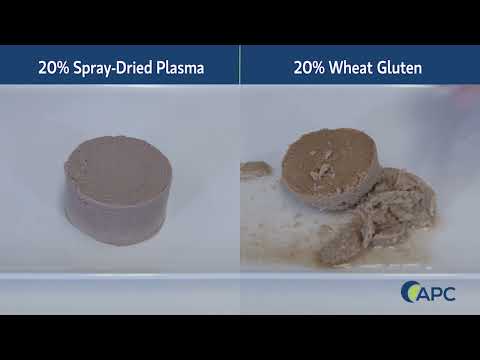
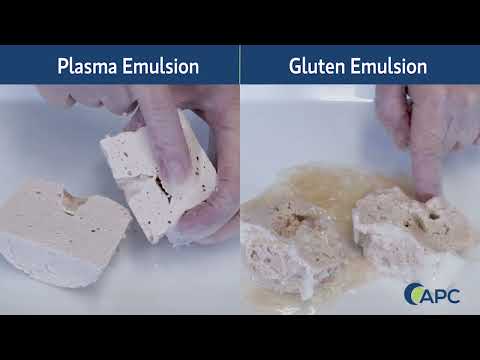
In addition to being a high-quality protein source, plasma provides highly relevant technological properties for industrial processing. In wet pet food applications, for example, it acts as an excellent binder, emulsifier, and gelling agent, directly contributing to texture, stability, and final product appearance. The pet food industry has used plasma in wet formulations for more than 30 years because of its ability to improve water retention, increase chunk consistency, create improved texture, richer gravies, and provide greater juiciness and cohesion to the food.
The studies demonstrate that plasma inclusion significantly improves hardness, elasticity, chewiness, and structural integrity in wet pet food chunks. In fish and salmon applications, for example, a linear increase in hardness and consistency was observed as plasma inclusion levels increased, along with better gravy absorption and greater formulation stability. Compared to traditional ingredients such as wheat gluten, egg albumin, carrageenan, and soy protein concentrate, plasma showed an excellent balance between gel strength, emulsification, and water retention.
Another important aspect is that technological benefits go hand in hand with nutritional improvements. Digestibility studies in cats demonstrated significant improvements in protein, fat, mineral, and energy digestion in diets containing plasma, along with increased palatability. In comparative trials, foods containing plasma were preferred over formulations using wheat gluten and other protein sources, reinforcing plasma's contribution to feed acceptance and the sensory experience for pets.
In dry pet food, plasma also delivers significant results. Its application in kibble, treats, toppers, snacks, and supplements improves both processing quality and the functional benefits of the final product. During extrusion, plasma contributes to greater kibble durability, reduced fines, improved physical structure, and greater stability in formulas containing high levels of fresh meat. The studies showed that inclusion levels between 2.5% and 5% allowed manufacturers to formulate with higher meat content while maintaining excellent kibble durability and starch gelatinization.
In addition, plasma offers high solubility and easy incorporation into different formulations, allowing partial replacement of ingredients such as gluten, egg albumin, and gums, providing both economic and technological advantages. In dry dog food, studies also demonstrated improvements in dry matter and protein digestibility, along with a 10–20% reduction in fecal output, indicating better nutrient utilization and improved stool quality.
Palatability is another major highlight. In comparative studies against spray-dried liver, plasma-containing diets showed a higher consumption ratio in cats when included in extruded formulations. These results indicate that plasma can serve as a highly palatable functional alternative to enhance palatability which may allow alterations in the use of traditional palatants.
However, plasma benefits extend beyond nutrition and processing. The ingredient contains bioactive functional proteins capable of positively modulating immune and inflammatory responses. Several studies have demonstrated that plasma helps maintain intestinal integrity, reduces mucosal permeability, and contributes to immune balance. Reductions in pro-inflammatory cytokines, such as TNF-α, along with increases in IL-10, an important anti-inflammatory cytokine, were observed. These findings indicate improved intestinal barrier function and systemic digestive health support.
Within this context, new studies related to the intestinal microbiome further reinforce plasma's position as a high-value functional ingredient. In adult dogs fed with extruded diets containing plasma, researchers observed a linear increase in short-chain fatty acid (SCFA) production, important markers of beneficial fermentation and positive intestinal microbiota activity. Increases in beneficial bacteria, such as Lactobacillus, Streptococcus, and Catenibacterium, were also observed, along with reductions in metabolites associated with undesirable protein fermentation, indicating a healthier intestinal environment.
Another relevant finding was the increase in fecal IgA, suggesting improved intestinal immune homeostasis and stronger mucosal immunity. The study concluded that plasma promotes consistent, inclusion-dependent positive responses, contributing to intestinal health, microbiome modulation, and improved protein metabolism efficiency.
Recent studies have also expanded the potential application of plasma for joint health and mobility formulations targeting senior dogs. In dogs with osteoarthritis fed diets containing 4% plasma, significant improvements in mobility and reductions in lameness scores were observed after 42 days. In addition, plasma reduced inflammatory markers such as IL-1β and increased IL-10, demonstrating a positive effect on the inflammatory response associated with osteoarthritis.
Supplemented animals also demonstrated greater antioxidant capacity, evidenced by increased SOD (superoxide dismutase) activity and reduced MDA (malondialdehyde) levels, as well as lower levels of MMP-2 and MMP-13, enzymes associated with articular cartilage degradation. At the same time, protein digestibility improved without negatively affecting feed intake or fecal scores. These results demonstrate that plasma can serve as a strategic functional ingredient in senior dog diets, contributing to mobility, joint health, inflammatory control, and antioxidant support.
Another important ingredient is the spray-dried red blood cells in pet food. Spray-dried red blood cells emerge as a functional solution that combines natural coloration and highly digestible protein in a single ingredient. Their main application is related to creating a natural meat-like color in dry and wet pet foods, helping reduce or eliminate artificial colorants while delivering a more natural and premium appearance to formulations.
In dry pet food, color intensity progressively increases according to inclusion level, providing kibble with a more meat-like appearance. In pâté-like wet pet food, red blood cells intensify the natural meat appearance and enhance the visual authenticity of the final product. Beyond visual appeal, the ingredient also provides highly digestible protein and an excellent amino acid profile, including high levels of lysine, leucine, and valine.
Overall, both spray-dried plasma and spray-dried red blood cells represent a new generation of functional ingredients for pet food, capable of combining processing technology, nutritional value, intestinal health, systemic functionality, and premium appeal into a single component. The studies presented reinforce that these ingredients offer complete solutions for the industry, meeting current demands for more functional, natural, efficient formulations aligned with trends in animal health and wellness.

Marketplace

By Dr. Joy Campbell, Senior Director of Global Pet Food Technical Services, APC
Source: All Pet Food Magazine
You could be interested: Jerry Frankl on Innovation, Growth and APC’s Commitment to Customers


About the company

About the company
Our history dates back more than 35 years, when our scientists discovered the powerful role that functional plasma-derived proteins play in maintaining the immune function of animals.
Since then, we have obtained extraordinary, consistent and effective results.
Spray-dried plasma (SDP) and red blood cell products are used in animal feed and other industries to add value through their unique properties that positively impact billions of animals each year.


25/03/2026
New Research: Plasma Positively Impacts Mobility-Related Outcomes in Adult Dogs
09/03/2026
Gut Helath: What Does Science Say About the Microbiome and the Role of Plasma in Pets?
10/02/2026
Plasma: The Functional, Natural Miracle Ingredient for Dogs and Cats!

Videos
Next videos


Events

SINPET 2026
15 to 16 October, 2026
Porto Alegre, Brazil
https://www.instagram.com/sinpet2026/

FIGAP 2026
21 to 23 October, 2026
Guadalajara, Jalisco, Mexico
https://figap.com/

Pet Fair South East Asia
28 to 30 October, 2026
Bangkok, Thailand
https://petfair-sea.com/

China International Pet Show (CIPS 2026)
12 to 15 November, 2026
Guangzhou, China
https://en.cipscom.com/

All Pet Food Day
25 November, 2026
Guayaquil, Ecuador
https://allpetfood.net/allpetfoodday2026

IberPet 2027
10 to 12 March, 2027
Madrid, Spain
https://www.ifema.es/en/iberpet

Figan 2027
16 to 19 March, 2027
Zaragoza, Spain
https://www.feriazaragoza.es/en/figan

ZOOMARK 2027
11 to 13 May, 2027
Fair District
https://www.zoomark.it/en/

Pet Fair Asia 2027
18 to 22 August, 2027
Shanghai, China
https://en.petfairasia.com/exhibition/pfa.html

VICTAM 2027
14 to 16 September, 2027
São Paulo, Brazil
https://victamlatam.com/en-us/
Advertising

