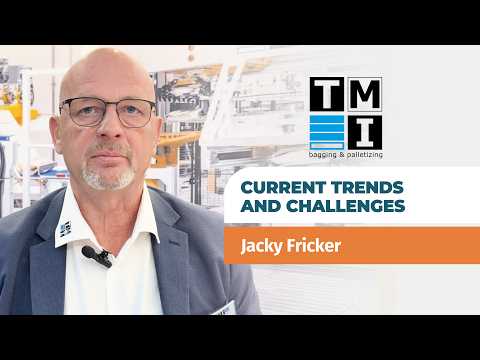
TMI Bagging & Palletizing
https://www.tmipal.com/esAbout
TMI is a manufacturer of bagging, palletizing and stretch wrapping machinery.
But that' s not all we want to be:
We want to be your partner from the design process of your end-of-line installation, until the start-up is completed, in order to deliver turnkey projects that perfectly fit your company's needs.
We like challenges, and we use our knowledge and engineering skills to undertake complex projects with the maximum guarantee of success. We are pioneers and have a strong commitment to innovation, aiming to provide your complete bagging lines with the latest advances in industrial automation.
We believe in the value of solid relationships and, as your technological allies, we are constantly working towards improving and expanding our technical service network. That way we can offer you the best assistance when you need us.
Because at TMI we know what commitment means, and we want to be always by your side when it comes to your bagging, palletizing and stretch-wrapping machinery.
Products

Company News
 Bagging
4+ MIN
05/06/2026
When Does it Make Sense to Automate a Bagging Process?
What is an automatic bagging machine?
An automatic bagging machine is a packaging machine whose ultimate objective is the same: to measure out precise quantities of solid products and place them into bags.
The main difference is that the automatic bagging machine does this without human intervention. In other words, in an automatic system, the machine handles all stages: picking up the empty bag, opening it, positioning it, filling it, sealing it and moving it on to the palletiser.
It is worth noting that weighing and dosing are automatic in both semi-automatic and automatic systems. The difference lies in the handling of the bag.
In these cases, the operator moves from performing repetitive physical tasks to carrying out supervisory duties and replenishing consumables.
This technological leap involves greater mechanical and control complexity, but also a profound transformation in the dynamics of the workstation and the production capacity of the line.
Advantages and disadvantages of automatic bagging machines.
Benefits of automatic bagging machines.
Full automation of bagging transforms the operational logic of the workstation. This continuity reduces variability and allows for consistent rhythms to be maintained even during sustained production runs.
By stabilising the bagging point, line performance is optimised, which has a direct impact on productivity and planning capacity.
Another key aspect is the reorganisation of the operator's role. Instead of physically intervening in every cycle, a single person can supervise the system and manage the supply of consumables (empty sacks, sewing thread or other items), devoting more time to process control than to mechanical execution.
From a health and safety perspective, automation also offers clear advantages. By reducing direct handling of the product and the bag, exposure to dust, repetitive physical strain or unnecessary contact with sensitive materials is significantly reduced. The result is a cleaner and safer working environment.
Finally, monitoring the position of the bag throughout its journey ensures greater precision in filling and sealing. This continuous monitoring reduces errors, improves the quality of the finish and brings greater consistency to the entire process.
Limitations of automatic bagging machines.
However, full automation also entails certain technical and financial requirements.
The initial investment is higher than that of a semi-automatic bagging machine, which can delay the return on investment if the production volume does not justify the technological leap. Therefore, the decision must be based on actual data regarding production capacity, labour costs and growth projections.
From a physical standpoint, automatic bagging machines typically require more floor space, as they incorporate additional modules for bag retrieval, opening and positioning. Although compact configurations are available [JV1] , the impact on the layout must be assessed in detail within the overall end-of-line project.
It is also important to consider the human factor. An automatic system requires a qualified operator to ensure the line operates correctly. Experience shows that the optimal performance of a system depends largely on the technical knowledge of the team operating it.
Finally, the greater mechanical and control complexity implies proper planning of preventive maintenance. More mechanisms and drives mean more critical points that must be managed correctly throughout the machine's lifecycle. This aspect is not necessarily a drawback, but it is a factor that must be taken into account in the overall project analysis.
In which cases is it advisable to install an automatic bagging machine?
There is no universal threshold determining when an automatic bagging machine is essential. The decision depends on a combination of production, economic and strategic factors.
One of the clearest factors is production volume. When demand is in the medium to high range of bags per hour, automation enables consistent output rates that ensure a return on investment through high productivity.
The labour context also plays a role. In regions where labour is scarce or costly, automation can accelerate the return on investment by reducing operational dependency.
In food or hygiene applications, where the aim is to minimise operator contact with the product being bagged as much as possible. Similarly, when working with toxic, abrasive or dusty products, automation serves as a safety measure for workers.
There is also a strategic component. Full automation of bagging conveys an image of efficiency and control that many companies consider part of their industrial positioning.
If the investment is to be made in phases: is it better to automate bagging or palletising first?
This is a common question when the budget does not allow for the complete automation of the end-of-line process in a single stage.
At first glance, it seems logical to automate palletising first: manually moving a 25 kg full sack is more demanding than placing an empty sack. And, in many cases, that argument makes sense.
However, the decision should not be based solely on physical effort. The bagging rate determines the palletising rate, never the other way round. If the bottleneck lies in dosing and filling, automating palletising will not solve the underlying problem.
Furthermore, when the product requires strict hygiene conditions or poses risks to the operator, automating bagging can have a greater impact than automating palletising.
Each project must analyse where the greatest loss of efficiency occurs, what operational risks exist and what the plant's medium-term objective is.
At TMI, we help you automate with a clear strategy.
Automating bagging is a matter of industrial coherence. In some cases, a well-designed semi-automatic solution is sufficient and cost-effective. In others, sustained production, operational safety or growth strategy fully justify an automatic bagging machine.
The manufacturer's role is to assess the customer's production reality and propose the most suitable solution in terms of performance, investment and future prospects, and that is what we do at TMI.
By: David Padullés, Sales Director at TMI
Source: TMI
 Automation
4+ MIN
11/05/2026
Greater Efficiency, Less Space: The Rise of Compact Palletising
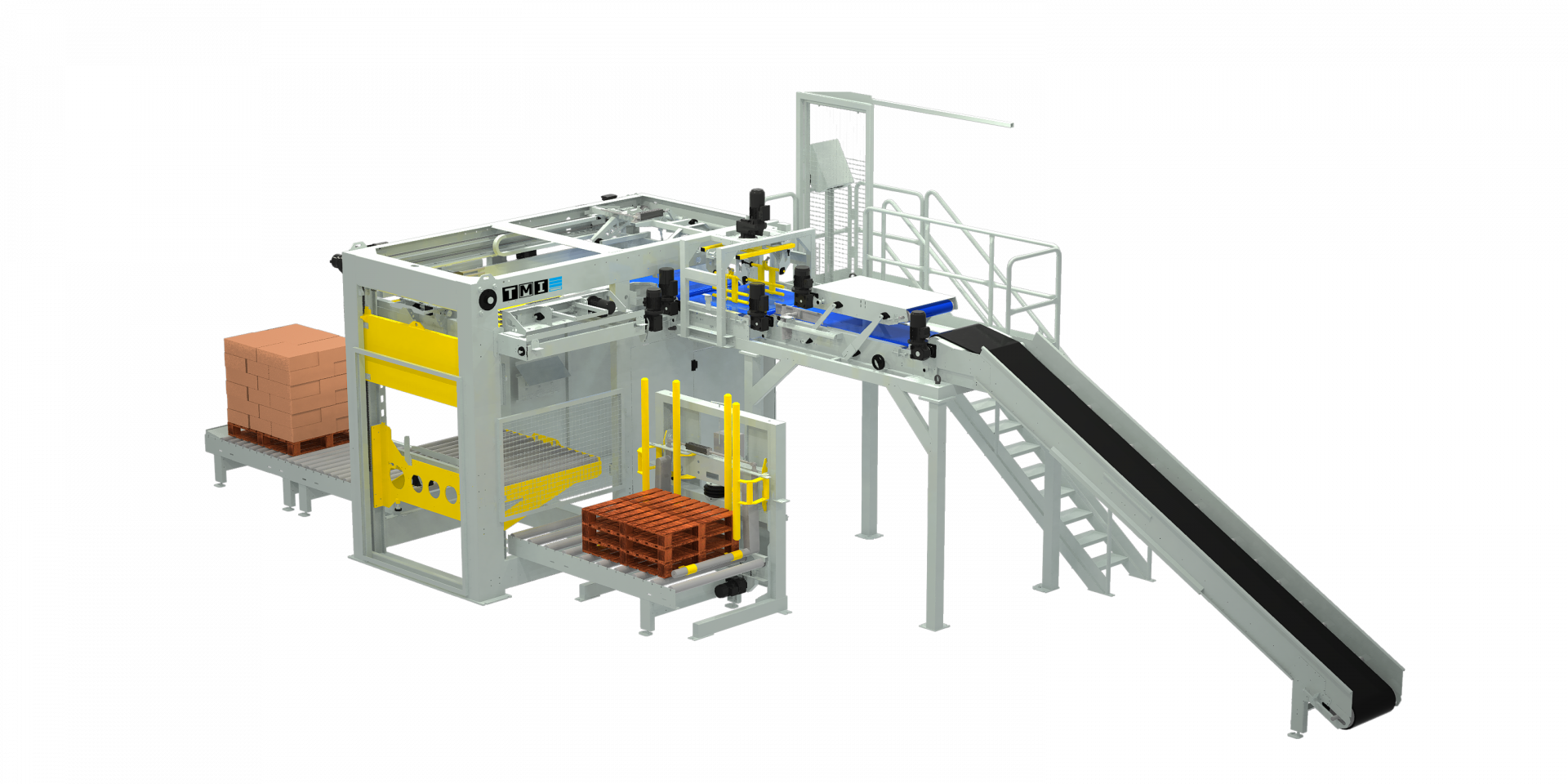
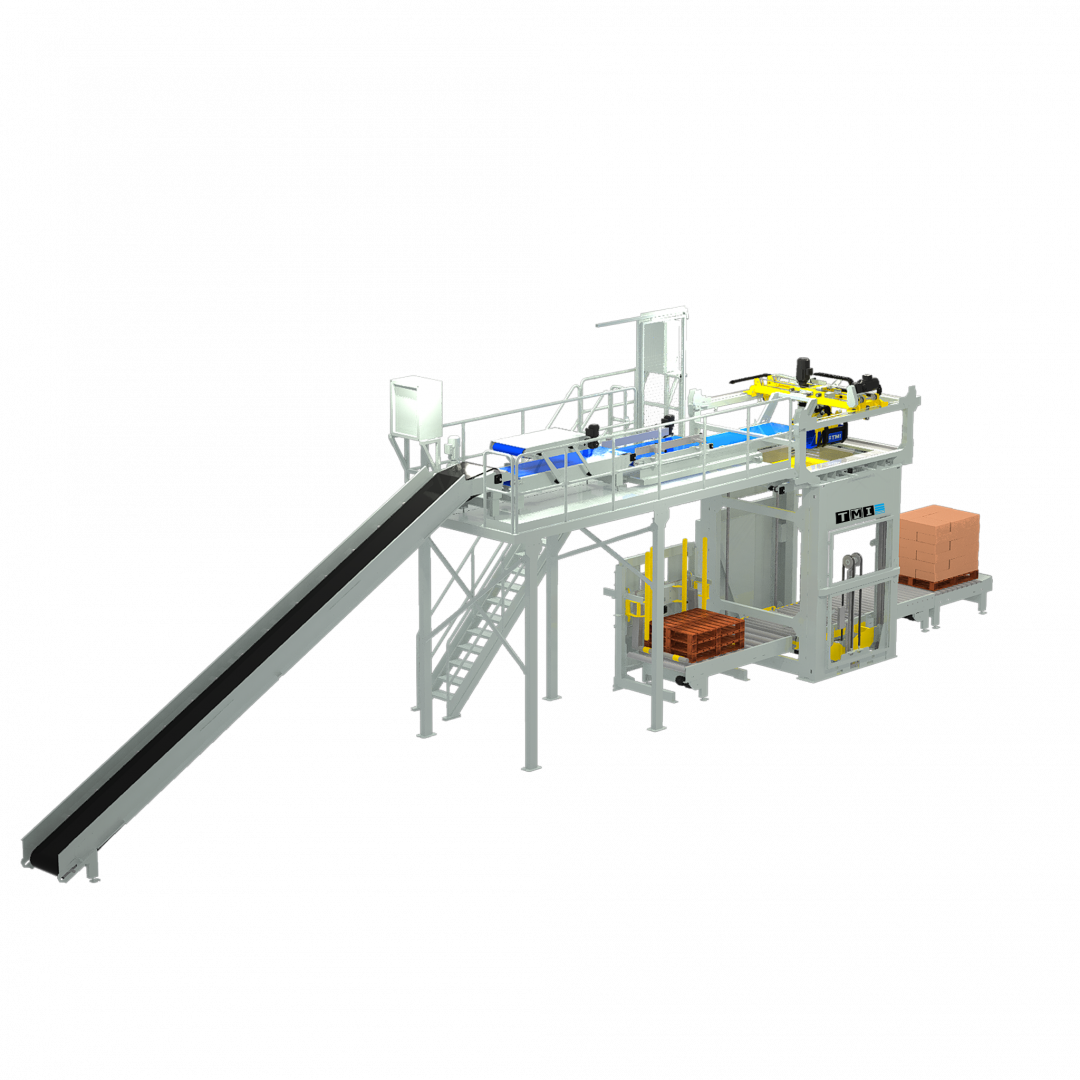
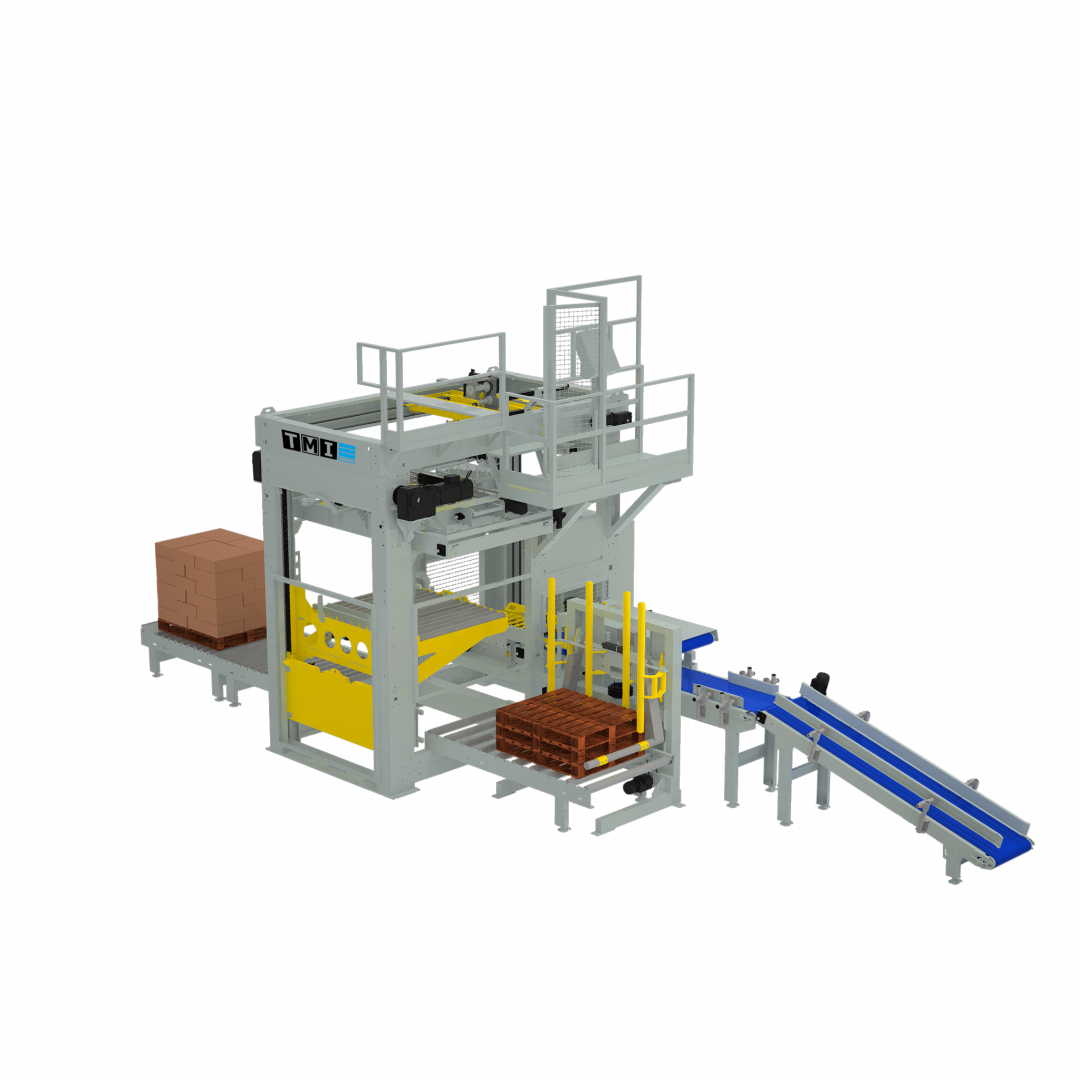
Compact palletising has emerged as a response to this reality: automating the stacking of sacks in confined spaces without compromising stability, productivity or pallet quality. In this article, we analyse the technical fundamentals, competitive advantages and operational impact of compact palletising, showing you some examples of solutions proposed by TMI.
What is a compact palletising system?
Compact palletising refers to automated configurations designed to minimise industrial floor space without sacrificing essential functionalities: controlled handling, configurable patterns, compaction, and the ability to integrate wrappers, accumulation tables or empty load modules.
In other words, the aim is to design automated configurations capable of maintaining positioning accuracy and structural stability, whilst reducing the system's footprint.
These are typically flexible, pre-assembled, modular and scalable configurations that allow for high OEE without taking up more space than necessary.
This type of solution is particularly relevant in scenarios such as:
Plant conversions where it is not possible to expand floor space.
Lines with multiple inputs that require decentralised palletising.
Medium-speed processes (500–1,500 bags/h) requiring cost-effective yet automated solutions.
Architectural constraints, whether due to headroom, structural columns or operator movement.
Design, operation and safety of compact palletising systems
A compact system must meet the same critical requirements as a conventional palletiser:
Positioning accuracy on the X, Y and Z axes.
Mechanical stability of the palletised load (with layer-forming stops).
Compatibility with different formats, weights and production levels.
Ease of maintenance and technical access.
In this regard, solutions such as the ILERPAL H, ILERPAL L and ILERPAL P embody different approaches within the compact concept.
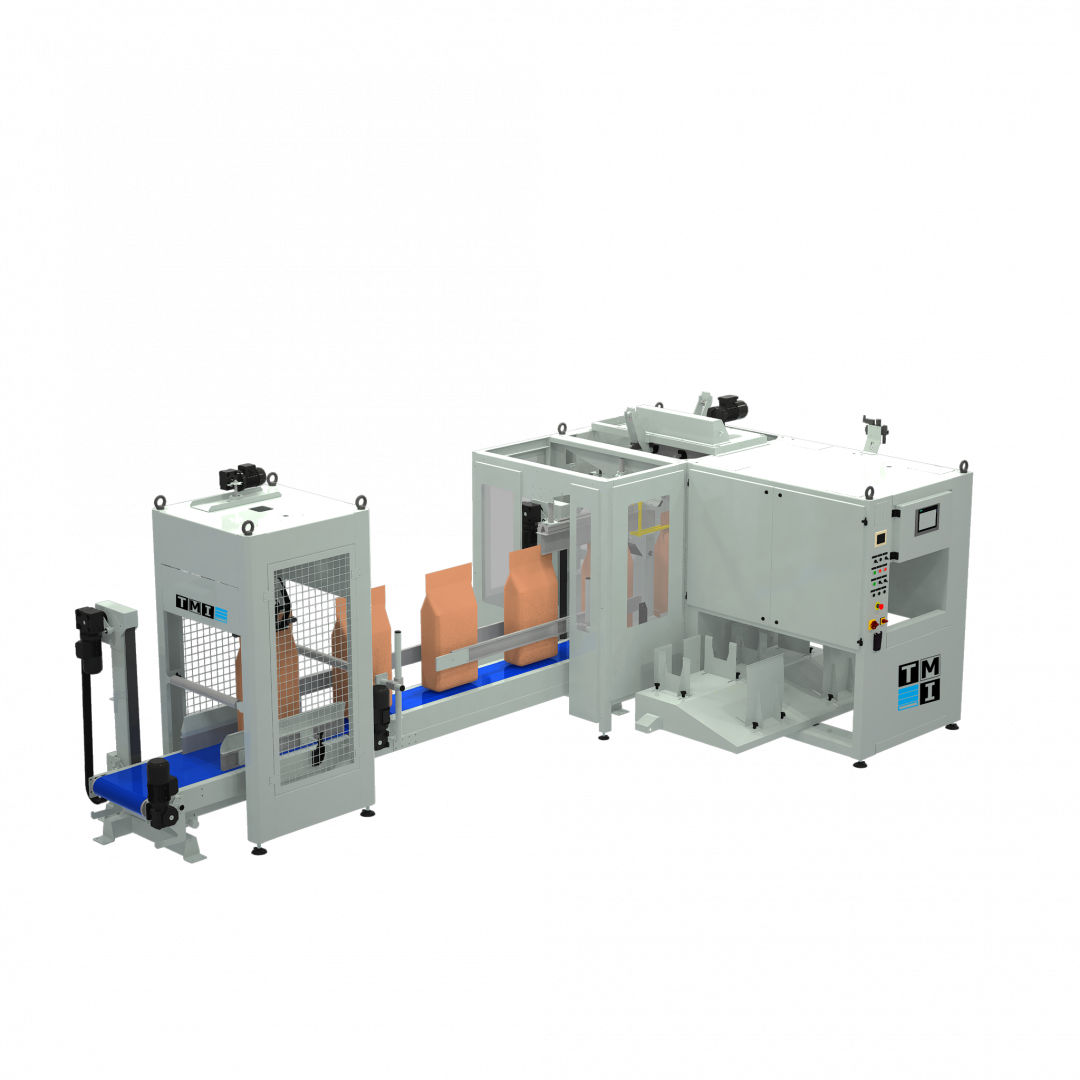
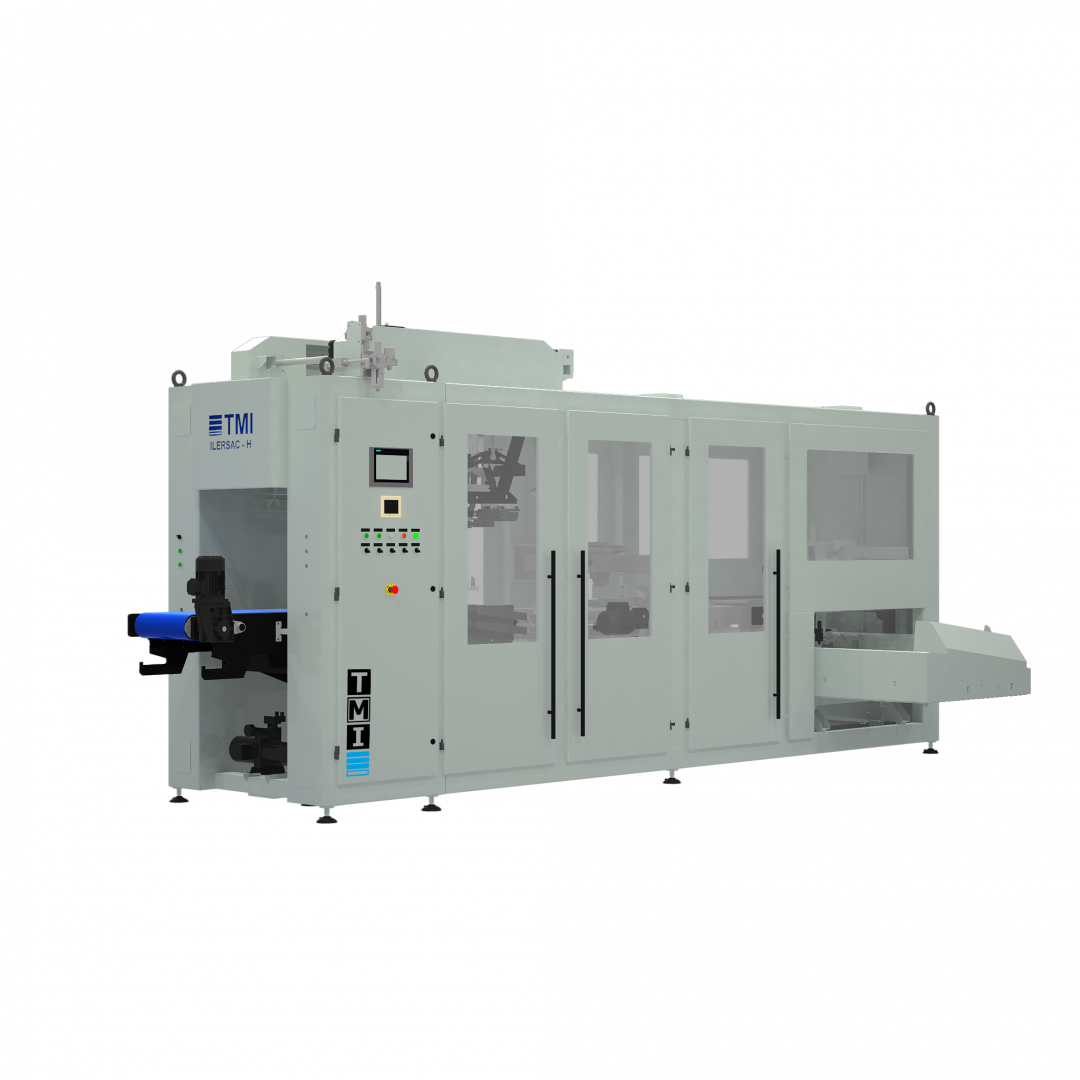
The ILERPAL H model, with a closed structure and vertical bag lifter, allows layer formation and transfer to be integrated into a small space, whilst maintaining high production rates and high-quality finishes.
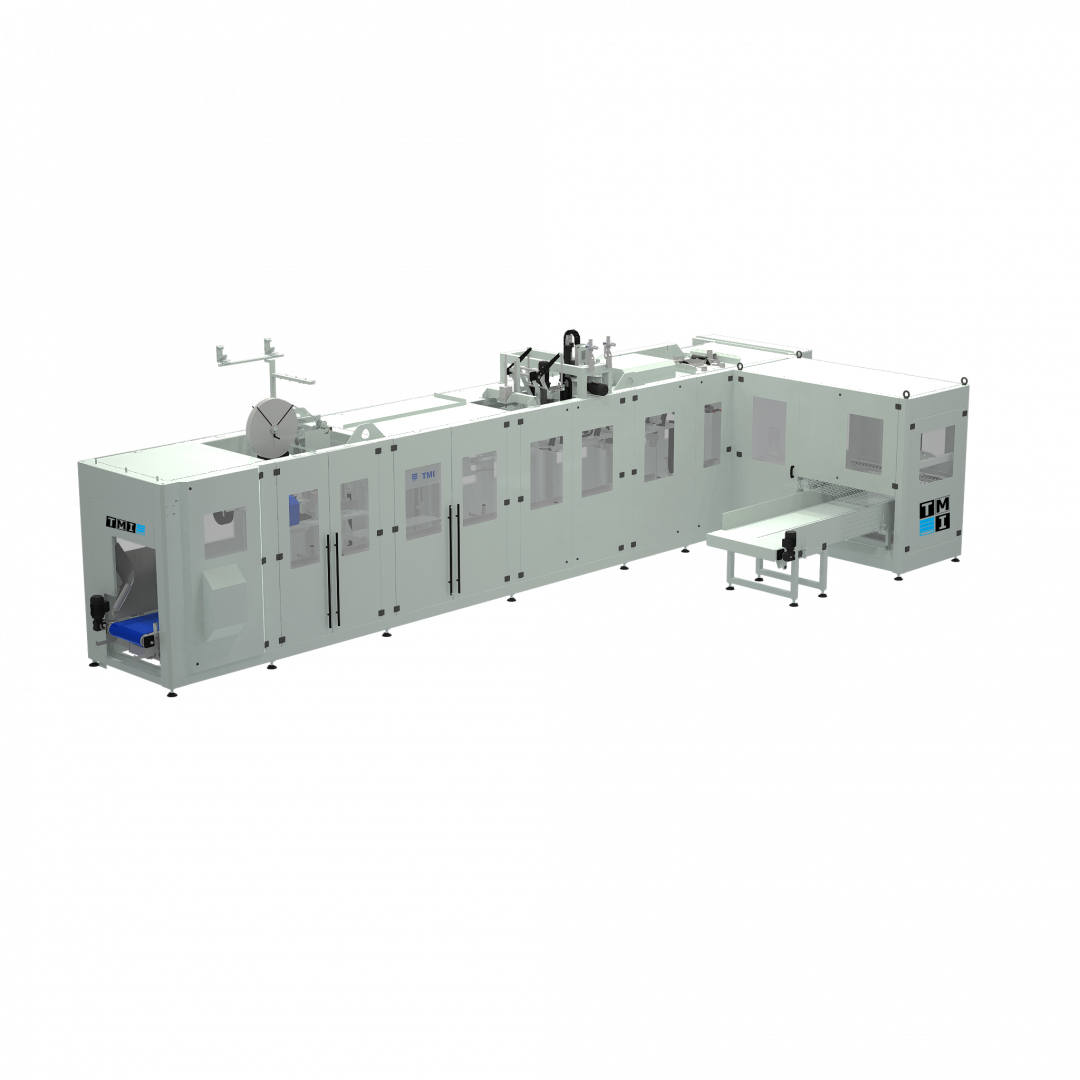
The ILERPAL L, designed in a demountable configuration with low-level pallet loading, is particularly suitable for facilities with limited access or logistical constraints, without compromising on stability or performance.
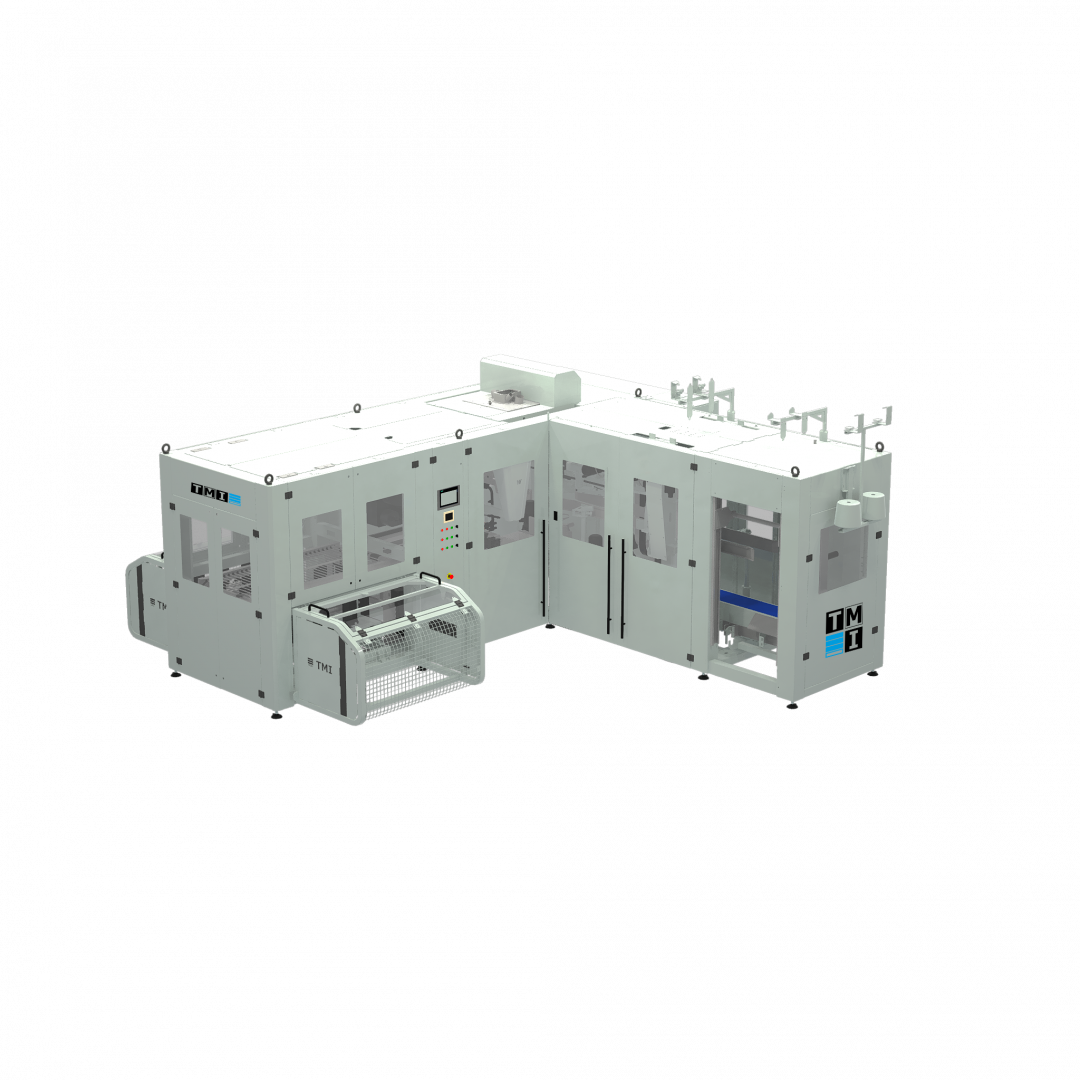
For its part, the ILERPAL P offers a modular architecture that facilitates extremely compact configurations, adapting to plants where space is the main constraint of the project.
Furthermore, all TMI's compact models allow integration with strapping via ILERGIR, enabling the end-of-line cycle to be completed without the need to expand the layout, thereby consolidating a fully automated cell within a minimal footprint.
Advantages of compact palletising over traditional systems
The advantage of compact palletising is not limited to space savings, but has other direct implications for day-to-day operations.
Reduction in the system's total footprint: by reducing floor space by up to 40% compared to traditional configurations with extensive tables and conveyors, space is freed up for circulation, storage or future expansions.
Energy efficiency: by eliminating lifts, heavy chains or auxiliary conveyors, electricity and compressed air consumption is reduced, which has a direct impact on the operational cost per palletising cycle.
Reduced implementation times: the modular nature of these solutions typically results in shorter implementation times. The ability to supply pre-assembled cells reduces the need for civil engineering work and speeds up FAT and SAT validation processes, a decisive factor when production schedules are tight.
High adaptability to format changes: from an operational perspective, recipe management via HMI allows palletising patterns to be changed without manual mechanical adjustments, facilitating adaptation to different SKUs or production batches.
Minimal impact on the existing layout: compact systems are ideal for integration into existing lines without the need for logistical or flow redesign, thereby reducing friction in retrofit or modernisation projects.
TMI's experience with compact palletising
At TMI, we have deployed compact solutions in plants across more than 40 countries, tailoring each cell to the customer's production, space and flow requirements.
The rise of compact palletising is particularly evident in sectors where plant density and operational robustness are critical, for example:
Chemicals and agrochemicals: where mechanical strength and a sealed environment necessitate low-maintenance lines with a closed design.
Ingredients and dry food: frequent batch or SKU changes require versatile, compact and easy-to-clean systems.
Salts and additives: aggressive or dusty products, where structural simplicity and direct access to the maintenance area are critical.
The challenge in these cases is not merely to produce more, but to do so with greater space efficiency, lower energy consumption and greater flexibility in the face of market changes. Integrating compact solutions at the end of the line allows for automation in a small space, optimising the layout without compromising performance.
If you are considering optimising your factory floor space without compromising on productivity and stability, TMI's technical team can help you design a compact palletising solution tailored to your production needs. Find out more about our palletising solutions on our website.
Àngel Pedrós Castany, Product Owner en TMI Bagging & Palletizing.
Source: TMI Bagging & Palletizing
 Bagging
2+ MIN
23/03/2026
TMI and HS Automation Consolidate their International Expansion with the Launch of TMI USA Inc.
As part of this expansion, TMI USA Inc. and HS Automation have completed an Asset Purchase Agreement with Bratcher Bagging Inc., a local company with a solid track record and recognition in the US bagging solutions market.
This is not simply an acquisition, but a strategic integration aimed at strengthening the local market, expanding technical capabilities, and bringing greater value to the North American market by leveraging local market knowledge.
Integration of local expertise and leadership
Bratcher Bagging Inc. has built a reputation based on reliability, service, and specialized technical knowledge. The experience and product portfolio at TMI USA strengthens our operational capacity and technical support network in the country.
In addition, Kyle Bratcher will continue to lead the team within TMI USA Inc., ensuring continuity, stability, and a smooth transition for all customers.
This integration ensures:
Full continuity of services and ongoing orders
Ongoing support for installed equipment
Expansion of technical and commercial capabilities
Expansion of the portfolio of bagging and automation solutions
With this strategic move, TMI USA expands its offering in the North American market by combining Bratcher's long-standing solutions with TMI's advanced automation technology.
Our portfolio now includes:
Complete automatic bagging lines
Bag closing systems, robotic palletizing cells
Open-mouth baggers
Form-fill-seal systems
End-of-line and automatic palletizing solutions
This integration allows us to offer complete and integrated solutions for sectors such as agriculture, animal feed, chemicals, minerals, and food.
Driving automation in American industry
The industrial sector in the United States is moving toward higher levels of automation, operational efficiency, and process optimization. Through TMI USA Inc., we are prepared to accompany this transformation through:
Specialized engineering
Customized automation solutions
Local commercial and technical support
Innovation backed by the international experience of TMI and HS Automation
Our goal is clear: to help US manufacturers optimize their bagging processes, reduce downtime, and improve the overall performance of their plants.
Corporate Statement
'This acquisition represents an important step in our commitment to serve the US market with greater capabilities and local expertise. The integration of our teams strengthens our platform for growth and innovation.'
Justin Hartwick, President of TMI USA Inc.
Building the future together
At TMI, we understand growth as a process based on collaboration and trust. This expansion reaffirms our long-term commitment to the North American market.
With greater resources, an expanded offering, and consolidated leadership in the United States, TMI USA Inc. is poised to bring even more value to the industry.
For more information, visit: www.tmipal.com
Source: TMI Bagging & Palletizing
 Bagging
4+ MIN
22/01/2026
Automating Palletizing: When, How and Why to Do it
In the packaging sector, the bagging process has always been given more value: development of new materials and lighter formats, incorporation of electronic weighing and dosing systems for greater precision, etc. Palletizing, on the other hand, has always been secondary, as it is considered a job that does not require operator training and is purely physical.
However, in the current context of the industry, this perspective has changed. New occupational health and safety regulations, as well as greater demands on pallet finishing to make better use of storage and transport space, have meant that palletizing has become one of the main reasons why companies are automating the end-of-line.
When a company should consider whether to automate palletizing
Not all plants need to automate palletizing at the same stage. However, there are a number of indicators that show when it is time to do so, such as:
High throughputs or large batches of the same product: when the volume of bags per hour exceeds the operational capacity of one or more workers, automation improves the pace and consistency of stacking.
Lack of operators or personnel turnover: manual palletizing is a repetitive and physically demanding task, with high labor turnover. Automation guarantees continuity and stability in production.
Handling of heavy bags (over 10 kg): a voids injuries and reduces ergonomic risk, complying with current prevention regulations.
Space optimization: an automated system improves stacking accuracy, reduces the volume occupied by pallets and maximizes warehouse and shipping utilization.
How to choose the right palletizing system
Once we have analyzed these points and see that several of them are met, we can start thinking about what type of palletizer is best for our production line.
For industry experts, there are several important points when choosing a type of palletizer, such as:
Available space.
Level of automation.
Production required.
Multiformat to palletize.
Type of packaging.
Number of lines to be palletized simultaneously.
Palletizing height.
Load stability.
Pallet finish.
At TMI, as a manufacturer and specialist in palletizing systems with 25 years of experience, we have solutions adapted to all these requirements.
Our work always begins with a visit to the client's plant to understand their needs, see the available space and, based on all the information gathered, provide technical advice on the best solution for their project.
Types of palletizers and their applications
Layer palletizers: recommended for valve and FFS bags with few format changes and throughputs up to 2200 bags/h.
Hybrid palletizers: recommended for open mouth bags, as they allow overlapping the bags. They can handle a wide variety of formats and speeds up to 1500 bags/h.
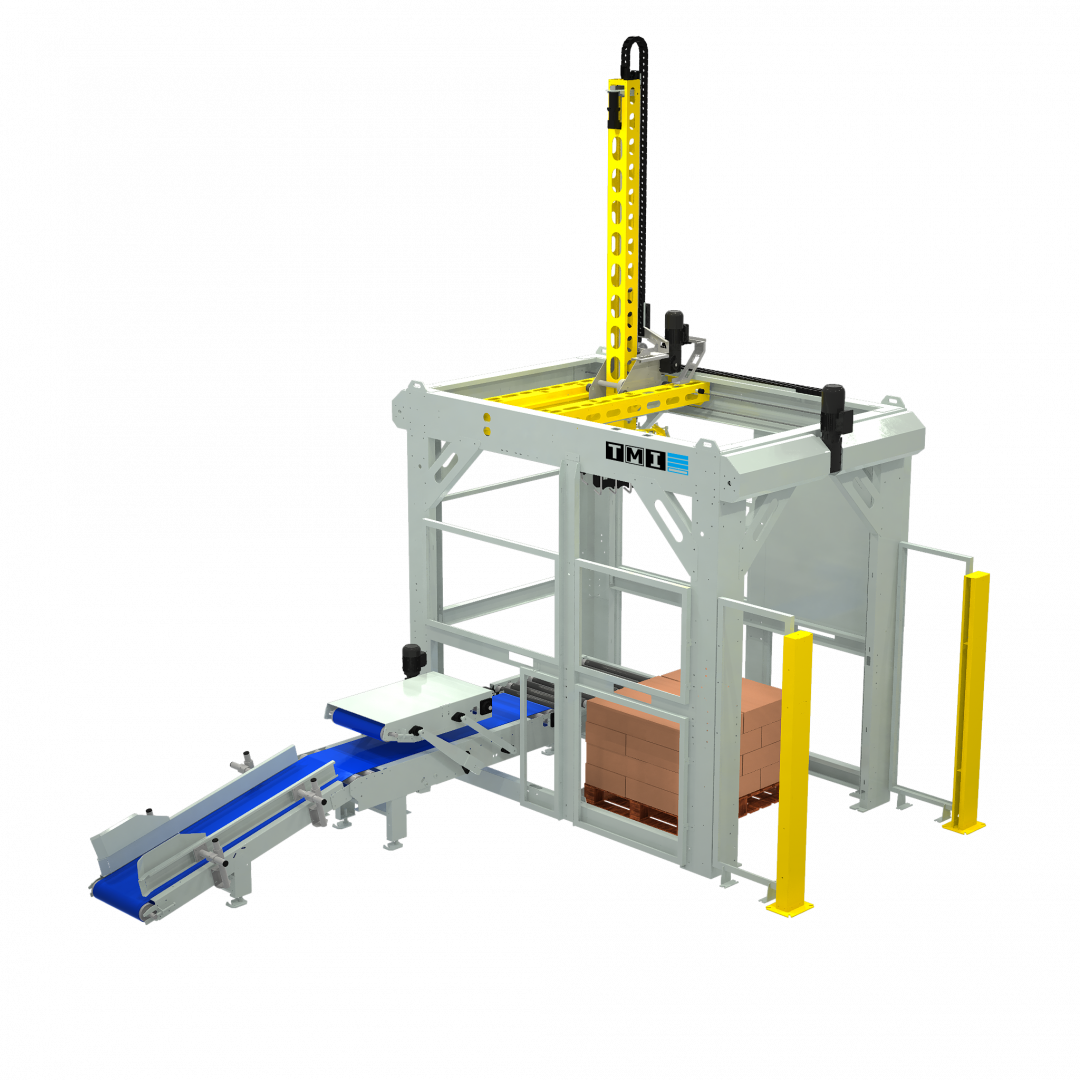
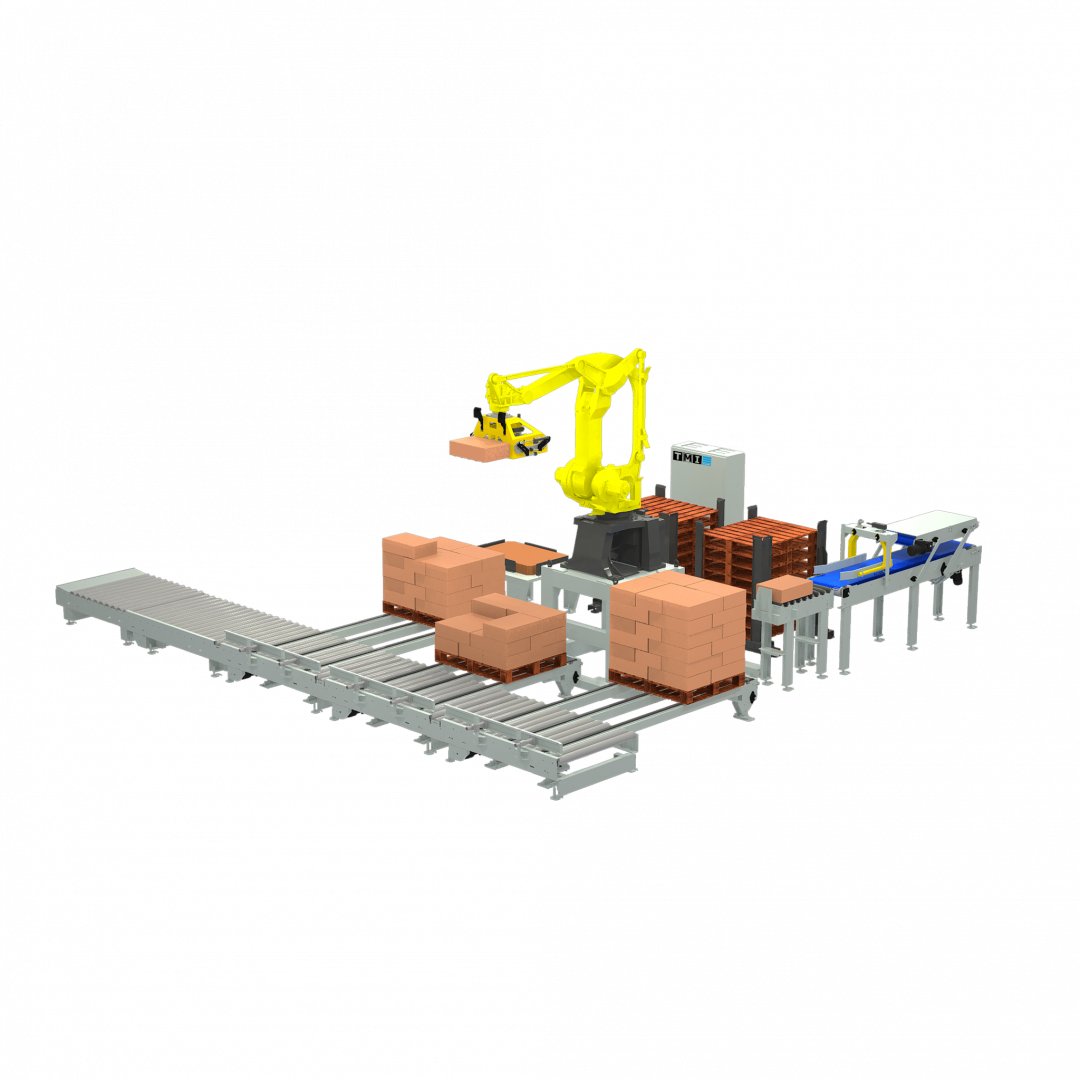
Palletizers with anthropomorphic robot: recommended where space is limited and to be able to serve several simultaneous production lines. They can offer speeds of up to 600 bags/h depending on several factors, such as their level of automation, production lines to be palletized and equipment distribution.
Cartesian type palletizers: recommended for low productions and reduced spaces. Their level of automation is variable.
Benefits of automation: efficiency and connectivity
In addition to reducing physical effort, palletizing automation makes it possible to control and optimize OEE (Overall Equipment Effectiveness), a key indicator of overall line performance.
TMI equipment integrates OEE systems for real-time visualization and communication via OPC-UA, allowing the customer to connect the data with SCADA or plant management systems.
In addition, all solutions include remote connection for diagnosis and immediate support. This guarantees a rapid response to any incident and minimizes downtime (90% of incident resolutions are solved remotely), a critical factor for operational profitability.
And in the event that the intervention of our personnel is necessary for the resolution of the incident, our international network of subsidiaries and distributors allows us to provide local, fast and quality technical service anywhere in the world. anywhere in the world.
Palletizing automation for greater efficiency
Palletizing automation is not simply an end-of-line modernization, but a further step towards more efficient, safe and sustainable production.
The decision of when, how and with which solution to do so must be based on sound technical criteria, actual operating data and a medium- to long-term plant vision.
Jordi Martín, LATAM Sales Manager
At TMI we offer you our engineering team to evaluate your operational scenario and design the most suitable palletizing solution in terms of productivity, reliability and adaptability. If you want us to help you in your palletizing automation project, contact us.
Source: TMI Bagging & Palletizing