Latest content from Packaging

STATEC BINDER: The Specialist for Packaging and Palletizing
Packaging

4+ MIN

STATEC BINDER: The Specialist for Packaging and Palletizing

Foundation and company history   The company was founded in 2008 as a joint venture between two renowned companies, BT Wolfgang Binder and BINDER+CO AG. Both companies had been active in the packaging and processing industry since the 1970s and brought many years of experience and expertise to the partnership. The merger created today's packaging and palletizing specialist STATEC BINDER.   Today, STATEC BINDER has successfully installed over 1900 systems in over 85 countries, which emphasizes its global presence and expertise. The company is continuously expanding its product portfolio, from individual machines to complete solutions for customers from a wide range of industries. Thanks to innovation, teamwork and the pursuit of perfection, STATEC BINDER has always been able to meet the requirements of global markets and various industries.   Product portfolio at a glance   The high-quality machines can be used in a wide range of industries, such as the food and feed industry, petrochemicals, chemicals, agriculture and in the packaging of various minerals and fuels. STATEC BINDER also offers a wide range of machines designed to meet different requirements, especially for the processing and packaging of free-flowing bulk materials or powders.   One highlight of the product portfolio is the FFS (Form-Fill-Seal) packaging machines. This series includes the SYSTEM-T and SYSTEM-F machines, which can process up to 2800 bags per hour. These machines are known for their high flexibility and reliability and enable efficient packaging of tubular or flat film. These machines are frequently used for packaging products in the petrochemical, chemical, animal feed or minerals and fuel industries.   STATEC BINDER also develops a large number of open-mouth bag packaging machines. In this category, the high-performance PRINCIPAC machine is one of the top sellers. The machine fills up to 2000 bags per hour and can process a wide variety of products. Alongside the CERTOPAC and ACROPAC, it is one of the fully automatic packaging systems. The systems helps customers to achieve higher efficiency and productivity while lowering personnel costs. These systems are frequently used in the agriculture, food and feed industries. STATEC BINDER also offers Twin and FFS-Combi variants that maximize both flexibility and output capacity at the same time.   The fully automatic packaging carousel CIRCUPAC was specially developed for the packaging of flour and other powdery products. This machine achieves a throughput of up to 1200 bags per hour and features a continuously rotating carousel with four to six filling spouts.   As an ideal complement to the packaging systems or as stand-alone machines, the palletizers from STATEC BINDER also impress with top performance. With the high-level, portal or robotic palletizer, every customer can find their perfect match for their individual needs. Like the packaging machines, the various palletizers are suitable for a wide variety of industries. Each palletizing systems is individually adapted to customer requirements while maintaining the maximum output capacity. Both the gentle handling of the packages and the optimal appearance of the palletized units are the basis of STATEC BINDER's palletizing technology.   Finally, the BIG BAG filling station from STATEC BINDER complements the product portfolio ideally. The filling station is designed for the safe, low-dust filling of 500 to 1500 kg of product into big bags. In addition, the robust systems enable the highest level of accuracy and precision with a capacity of up to 150 bags per hour.   Tailor-made solutions for individual needs   As mentioned above, one of the biggest advantages of STATEC BINDER is the ability to develop tailor-made solutions for customers. Each project begins with a detailed analysis of customer needs and factory requirements. The experienced STATEC BINDER team works closely with customers to develop the perfectly tailored machines. This has earned the company a reputation for being not just a supplier, but a true partner for years to come.   Quality and customer service   STATEC BINDER attaches great importance to the quality of its products and services. The packaging solutions are manufactured at the location in Austria and are subject to strict quality controls to ensure that they meet the highest standards. The company is ISO 9001 certified, which underlines its commitment to maintaining high quality standards.   In addition to product quality, customer service is another key factor that sets the company apart. STATEC BINDER's customers appreciate the personal advice, individual customer service and comprehensive support. Working closely with customers allows the company to better understand the specific requirements and challenges and to offer customers a complete care package after the purchase of the equipment.   STATEC BINDER stands out for its innovative strength, high-quality products and dedicated customer service. With a strong focus on customer needs, it remains a major player in packaging technology and will continue to shape the industry in the future.
  Source: STATEC BINDER

Extended Producer Responsibility: The New Economics of Packaging
Packaging

4+ MIN

Extended Producer Responsibility: The New Economics of Packaging

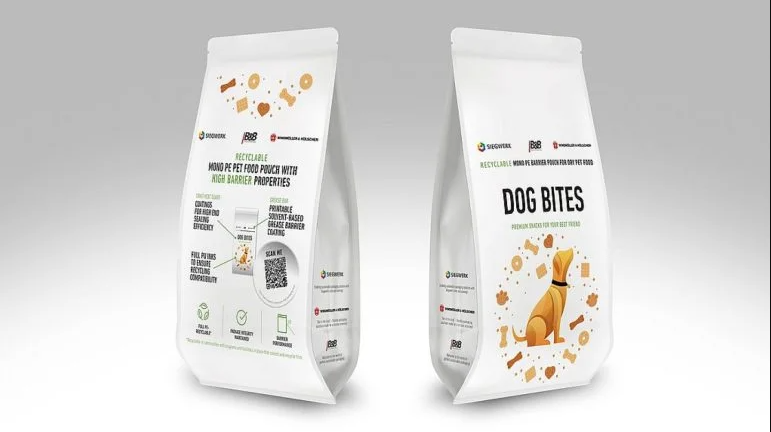
The challenge is that pet food bags, and many other types of flexible plastic packaging, are not accepted in most curbside recycling systems. This conundrum is at the heart of one of the biggest shifts in packaging policy today: Extended Producer Responsibility (EPR).   What is EPR?
EPR laws are designed to shift some of the financial and logistical burden of recycling away from consumers and taxpayers and place it back on the producers (the brands) who sell the products. In essence, if your company sells a packaged product, you should also be responsible for what happens to that packaging after it's used.
  This system has two key goals:
  Fund critical infrastructure: Fees collected through EPR programs are used to fund upgrades to local recycling systems, including the development of new infrastructure for hard-to-recycle materials like plastic films.
  Incentivize sustainable design: The fee structure, known as eco-modulation, is designed to reward brands for using more environmentally-friendly packaging. Packaging that is easier to recycle, contains recycled content, or uses less material will result in a lower EPR fee, shifting the economics to drive positive change.
  While this concept has been standard practice across the European Union for years, it's now gaining significant traction in the U.S. As of August 2025, seven states have enacted packaging EPR laws (California, Colorado, Maine, Maryland, Minnesota, Oregon, and Washington) and more than a dozen states have introduced or are considering similar legislation. For the latest updates, you can refer to resources from the Circular Action Alliance (CAA) or the Sustainable Packaging Coalition (SPC). 
  A Producer Responsibility Organization (PRO) is a third-party entity that serves as a bridge between the states and the brands for EPR, managing compliance, fee collection, reporting, and logistics. Each state can select and appoint their PRO, and to date most states have chosen CAA.    What Should Companies Do Now?
Prioritize First-Year Reporting 
There are significant penalties for non-compliance, as you can be charged back-dated fees with interest. Don't wait to report!
  Determine if you are a 'producer': Most EPR laws offer exemptions for small businesses, typically based on either a revenue threshold or the total weight of packaging put on the market annually. Additionally, a low-volume option may be available for businesses that fall just above the exemption threshold, providing a simpler reporting process. You must confirm your status to know whether you are obligated. If you are a producer, you must register with the relevant PRO.
  Compile your Packaging Data: Once you confirm you are a producer and want to do the full report, you need to collect and report your data. This process typically involves three key steps: Determine supply volumes per state, calculate packaging weights using accepted methodologies, and finalize your report to submit to the PRO.
  Prepare for Eco-Modulation Benefits
The specific eco-modulation structures are still being finalized state-by-state, so it's difficult to definitively know exactly what packaging improvements will lead to minimized fees. However, as the fee structures are finalized and publicly-available, the focus will shift to how to take advantage of them. You should be prepared to consider:
  Using more recycled content. 'Right-sizing' your packaging to use less material. Switching to materials that have better end-of-life outcomes, such as higher recyclability or compostability.   Collaborate With Your Supply Chain
EPR success hinges on collaboration. With fees and eco-modulation data becoming publicly available, it's essential for all players across the supply chain to work together to optimize packaging decisions and drive down costs.
  Brands and Retailers with Private-Label: Prioritize compliance and data reporting. You are ultimately responsible for the packaging you put on the market, and proactive compliance protects you from significant financial and legal risk.
  Packaging Suppliers: Become a strategic partner by educating yourselves and your brand clients on EPR. By proactively offering packaging solutions that reduce EPR fees, you can help your clients minimize their costs and strengthen your business relationship.   Conclusion
The message is clear: packaging responsibility is shifting upstream. The rollout of EPR in the U.S. marks a fundamental change in how we think about packaging. It's a collective effort, and the success of these programs, from funding better infrastructure to driving packaging innovation, depends on the full participation of all stakeholders. By taking a proactive approach, brands can not only ensure compliance and avoid penalties but also position themselves as leaders in a new, more sustainable economy.
  Navigating EPR can be a complex challenge, but you're not alone. As the primary PRO in the US, CAA regularly publishes helpful guidance. The Pet Sustainability Coalition (PSC) also offers direct support, and members receive a discount to rePurpose Global's EPR Compliance platform. Contact PSC to learn more.


Source: Pet Sustainability Coalition

Efficiency, Precision, and Adaptability: Key Factors in Modern Pet Food Packaging
Packaging

3+ MIN

Efficiency, Precision, and Adaptability: Key Factors in Modern Pet Food Packaging

Packaging as a Critical Link in the Value Chain   In pet food production plants, the packaging area faces multiple challenges. It must accommodate a wide variety of presentation formats (ranging from small pouches to large bags), handle products with diverse physical characteristics (textures, particle sizes, oil content, densities), and comply with strict hygiene, safety, and traceability standards.
  Moreover, in highly competitive markets, packaging becomes a key differentiator: the quality of the seal, the clarity of the labeling, and the overall appearance of the bag have a direct impact on consumer experience and brand loyalty.   Common Operational Challenges in Packaging Lines   Some of the most frequent challenges in pet food packaging operations include:
  Weighing errors, which reduce profitability (due to overfilling) or trigger complaints (due to underfilling).
  Lack of flexibility to switch formats without stopping the line or incurring long setup times.
  Speed limitations that compromise the overall plant performance.
  Inconsistent sealing, which can lead to leaks, contamination, or loss of modified atmosphere.
  Poor integration with quality control and traceability systems.
  Addressing these challenges requires a comprehensive approach that considers both the design of the equipment and its integration capabilities within the plant.   Technological Trends in Packaging Equipment   The most relevant advancements in the packaging sector are focused on three main areas:
  1. Smart Automation
Modern systems feature advanced PLC controls, high-precision sensors, and the ability to integrate with MES or SCADA systems. These capabilities allow real-time monitoring of key parameters, such as net weight, production speed, sealing temperature, and residual oxygen levels —enhancing performance and minimizing manual intervention.
  2. Hygienic Design and Simplified Maintenance
With growing concern for food safety, equipment manufacturers have adopted modular structures with smooth surfaces, no residue-accumulating zones, and easy access for cleaning and preventive maintenance. This is especially critical for high-fat or oily products, which are prone to contamination and buildup.
  3. Versatility and Quick Format Changeover
Packaging systems are increasingly designed to handle a variety of bag styles (flat-bottom, resealable zippers, velcro closures, pouring spouts, various widths), adapting to the needs of multi-product lines, which add to their main product other secondary products, such as snacks, freeze-dried items, or even gadgets. These features allow format changes without replacing filling cones, ensuring high operating speeds —especially important for plants producing both their own brands and private labels.     Key Considerations When Selecting a Packaging Solution   Choosing the right packaging system involves more than just evaluating the machine's nominal speed. Other critical factors to consider include:
  Weighing accuracy and consistency, especially for lightweight or heterogeneous products.
  Seal integrity and modified atmosphere capabilities, if extended shelf life is desired.
  User-friendliness and training requirements for operating personnel.
  Energy consumption and overall system efficiency.
  Technical support, spare parts availability, and upgrade potential.
  Each of these aspects directly influences the system's OEE (Overall Equipment Effectiveness), impacting availability, performance, and quality.
  A proper evaluation of these variables —ideally with specialized technical support from the project design phase— can determine whether the result is a robust, productive line or an ongoing bottleneck.   Sustainability and Packaging: A Necessary Convergence   New regulations and growing consumer pressure for sustainable practices are also reshaping packaging processes. Equipment must now be able to work with recyclable films, mono-material solutions, or even compostable materials—without compromising seal integrity or production speed.
  At the same time, reducing product waste, minimizing film scrap, and ensuring energy-efficient operation have become increasingly important factors in capital investment decisions.  
  Conclusion: Packaging as a Strategic Investment   In an environment where efficiency and quality are non-negotiable, a modern, flexible, and reliable packaging solution is no longer a luxury —it's a necessity. Beyond the initial investment, benefits in productivity, raw material savings, and improved consumer experience position packaging as a high-return strategic asset.
  For manufacturers aiming to stay competitive, it is essential to evaluate their current packaging lines and consider improvements that enable them to meet market demands with agility.
  Interested in Optimizing Your Packaging Line?
There are solutions tailored to every need, including equipment specifically designed for the pet food industry. If you'd like to explore your options in more detail, we can help you assess your specific case.

    By: Clivio Solutions 
Source: All Pet Food Magazine

Reliable Packaging & Palletizing of Bulk Materials with STATEC BINDER Machines
Packaging

3+ MIN

Reliable Packaging & Palletizing of Bulk Materials with STATEC BINDER Machines

The customer-oriented company philosophy and the worldwide customer service ensure first-class customer support before, during and after the purchase of a system. Whether free-flowing or powdery products, open-mouth or FFS packaging machines —STATEC BINDER specializes in developing the right solution for each customer. The history of STATEC BINDER goes back to 1978, when the first packaging system of the parent company Binder+Co AG was realized. In 2008, the joint venture was founded under the name STATEC BINDER. Thanks to the continuous optimization and further development of proven technology since then, the company is now one of the leading suppliers in the high-performance packaging industry.   Packaging Systems from STATEC BINDER   The company's product portfolio ranges from packaging systems for open-mouth bags, FFS packaging machines, BIG-BAG filling stations, bag closing systems and scales to palletizing systems for free-flowing bulk goods. Products from a wide range of industries can be processed, such as the petrochemical, chemical, agricultural, food, animal feed, minerals and fuel industry. The proven packaging systems impress with their high efficiency and performance and contribute to greater value retention, cost-effectiveness, and optimization of the customer's packaging process. The systems are also of high quality and reliable; the use of high-quality materials and the possibility of modernizing all machines means that they have a very long service life. During construction, STATEC BINDER focuses on implementing state-of-the-art technology and individual and high-quality all-in-one concepts, which are tailored to the individual product requirements and plant conditions of the various customers.   Perfect Packaging Machines for the Animal Feed and Pet Food Industry   STATEC BINDER packaging machines can efficiently package pet food, animal feed, and feed additives in a wide variety of shapes and consistencies. Whether filling pre-made open-mouth bags in different capacities or a machine that forms and fills the bags from a film roll ¬¬¬—the perfect solution depends on the customer's specific product.
    Advantages of STATEC BINDER packaging systems:   High flexibility: Suitable for different bag materials and sizes.
  Precise dosing: Ensures that each package contains the exact amount of feed. The high-quality packaging machines can easily process a filling weight of 5-50 kg.
  Energy efficiency and productivity: Optimized processes reduce energy consumption. The machines are available in different versions and for various capacities to perfectly match your production expectations.
  Durability: Robust machines and high-quality components made in Austria ensure minimal maintenance requirements.   Automated Palletizing Systems for Safe and Fast Onward Transport   An efficient palletizing process is essential for the safe storage and transport of packaged animal feed and pet food. STATEC BINDER offers both robotic and conventional palletizing systems for this purpose. A prime example is the high-quality, high-level palletizer PRINCIPAL-H, a versatile and powerful system that can be configured for different applications.
  Main features of the STATEC BINDER palletizing systems:
  High stacking quality: For stable and space-saving pallets.
  Speed: Depending on the machine type, the palletizers can process up to 3,000 bags per hour.
  Intelligent control: Simple operation via touchscreens and the option of integration into existing systems.
  Modular design: Depending on customer requirements, STATEC BINDER additionally offers complete solutions with, for example, a stretch hooder or a truck loader system.       Customer Service   In addition to the high-quality and efficient high-performance machines, the packaging specialist is also characterized by its unique, worldwide customer service after the purchase of a system. Complete customer satisfaction is the top priority here. Customers should be able to rely on being well looked after not only before and during the purchase, but also after the delivery of a machine. Customers receive sound advice, a high level of service expertise and support in all areas. STATEC BINDER's global Customer Service team supports them with the highest level of expertise and impresses with many different services, such as spare parts delivery, modernization & optimization of machines, customer training, and much more.
  'STATEC BINDER's philosophy is clear. Even though we primarily deal with packaging and palletizing systems, our aim is to provide our customers with the best possible advice, to find the perfect solution for them and to provide them with the best possible support even after they have purchased the system. This is the only way we can be a strong and reliable partner,' Josef Lorger, Managing Director


Por STATEC BINDER
Source: All Pet Food Magazine

Sustainable Packaging: Innovation and Collaboration for a Greener Future
Packaging

3+ MIN

Sustainable Packaging: Innovation and Collaboration for a Greener Future

At Clivio Solutions, we believe in the importance of synergy between technology and materials to drive positive change in the industry. This is why we organized a coworking space with our partner, Rovema, and one of the world's leading chemical companies. During this meeting, we spoke with Guillermo Navarro, Sales Director for LATAM at Rovema, about how this alliance is driving the evolution of sustainable packaging.
  Innovation in Materials and Technology: A Shared Challenge
Our first question to Guillermo was about the link between Rovema and the company, how the collaboration started, and the key aspects of this joint work:

"They contacted us because they had been working with their converters to develop a more recyclable solution (resin and film) for flexible packaging (bags), which is used in vertical form fill seal (VFFS) machines. The problem arose when they brought the solution and did not work on the customer's machine. Recyclable films have a smaller difference in the fusion points of the layers, which is why they require much more precise technologies to function properly. That's when they suggested including Rovema machines to offer customers a complete solution that includes the film, but also the machine that can process it."
Sustainability and Efficiency: Balancing the Variables
Sustainability in packaging is not just about recyclable materials but also about overall optimization. Guillermo explained how this alliance helps minimize environmental impact without compromising the final product quality:

"Many clients already have goals to reduce plastic in their packaging and make them more recyclable. This presents significant challenges because, like almost everything in the industry, when you move one variable, others are affected; everything is interconnected. By using recyclable film, you might sacrifice the film's protective barrier, mechanical strength, packaging speed, or seal integrity, to name just a few variables. With this alliance, we can work in a multidisciplinary way to maximize all variables to an acceptable point in the market, while also helping our clients achieve their sustainability goals."
Impact on the Pet Food Industry and the End Consumer
The pet food sector has specific packaging requirements, making it even more important to understand the impact of this collaboration on both manufacturers and the end consumer:

"Pet food requires a high barrier in the film (due to fat content), a reliable seal to prevent contamination, strong packaging (due to the weights handled), and excellent product presentation. With this collaboration, we aim to provide customers with all these characteristics, but in easily recyclable packaging."
Conclusion
Sustainability in the packaging industry depends not only on material innovation but also on technological evolution that allows for its proper application. The collaboration between Rovema and one of the world's leading chemical companies represents a major step toward integrating solutions that reduce environmental impact without compromising quality or production efficiency.

At Clivio Solutions, we continue to invest in developing strategic alliances that promote a more sustainable future for the industry. The evolution of sustainable packaging is a shared challenge, and we are committed to being an active part of this change.

Is sustainability a challenge at your plant? Contact us, and let's take the first step together.


By Clivio Solutions
Source: All Pet Food Magazine