


4 min reading
Rob Strathman, Famsun President: “The Companies That Balance Innovation, Scalability and Cost Will Stand Out”
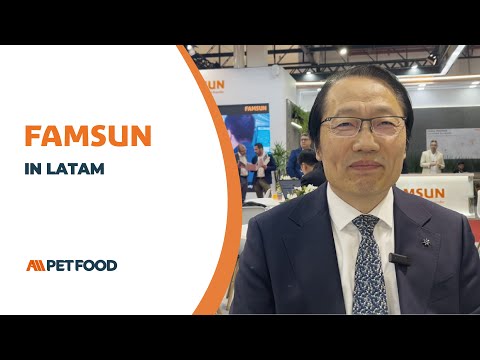
As the pet food industry continues to evolve toward more sophisticated, efficient and technology-driven production models, manufacturers are facing new challenges related to flexibility, traceability and operational performance. In this interview, we spoke with Rob Strathman, President of Famsun USA Design & Engineering, Inc., about his professional journey, the transformation of feed and pet food manufacturing, and the role technology and data-driven systems play in the future of the industry. From extrusion science to factory optimization, Strathman shares his perspective on how producers can adapt to increasingly demanding markets while balancing innovation, scalability and efficiency.
As the pet food industry continues to evolve toward more sophisticated, efficient and technology-driven production models, manufacturers are facing new challenges related to flexibility, traceability and operational performance. In this interview, we spoke with Rob Strathman, President of Famsun USA Design & Engineering, Inc., about his professional journey, the transformation of feed and pet food manufacturing, and the role technology and data-driven systems play in the future of the industry. From extrusion science to factory optimization, Strathman shares his perspective on how producers can adapt to increasingly demanding markets while balancing innovation, scalability and efficiency.
To begin, could you briefly tell us about your professional journey and how you came to your current position within Famsun?
I like to say I got my start pretty early. I grew up on a dairy farm where I was feeding calves when I was 6 or 7, and before long I was running the farm's feed delivery, grinding, and mixing systems. Looking back, I probably had close to 10 years of practical feed milling experience before I ever stepped foot into college.
When I arrived at Kansas State, I didn't have everything figured out, but once I found their Feed Science program, it clicked pretty quickly. Extrusion especially caught my attention. I ended up working in their pilot plant and even teaching parts of a graduate program my senior year, which was a great experience for an undergraduate.
After joining Wenger Mfg., I spent a lot of time on the road commissioning systems. Very early on, I realized that while we knew how to run extrusion systems through trial-and-error, the 'why' behind them wasn't well understood. That pushed me to dig deeper. I eventually stumbled onto a new budding science at the time called glass transition, which was a theory being used to explain how heat and moisture affected physical properties of processed food. It was one of those 'lightbulb' moments for me. Once I started using these ideas, extrusion became much more predictable.

Later on, at Hill's Pet Nutrition, I moved into a factory optimization role. We focused heavily on reducing waste and improving uptime, but what I'm most proud of is helping build a more data-driven factory environment. The combination of good data and continuous improvement dramatically changes how a plant performs. I witnessed factories go from a reactive firefighting mode to a proactive streamlined operations.
From your perspective, what are the main challenges the pet food industry is currently facing in terms of production and plant efficiency?
Improving factory performance remains critical, especially in inflationary periods. The biggest barrier is often a lack of quality data that shows systemic system weaknesses. The kind that are counter intuitive and left hidden behind the noise of a complex process.
Going digital and building a data-driven culture, supported by automation and continuous improvement programs, are key to characterizing inefficiencies, implementing lasting solutions, and sustaining peak factory performance.
The demand for more sophisticated products, such as functional, premium, and highly traceable pet food, continues to grow. How is this impacting plant design and processing technologies?
Marketplace
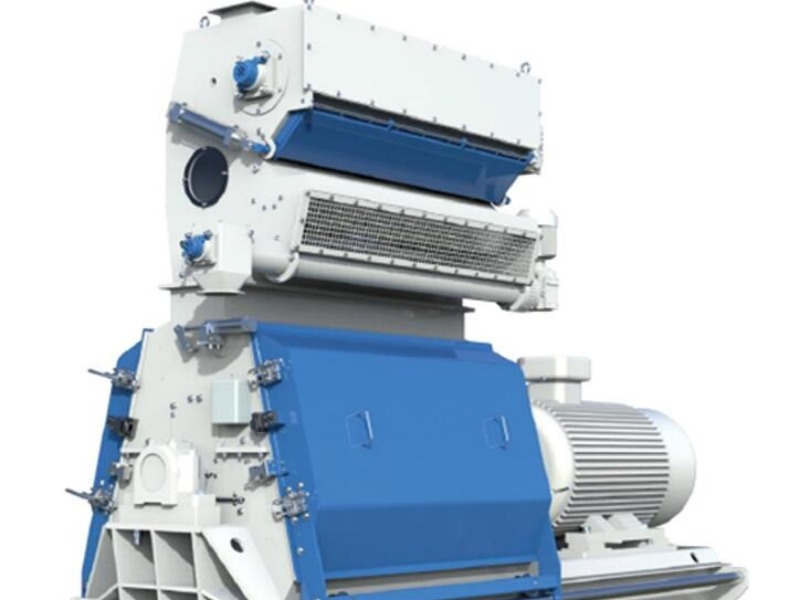
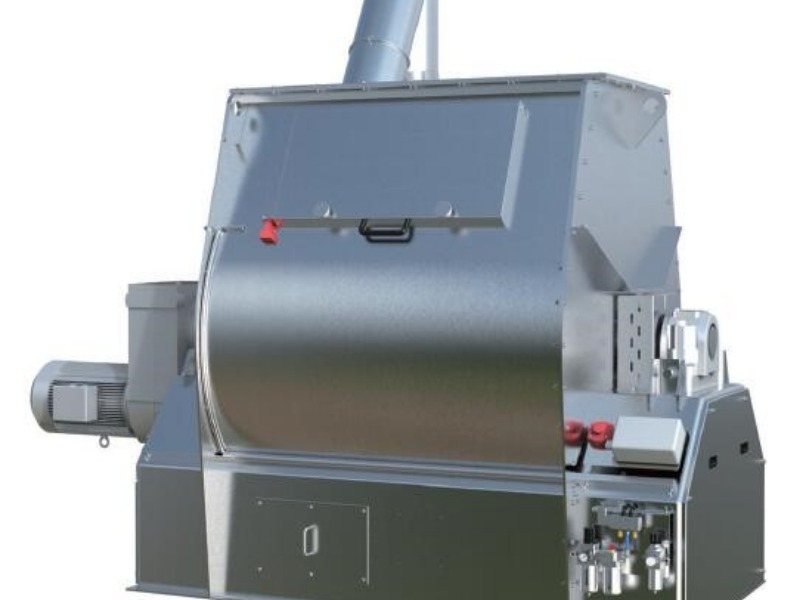
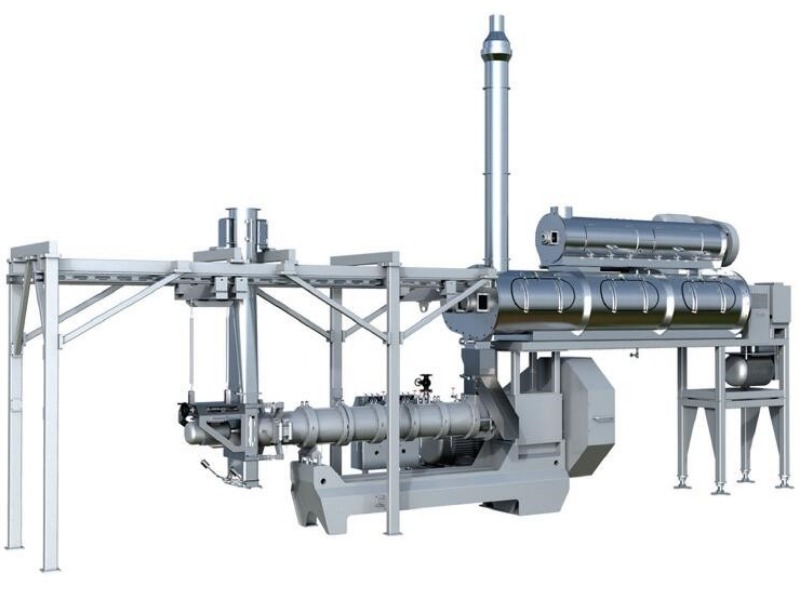
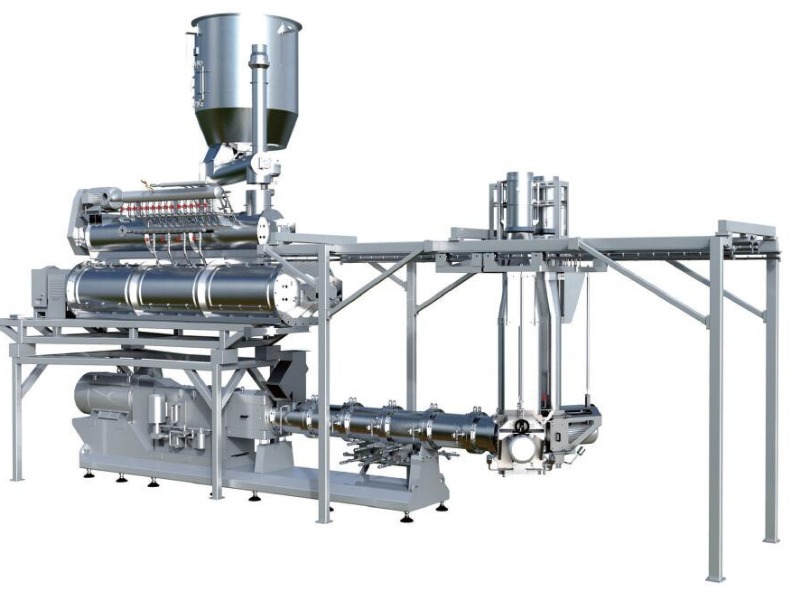
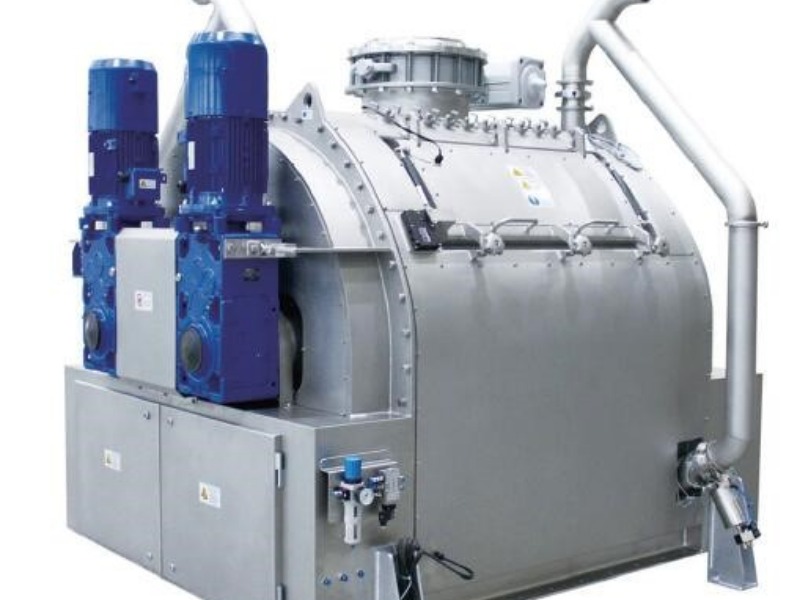
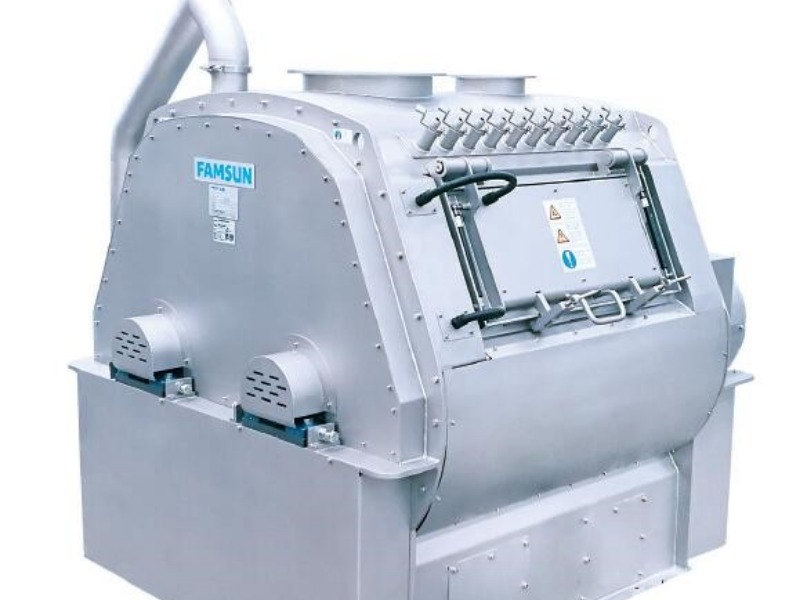
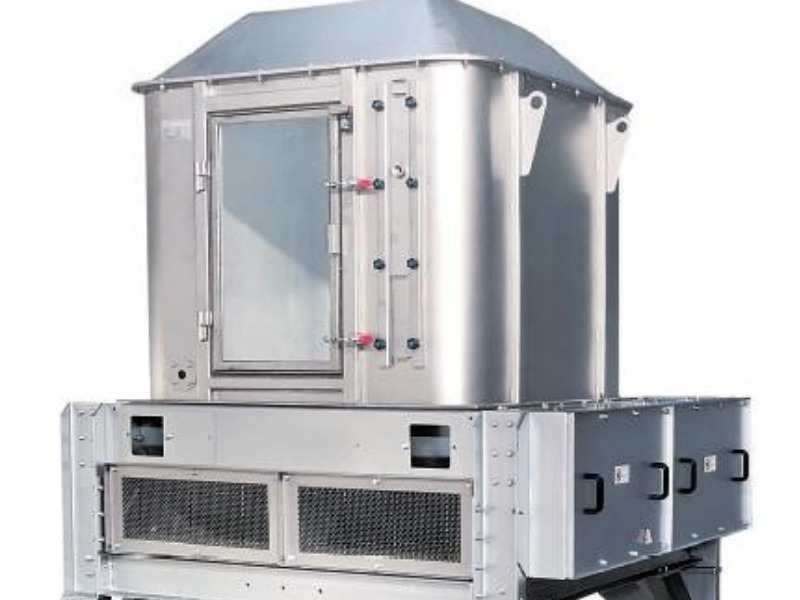
Every consumer wants safe and nutritious products. Food safety, which includes traceability, is paramount in factory, process, and product design. Traceability is a function of the factory control software. Our MOM software is designed with this function deeply embedded.
At the same time, product and ingredient diversification creates challenges in plant design, especially around flexibility and bin space, so systems must be designed with future growth in mind.
In a context of increasing competition and more demanding markets, how can pet food producers differentiate themselves through technology and their production capabilities?
We're seeing a lot of new formats entering the market like freeze-dried, steamed, baked, and others, as companies look for ways to stand out. In many cases, it's the same core nutrition, just delivered in a different form with a different consumer story around it.
That creates opportunity, especially from a marketing standpoint, but it also introduces some real challenges on the production side. Many of these processes are batch-based or lower throughput, which can make them more expensive and harder to scale compared to traditional extrusion.
Where technology really comes into play is in flexibility. Producers that can design systems to handle multiple product types, or adapt to shifting trends, will be in a much better position long term. At the same time, there's still a strong need to maintain efficiency and control costs, especially for high-volume production.
So, in my view, differentiation isn't just about creating something new, it's about finding the right balance between innovation, scalability, and cost. The companies that can do all three well are the ones that will stand out.
Thanks, Rob, for sharing your vision with the All Pet Food Community!
By Rob Strathman
Source: All Pet Food
You could be interested: How to Choose a Pet Food Extruder for Your Pet Food Line

About the company

About the company
Office & Factory

Global Presence

Company introduction
FAMSUN Group Co. Ltd., headquartered in Yangzhou, China, is a global technology partner and the integrated solution provider of plant, equipment, and services in feed manufacturing, grain milling, grain handling and storage, oilseed processing, food processing, steel structure construction, and industrial automation.
FAMSUN has over 2,800 employees, including 900 technicians and engineers. Backed by its strong R&D capabilities, FAMSUN has developed more than 120 series (700 models) of quality feed and grain processing machines and is capable of delivering a wide range of turnkey projects from farm to table and in associated industries.
FAMSUN operates five production sites as well as over 50 agencies, sales & service stations, and spare parts warehouses around the world. FAMSUN has successfully completed over 8,600 referenced projects in more than 140 countries.
Our vision is to provide optimal technology solution and make life better for all. We value innovation, hard work, dedication, integrity, quick response, and team-work.
FAMSUN Pet Food division is committed to machinery research, manufacturing, project engineering, factory construction and integrated solutions in pet food industry, create values for customers. As a leading integrated solution provider in pet food industry, FAMUSN undertakes pet food (dry food, semi-moist, extruded treats) and cat litter turn-key project.
Our corporate leads the market by technology, with experienced elite team and European & USA technical experts, through continuous innovation, to provide customers with professional, safe, systematic extruded pet food production solutions, customized environment-friendly and intelligent factory with high standards, high quality, high efficiency. We won the trust and praise from our partners/customers worldwide.
8,600+ referenced projects in 140+ countries. 50+ agencies, sales & service stations, and spare parts warehouses worldwide closed to customers. Five production bases, one in Egypt and four in China. Total of 74.07 hectares of manufacturing and distribution capacity. 2,800+ employees work in sales, customer service, engineering, R&D, production, and logistics. More than 5% of annual revenue invested in R&D, every year equipment is marked by CE and ATEX sym.

Interviews


Videos



Events

FIGAP 2026
21 to 23 October, 2026
Guadalajara, Jalisco, Mexico
https://figap.com/

Pet Fair South East Asia
28 to 30 October, 2026
Bangkok, Thailand
https://petfair-sea.com/

China International Pet Show (CIPS 2026)
12 to 15 November, 2026
Guangzhou, China
https://en.cipscom.com/

All Pet Food Day
25 November, 2026
Guayaquil, Ecuador
https://allpetfood.net/allpetfoodday2026

IberPet 2027
10 to 12 March, 2027
Madrid, Spain
https://www.ifema.es/en/iberpet

Figan 2027
16 to 19 March, 2027
Zaragoza, Spain
https://www.feriazaragoza.es/en/figan

ZOOMARK 2027
11 to 13 May, 2027
Fair District
https://www.zoomark.it/en/

Pet Fair Asia 2027
18 to 22 August, 2027
Shanghai, China
https://en.petfairasia.com/exhibition/pfa.html

VICTAM 2027
14 to 16 September, 2027
São Paulo, Brazil
https://victamlatam.com/en-us/
Advertising
